

A hidden gem…Grand Canyon Of India
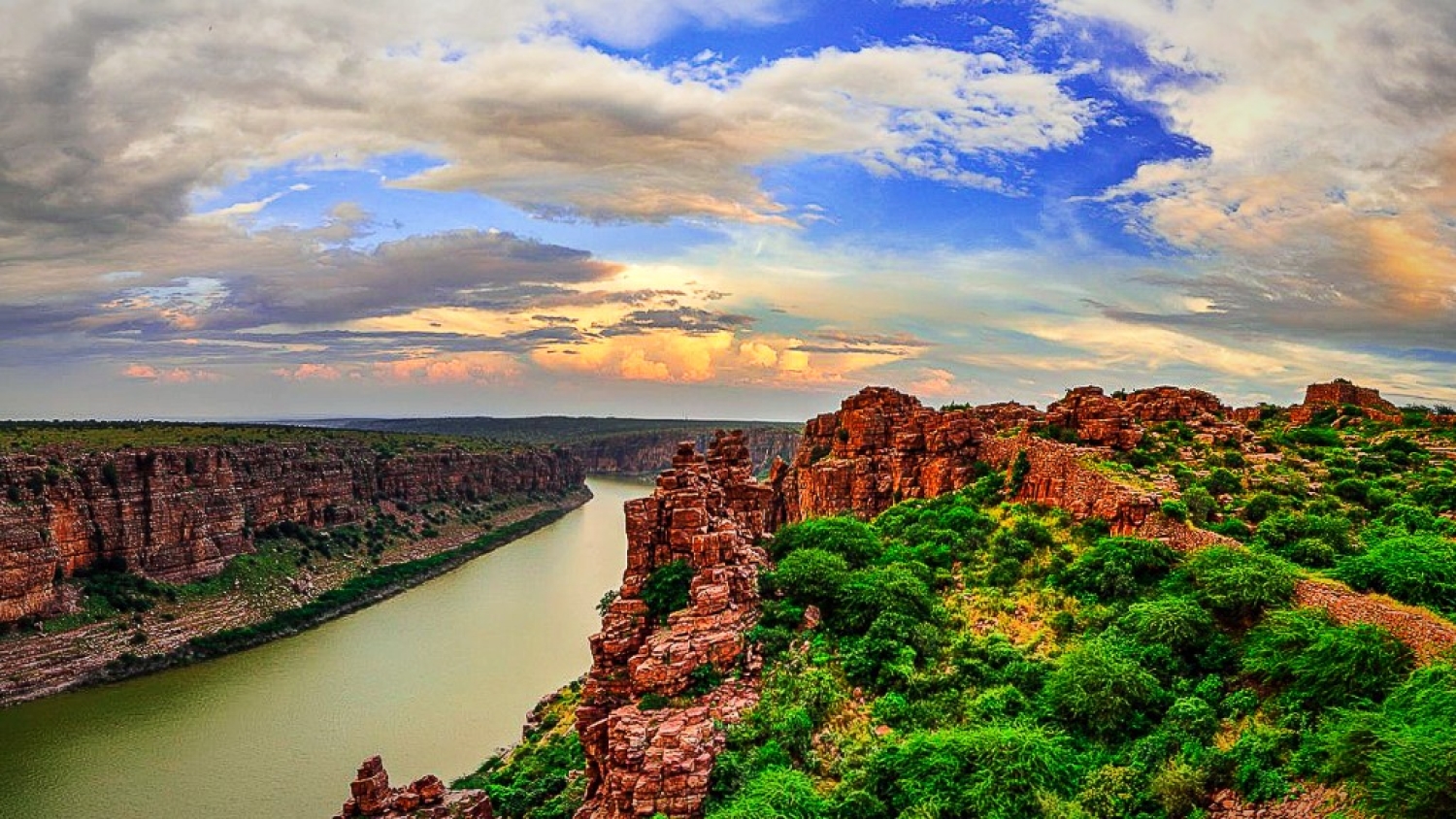
Okay so I’ll be honest — I hadn’t heard of Gandikota either until someone mentioned it almost in passing and I thought, how has a place this stunning stayed this quiet? Most people you ask — even well-travelled Indians — give you a blank look when you say the name. And that, honestly, is exactly why you need to go. Before the crowds figure it out.
Standing at the edge of the gorge looking down at the Pennar river cutting through those deep granite walls, I remember thinking — this is India. This is the version of this country that never ends up on tourism posters but absolutely should. The medieval fort right behind you, the dramatic gorge in front, the silence — it’s one of those rare places that actually lives up to the hype it doesn’t even know it has.
Read Travel Blogs of North East India
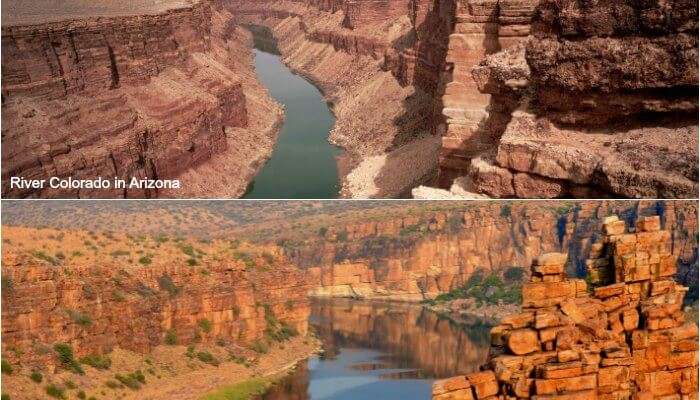
In India we do not witness gorge formations, thus it is also called as the Indian version of the grand canyon or desi grand canyon. As an avid traveller, I shall refrain myself of not comparing the two as it will not be a justice to these different destinations in the world.
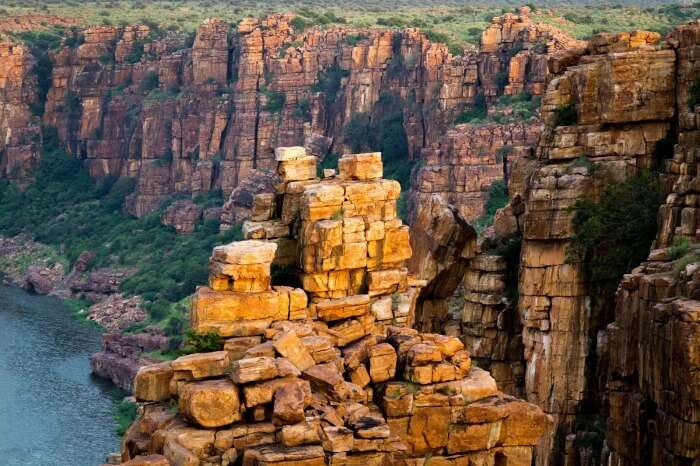
So, let us know more about Gandikota Gorge formations or Gandikota Canyon:
It is a quaint and very simple village in the Kadapa district of Andhra Pradesh. It is known for its panoramic gorge formed by river Pennar that pierces through the Erramala hills. This impressive piece of Nature’s design has come to be known as the Hidden Grand Canyon of India by the tourists and travellers who visit this place and get beguiled by its beauty. Thus they tend to compare the Grand Canyon in Arizona.
The Gandikota Fort — Don’t Just Look at the Gorge
I think most visitors get so caught up in the gorge — understandably — that they spend barely twenty minutes inside the fort. And that’s a real shame because the fort is genuinely fascinating on its own terms.
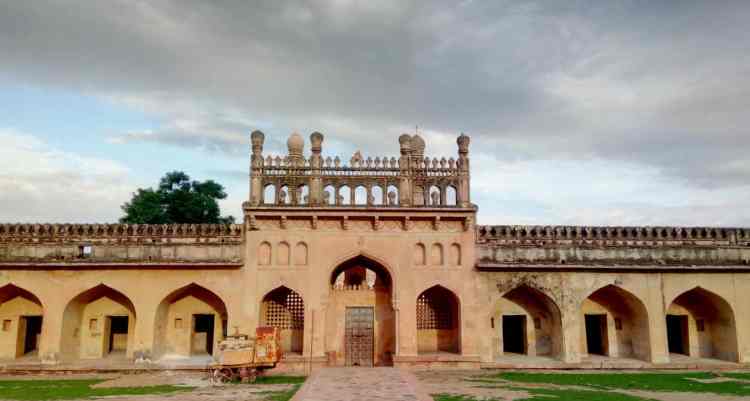
Gandikota Fort dates back to the 13th century and the name itself comes from the Telugu word “Gandi” meaning gorge — literally, the fort on the gorge. Different dynasties ruled here over the centuries — the Kamma chiefs, the Vijayanagara Empire, and later the Nawabs of Cuddapah. You can feel that layered history when you walk through it. The Madhavaraya Temple and Raghunathaswamy Temple inside the complex are beautifully preserved. The Jamia Masjid within the fort walls is one of those examples of different architectural traditions coexisting quietly — which I always find more interesting than any single monument standing alone.
Walk through slowly. Don’t rush it for the Instagram shot at the gorge edge. The fort will give you more than you expect if you give it time.
Camping at Gandikota — This Is the Real Reason to Go
If you can do only one thing here, let it be camping. Waking up at sunrise with the gorge right in front of you, that first light hitting the granite walls, the river below going from shadow to gold — I don’t have better words for it except that it’s the kind of morning that makes you remember why you travel in the first place.
APTDC has a complex spread across 12 acres where you can book a cottage. There are also private camping operators who set up tents right at the gorge edge. Book in advance, especially for weekends — Bangalore and Hyderabad weekenders have figured this one out and spots go fast.
What to do when in Gandikota
Sitting on the banks of Pennar river and enjoying breathtaking views you can’t even think how the river must have broken the cuts and formed this stunning gorge. It is believed that the river has cut the slabs over centuries now. This is beautiful to imagine how the flow of water got intruded by the river and has formed the gorge. The entire area is covered with deep dense valleys and huge granite boulders.
Going back to history – Geologists says that it has an important role to play in the history of Andhra Pradesh. Geologist P.D. Sabale studies and explains how it was formed. The River Pennar cuts the pink granite and makes abed rock here. Cutting the ingenious, acidic and hard compact mass of granite the natural decomposition of the rock took place.
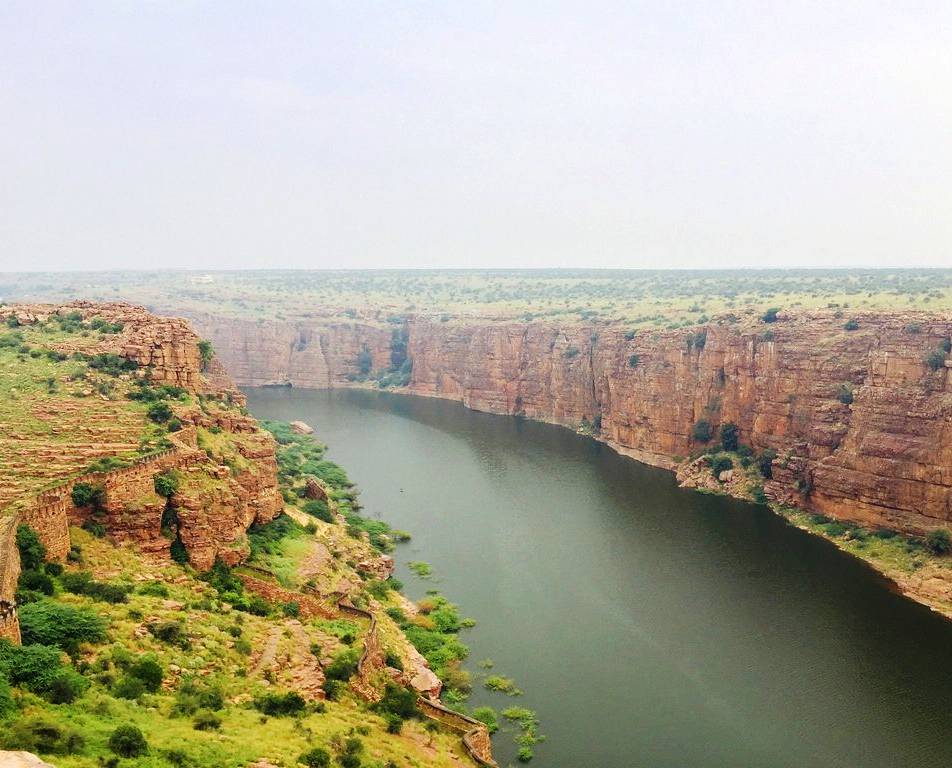
Adjoining the formations is the medieval fort which speaks history in itself. The fort Gandikota is named from a Telugu word Gandi which means gorge. This fort holds a fort and a temple. Once you visit you will get mesmerized with the ancient architecture. You may find the debris scattered of the ruins of temples and mosque dating back from the Qutub Shahi and Vijayanagara periods.
Other spots to visit in Gandikota are – Madhavaraya temple and Raghunathaswamy temple, Jamia Masjid of Gandikota fort, Rayalacheruvu Lake, enthralling interiors of Belum Caves, you can also do camping and other water activities.
How To Actually Get There
Getting to Gandikota is easier than most people assume.
The nearest railway junction is Gooty, which has good connections from Bangalore, Hyderabad and Chennai. From Gooty, hire a cab — it’s about an hour and a half to the gorge. By road from Bangalore it’s roughly 320 km, around 5 to 6 hours depending on traffic. From Hyderabad it’s about 370 km. The nearest town is Jammalamadugu, around 15 km from the gorge itself, and that’s where you’ll want to stock up on snacks, water and cash before heading in.
The nearest airport is Kadapa, about 77 km away. Most people flying in will find it more practical to fly to Bangalore or Hyderabad and drive from there.
A Few Things Worth Knowing Before You Go
The best time to visit is September to February. The weather is comfortable, the landscape is at its most dramatic after the monsoon, and the light for photography is extraordinary. Summers here are genuinely brutal — 45 to 50 degrees is not unusual — so avoid March through June unless you enjoy being slow-cooked.
Food options near the fort and gorge are very limited. There are a couple of small dhabas near the APTDC complex but don’t count on them being open or stocked. Eat before you arrive or carry proper snacks — this is not the place to rely on finding something along the way.
Carry cash. No ATMs near the gorge. Sort your money in Jammalamadugu or before you leave the main highway.
And one last thing — go at sunrise or stay for sunset. The light at the gorge at those two times of day is extraordinary. If you’re camping, set an alarm. That early morning silence at the edge of the gorge, before anyone else is awake — that’s the version of Gandikota that will stay with you.
Lodging: APTDC Complex – it is spread at 12 acres, you can book a cottage and has an area for kids to play. For more hotels click here
Best Time: between September to February as the weather is suitable and enjoyable, else the summers are like 45-50 degrees.
Tip: there are not many food joints near the fort and temples, thus either take some munching with you or keep your stomach fill before you start your day. Carry some candies and lots of water.
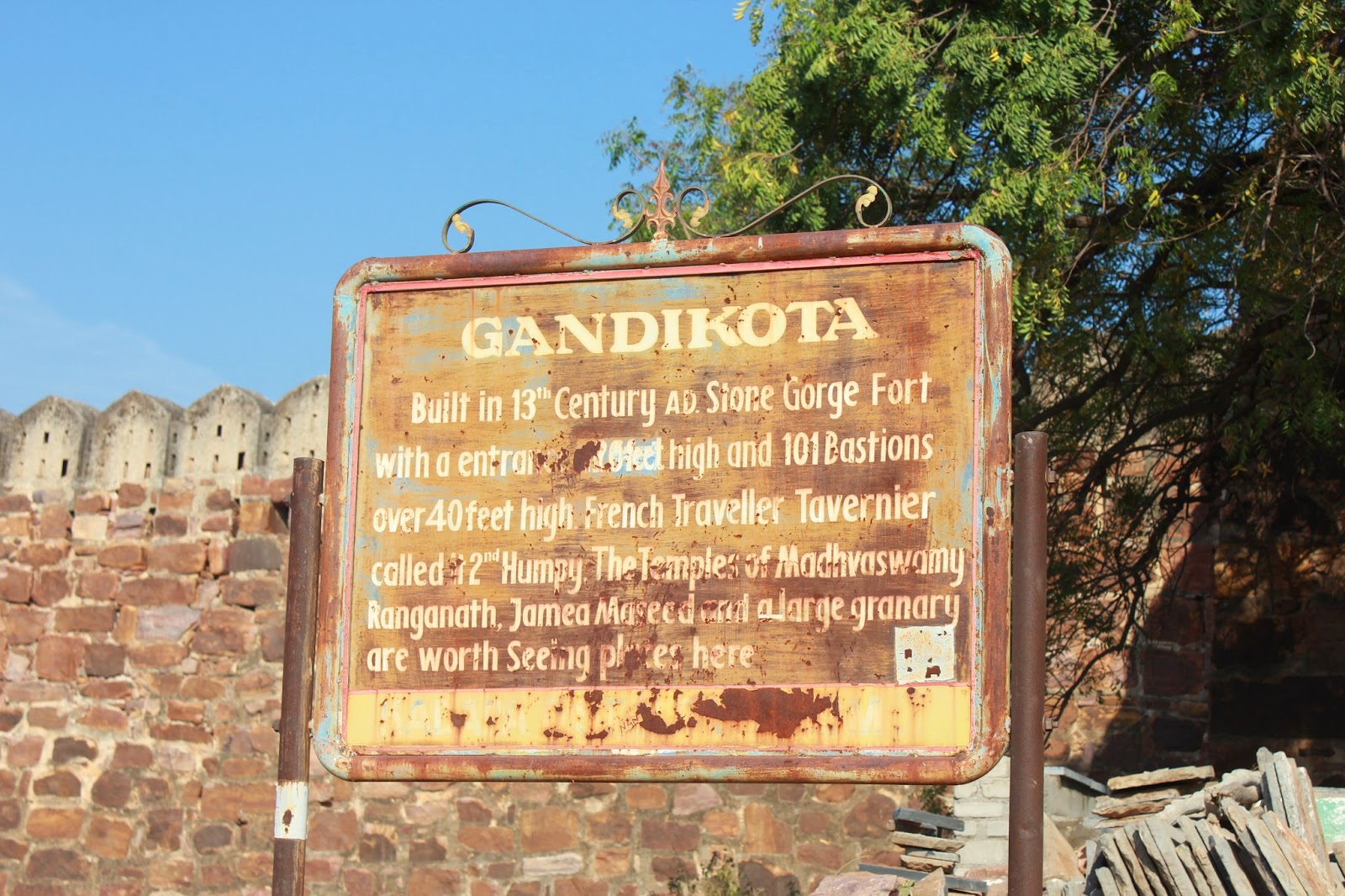
There are numerous other attractions in and near the village that charm visitors. The most special being the antiquated, radiant Gandikota fort that sits wonderfully on top of the gorge. Apart from the unmatched majesty of the gorge, the mystical appeal of this fort makes a visit to this village all the more compelling for history lovers and adventure seekers. For more such travel blogs and stories, head on here – Facebook, Instagram, or just scroll more…
Gandikota asks a little more of you than your average weekend trip — a longer drive, a bit of planning, no fancy restaurants waiting at the end of it. But what it gives back is completely worth it. One of India’s most dramatic landscapes, almost no crowds, and the kind of stillness that’s getting harder and harder to find.
Go. It’s one of those places you’ll talk about for years.
Very nice your blog.Very helpful to trip.
This is incredible – glad to see your text