

Originally published August 2017. Updated April 2026 with complete trek guide, how to reach, topography details, trek packing list and FAQs.
Before I tell you what happened the day we boarded the wrong train and accidentally made this trek better, here is everything you need to know at a glance.
| Trek Facts | Details |
|---|---|
| Peak elevation | 1,532 metres — third highest in the Sahyadri range |
| Trek distance | Approximately 6 km (Shirpunje to summit, return) |
| Difficulty | Moderate to challenging — vertical ladder section at Bhairavgad is the crux |
| Base village | Shirpunje (reached via Rajur from Kasara) |
| Nearest station | Kasara on the Mumbai–Nashik Central Railway line |
| Best season | October to February. Monsoon (June–September) is scenic but the ladder gets slippery. |
| Water on route | NONE after Shirpunje. Carry minimum 2 litres per person. |
| Trek time | 5–6 hours return from Shirpunje |
Ghanchakkar is the third highest peak in the Sahyadri range, sitting at 1,532 metres above sea level in the Nashik district of Maharashtra. It is not the most famous Sahyadri trek. It is not the easiest to reach. And the Bhairavgad Ghanchakkar route — the one most trekkers take — involves a near-vertical iron ladder section that has earned Bhairavgad its reputation as home to the longest ladder in Maharashtra trekking.
I first came here in the monsoon of 2017 with a group of 24 people, a wrong train, a jeep driver who took a scenic route we had not asked for, and absolutely no idea that this would become one of the treks I tell people about most often. Seven years later I am writing this as a guide rather than a story — because the questions I get about it are practical ones, and the original post I wrote did not answer them. This is the guide I wish had existed in 2017.
“Ghanchakkar does not announce itself like Kalsubai does. It earns you slowly — first the plateau walk, then the ridge, then the ladder, then the summit, and then the view that makes you understand why you came.” — Shivi Goyal
Why the Bhairavgad Ghanchakkar Trek Is Worth the Effort
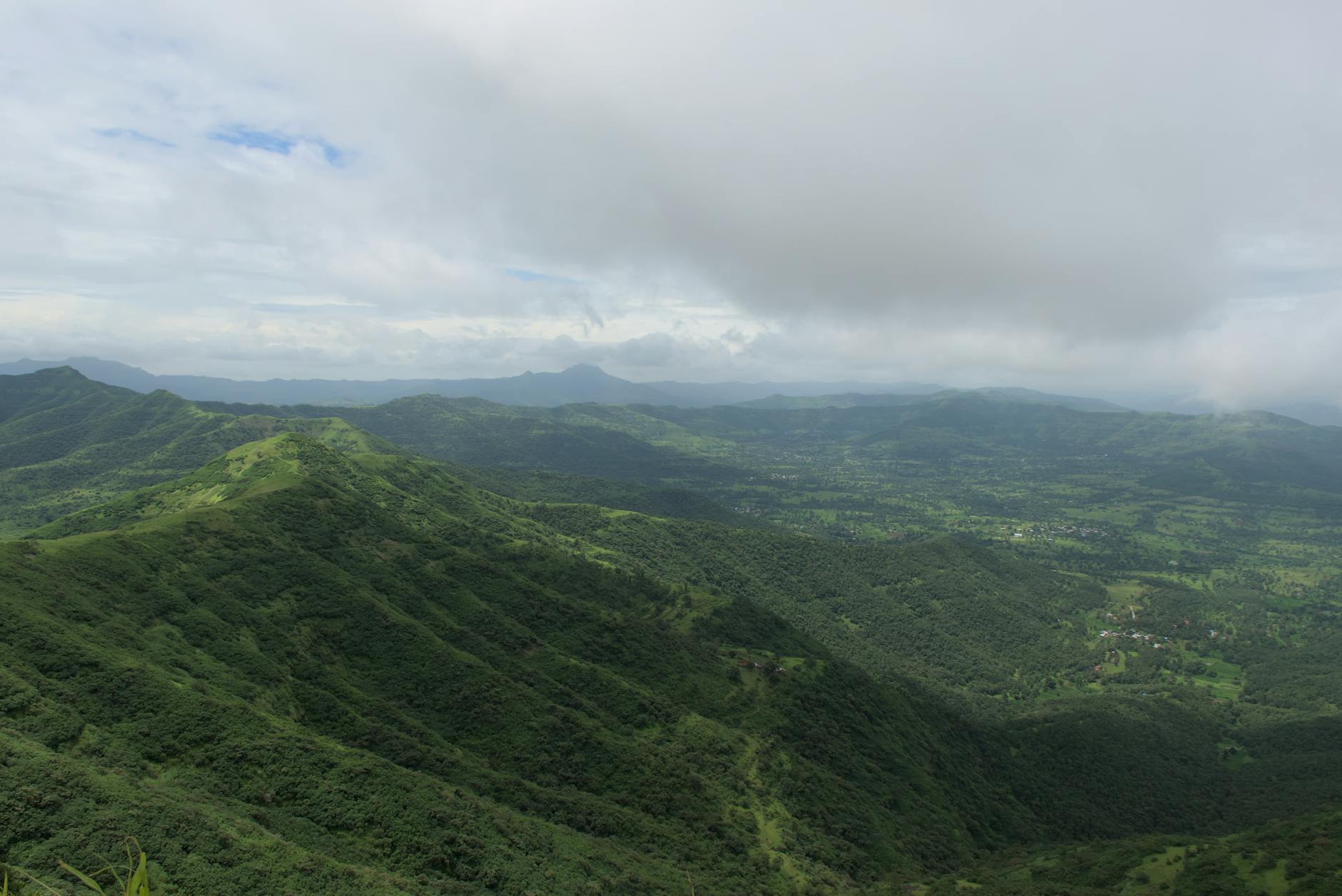
There are easier Sahyadri treks. There are more famous ones. Kalsubai is higher and better signposted. Harishchandragad is more dramatic and more storied. But the Bhairavgad Ghanchakkar combination has something that neither of those has: the ladder.
Bhairavgad’s iron ladder — fixed into a near-vertical rock face at the start of the summit push — is what most trekking operators now call the longest ladder trek in Maharashtra. It is not technically difficult the way a rock climb is technically difficult. But it is exposed, it is committing, and it demands your full attention in a way that a trail walk does not. The people in my group who said they did not like heights before we started said something very different after they had climbed it.
Beyond the ladder, the route has everything a good Sahyadri trek should: a plateau walk through a working farming village, a ridge approach with views in three directions, a summit that on a clear day shows you Kalsubai to the north and Muda to the east (Muda at 1,520 metres is considered the fourth highest peak in Maharashtra), and a descent through forest that is, in monsoon, extraordinarily green.
It is also one of the few treks where the base village — Shirpunje — has a genuine local character that has not been entirely consumed by trekking tourism. When we were there, an older woman from the village cooked us rice and dal after the trek. I have had more expensive meals that I remember less clearly.
How to Reach Ghanchakkar: From Mumbai, Pune and Beyond
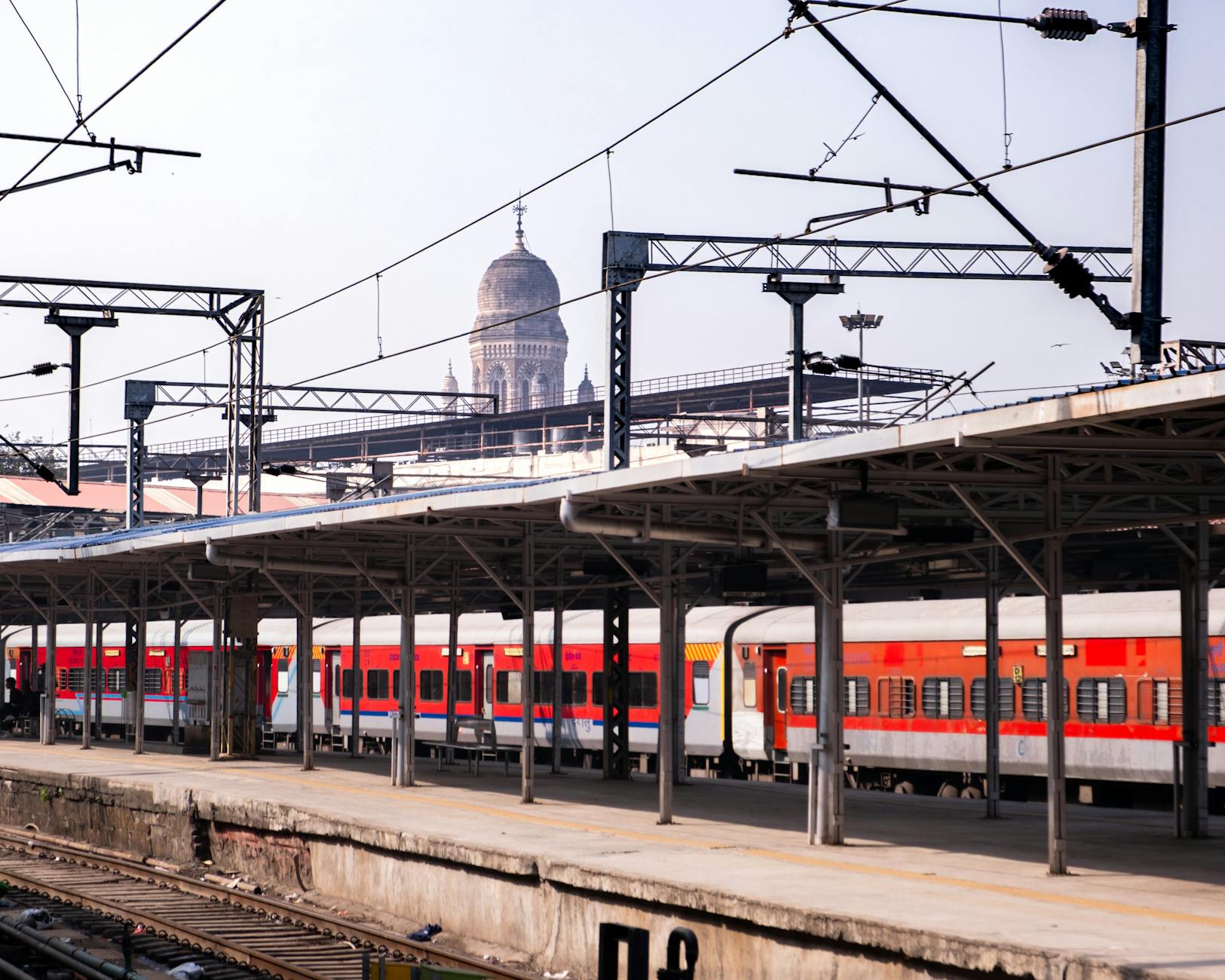
From Mumbai — By Train (Recommended)
Take a CST–Igatpuri or CST–Nasik Road train from Chhatrapati Shivaji Maharaj Terminus on the Central Railway line. Alight at Kasara. Trains run from approximately 5:30 am onwards — the early departures get you to Kasara in time to begin the trek before the sun is high.
From Kasara, hire a shared or private jeep to Rajur village (approximately 30 km, 1 hour). From Rajur, a shorter jeep or walking path takes you to Shirpunje, the trek base. Ask locally — the Rajur-Shirpunje connection changes seasonally and local drivers know the current status.
Important note from our 2017 trip: we boarded the wrong train and ended up at a different station. It cost us 90 minutes and produced our best story from the trip. Board the right train.
From Mumbai — By Road
Drive on NH-160 (Mumbai-Nashik Highway) to Kasara Ghat. From there follow signs towards Rajur. Total distance approximately 130 km from Mumbai, journey time 2.5–3 hours depending on traffic. Parking is available near Shirpunje village.
From Pune
Drive approximately 170 km via Nashik Road or take a Nashik-bound bus to Igatpuri and arrange a jeep from there to Rajur. The bus option adds time but is cheaper and lets someone else handle the ghat road. Budget 4 hours total from Pune.
From Nashik
Nashik is the closest major city — approximately 80 km from Shirpunje via Igatpuri. Hire a private vehicle or take a local bus towards Kasara and arrange a jeep from Rajur.
The Bhairavgad Ghanchakkar Trek Route: What to Expect Step by Step
Most organised groups begin at Shirpunje village, which sits at approximately 700 metres. The route rises steadily through farming terraces and light forest before reaching the base of Bhairavgad — the first summit on the route, at around 1,200 metres — where the ladder section begins.
| Stage | What Happens Here |
|---|---|
| Shirpunje village (start) | Register with locals if trekking independently. Fill water here — this is the last reliable source. |
| Trail to Bhairavgad base (1–1.5 hrs) | Steady climb through forest and open ridgeline. Views begin opening up towards Kalsubai range on clear days. |
| Bhairavgad iron ladder (the crux) | Near-vertical iron ladder fixed to rock face. Takes 15–25 minutes per group depending on size. Wait your turn — the ladder is single-file. |
| Bhairavgad summit (approx 1,200m) | Brief flat section with views. This is where slower trekkers can choose to stop. |
| Ridge walk to Ghanchakkar (45–60 mins) | Open ridge with exposure on both sides. The path is clear but requires attention in mist or rain. |
| Ghanchakkar summit (1,532m) | Third highest Sahyadri peak. Views of Kalsubai (north), Muda (east), Harishchandragad plateau (south-east) on clear days. |
| Descent (2–2.5 hrs) | Same route down. The ladder on descent requires more care than the ascent — do not rush. |
| ⚠️ WATER WARNING — Carry Minimum 2 Litres Per Person From Shirpunje There is no reliable water source on the Bhairavgad Ghanchakkar route after Shirpunje village. In our group of 24, two people ran out of water on the descent and had to share. In monsoon this is uncomfortable; in the dry season it can be genuinely dangerous. Fill every bottle and hydration pack at Shirpunje before starting. |
|---|
The Bhairavgad Ladder: Maharashtra’s Longest Ladder Trek Explained
The phrase ‘longest ladder trek in Maharashtra’ appears in the marketing of most Ghanchakkar trek operators, and it is worth understanding what it actually means before you decide whether this trek is for you. The iron ladder at Bhairavgad is not a single continuous ladder but a series of iron rungs and short ladder sections fixed to a near-vertical rock face over roughly 30–40 metres of vertical gain. The exposure — the sense of height and the drop below — is significant. The technical difficulty is not. You do not need climbing experience or special equipment. You need to be comfortable with heights and willing to commit to each rung.
The topographical understanding
In dry conditions this section takes most people 10–15 minutes. In monsoon, with wet rock and potentially wet gloves, it takes longer and requires more care. Descending the ladder is trickier than ascending — on descent you cannot see where your feet are going as easily. Take your time. For anyone in your group who is genuinely uncomfortable with heights: Bhairavgad summit (before the ladder) is itself a satisfying destination. There is no shame in stopping there. The view from Bhairavgad is good. The view from Ghanchakkar is better — but it requires the ladder.
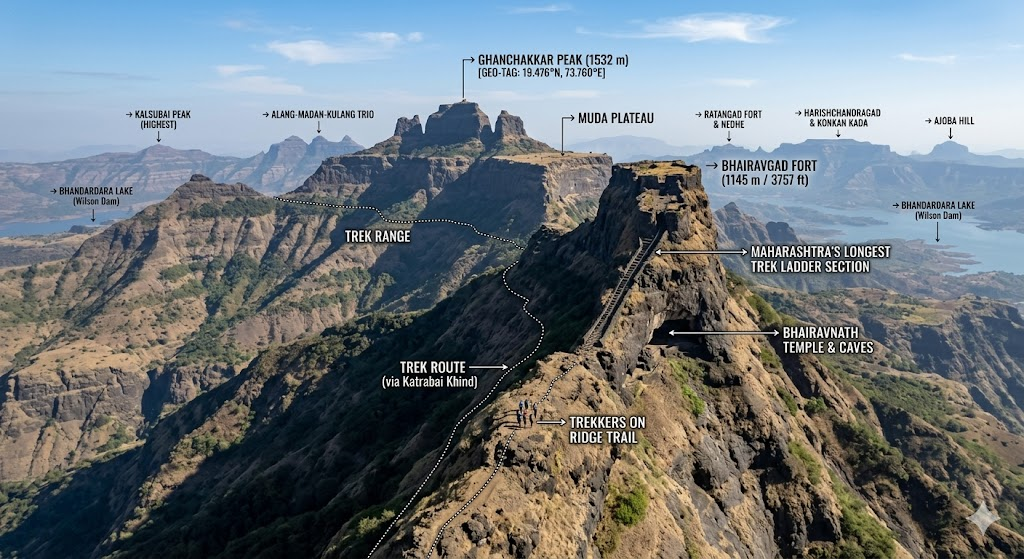
The ladder is the reason people remember this trek. Not the summit statistics. Not the distance. The 30 metres of rock face where you have nothing to hold onto except the iron rungs and your nerve.— Shivi Goyal
Ghanchakkar vs Other Sahyadri Treks: How It Compares
| Trek | Elevation | Distance | Difficulty | Signature Feature |
|---|---|---|---|---|
| Ghanchakkar | 1,532m (3rd highest Sahyadri) | ~6 km return | Moderate-Challenging | Bhairavgad ladder, remote feel |
| Kalsubai | 1,646m (highest Maharashtra) | ~6 km return | Moderate | Iron stairs entire route, crowd on weekends |
| Harishchandragad | 1,424m | 12–20 km (loop) | Challenging | Konkan Kada cliff, temple cave, longer commitment |
| Ratangad | 1,297m | ~8 km return | Easy-Moderate | Needles rock formation, cave temple, beginner-friendly |
The honest comparison: Kalsubai is easier to reach and more famous – if you want to say you have stood on the highest point in Maharashtra, go to Kalsubai. If you want a trek that feels like it belongs to you rather than to a group tour, come to Ghanchakkar.
Ghanchakkar in Monsoon: Worth It or Too Risky?
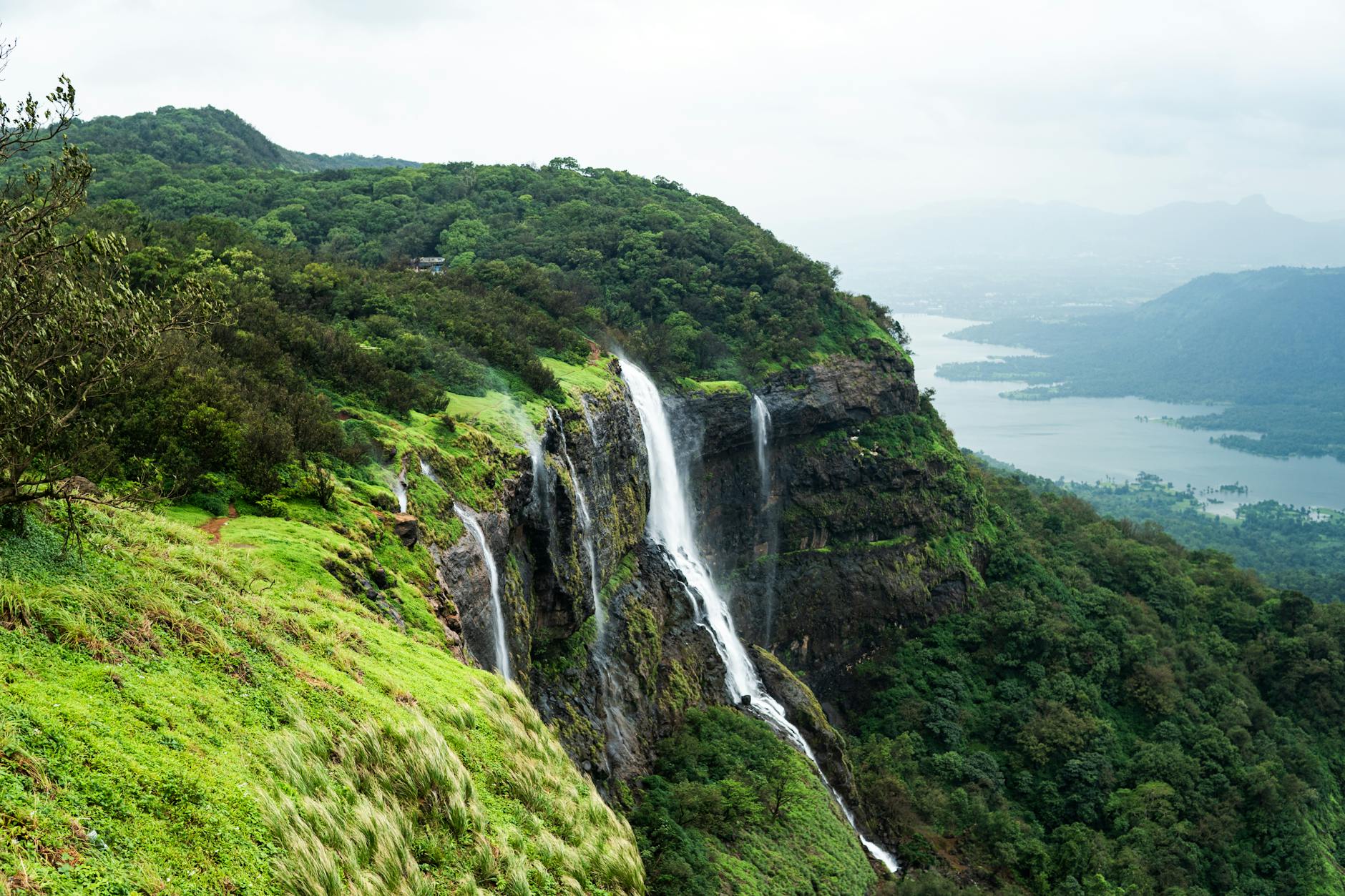
The Sahyadri in monsoon is one of the great visual experiences of Maharashtra. The grass is violent green. The waterfalls appear from nowhere. The mist moves across the ridges in the kind of way that makes you feel like you are inside a painting that someone is still making. Ghanchakkar in monsoon is beautiful in a way that the dry season version is not.
The caveats are practical. The Bhairavgad ladder becomes genuinely treacherous when wet — iron rungs with no grip require slow, careful movement and ideally trekking gloves. The trail after Bhairavgad becomes muddy and loose in heavy rain. The summit is frequently cloud-covered from July to August, which means you may reach 1,532 metres and see nothing except the inside of a cloud.
My recommendation: monsoon is fine for experienced trekkers who are comfortable on wet rock. For first-time trekkers, especially those doing their first ladder section, post-monsoon (October–November) gives you the green landscape minus the slippery ladder. Best of both worlds.
Ghanchakkar Trek Packing List
Essentials — Do Not Leave Without These
- Water — minimum 2 litres per person, ideally 3 in summer. No refill points on the route.
- Trekking shoes with grip — sneakers will manage in dry conditions but will let you down on the ladder and the descent.
- Rainwear if trekking July–September — a lightweight poncho or waterproof jacket. The rain arrives fast.
- Headlamp — if you are doing an early morning start or extending the trek towards evening.
- Snacks and lunch — there are no food stalls on the route. Carry energy bars, dry fruits, roti or sandwiches from base.
Strongly Recommended
- Trekking gloves — essential for the Bhairavgad ladder in any season, especially monsoon.
- Trekking poles — useful on the descent, especially for anyone with knee issues.
- First aid kit — basic kit with blister treatment, bandages and ORS sachets.
- Sunscreen and hat — the ridge section is fully exposed in the dry season.
- Power bank — the trek is long enough that your phone battery will need support if you are using GPS.
Leave This at Home
- Heavy backpack — you are carrying everything on your back up a ladder. Pack light.
- Cotton clothing — cotton holds sweat and rain and makes you cold on the ridge. Synthetic or quick-dry fabrics only.
- Sandals or chappals — not appropriate for this terrain at any point.
Our 2017 Ghanchakkar Trek: The Wrong Train, the Right Mountain
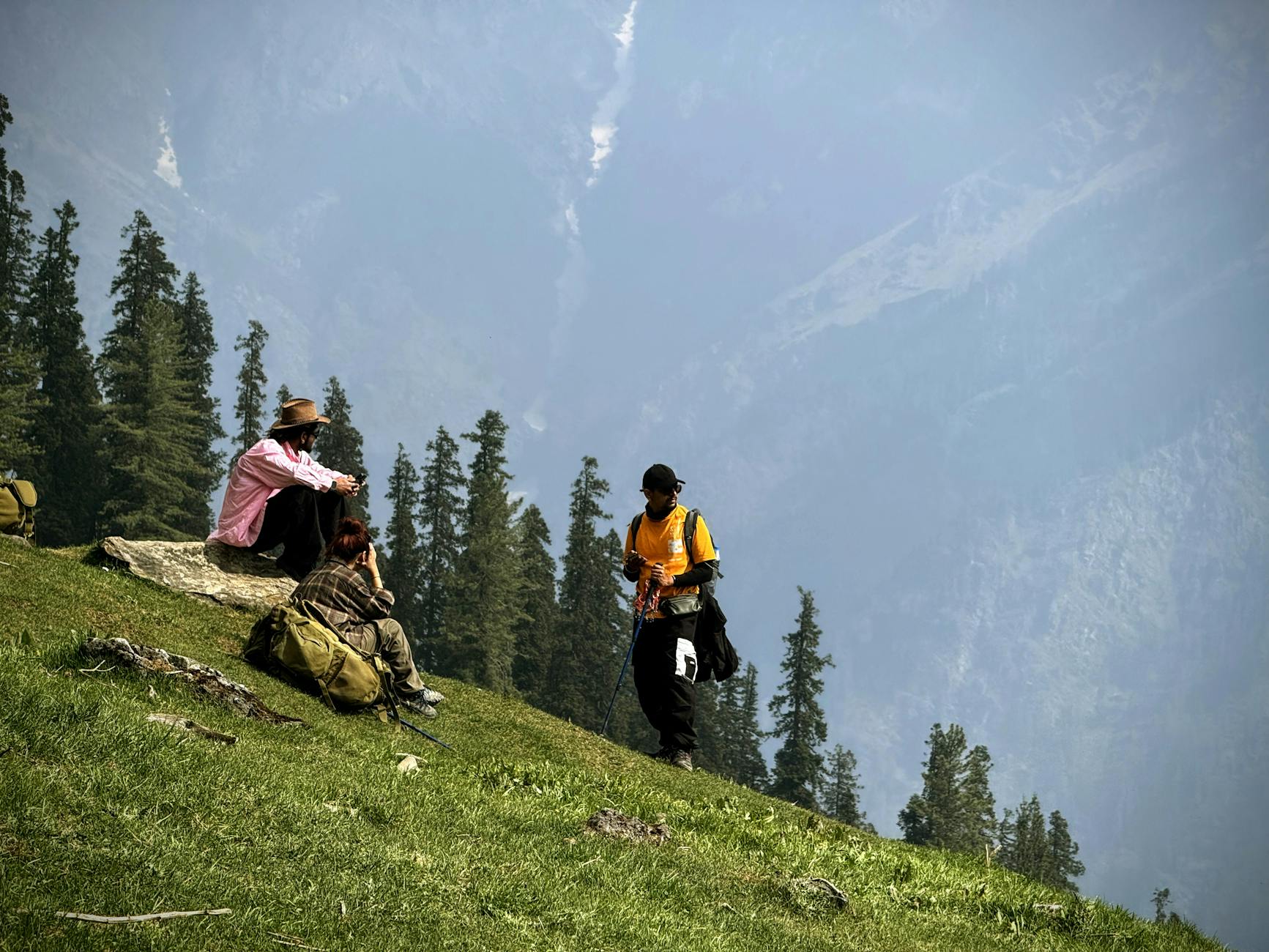
I want to tell you about the wrong train. Twenty-four of us were meant to take the 6:15 CST–Igatpuri. Fourteen of us boarded what turned out to be the 6:05 Pune Fast. The remaining ten boarded correctly. The Pune Fast group realised their error at Dadar and turned back. The original fourteen had a 90-minute adventure involving a suburban station, a tea shop, a platform argument and eventually the correct train.
We arrived at Kasara 90 minutes late. We hired two jeeps to Rajur, who took us on what the driver described as the ‘scenic route’. And what we eventually understood to be the route that was possible in those jeeps on those roads at that time of year. We arrived at Shirpunje at noon instead of 9 am.
How did it go further?
This meant we did the Bhairavgad Ghanchakkar trek in the full heat and mist of a July afternoon rather than the cool of the morning. By 2 pm, the mist came in and turned the ridge walk into something from a Japanese ink painting. Meanwhile, the ladder, in light monsoon drizzle, was genuinely exciting. We reached the Ghanchakkar summit at 4:30 pm, although we could see approximately 15 metres in any direction.
Later, we descended in fading light and arrived at Shirpunje as the village was cooking dinner. The older woman who runs the homestay near the trailhead fed all 24 of us rice, dal and a potato bhaji. We paid what she asked, though it was not enough. Afterwards, we caught the last train back to Mumbai. Eventually, the fourteen who had boarded the wrong train in the morning agreed that the afternoon summit in the mist was better than a clear morning view would have been. Still, I am not sure that is objectively true. It is true to us.
Frequently Asked Questions: Ghanchakkar Trek
How difficult is the Ghanchakkar trek?
The Ghanchakkar trek is moderate to challenging — suitable for people who are reasonably fit and have done at least a couple of Sahyadri day treks before. The trail itself is not technically demanding, but the Bhairavgad iron ladder section requires comfort with heights and is genuinely strenuous. Total return distance is approximately 6 km with 800+ metres of elevation gain. Budget 5–6 hours for the full round trip from Shirpunje.
How do I reach Ghanchakkar from Mumbai by train?
Take the Central Railway line from CST (Chhatrapati Shivaji Maharaj Terminus) towards Igatpuri or Nasik Road and alight at Kasara. From Kasara, hire a shared or private jeep to Rajur village (30 km, approximately 1 hour), then arrange onward transport to Shirpunje. Total journey from Mumbai is approximately 3.5–4 hours.
Is the Bhairavgad Ghanchakkar trek safe in monsoon?
The trek is manageable in monsoon for experienced trekkers but requires additional care. The Bhairavgad ladder becomes slippery when wet — carry trekking gloves and take each rung carefully. The trail beyond Bhairavgad is muddy. The summit is frequently cloud-covered in July and August. For first-time trekkers, post-monsoon (October–November) is the safer and more visually rewarding choice.
Is Ghanchakkar the highest peak in Maharashtra?
No. Ghanchakkar at 1,532 metres is the third highest peak in the Sahyadri range (Western Ghats of Maharashtra). The highest peak in Maharashtra is Kalsubai at 1,646 metres. The second highest is Salher at approximately 1,567 metres. Ghanchakkar’s neighbour Muda at 1,520 metres is sometimes cited as the fourth highest. Note: some older sources and the original version of this post described Ghanchakkar as the third highest in Maharashtra — the more precise description is third highest in the Sahyadri range.
What is the best time to do the Ghanchakkar trek?
October to February is the ideal window — post-monsoon green, clear summit views, comfortable temperatures. November and December offer the best combination of clear skies and cool air. Monsoon (June–September) is beautiful but the ladder is treacherous when wet. March to May is hot on the open ridge sections.
Is there accommodation near Ghanchakkar?
Basic homestay accommodation is available in Shirpunje village. This is simple village hospitality — expect a mattress on a floor, home-cooked food and no mobile signal. For anyone wanting hotel accommodation, Kasara has basic options and Igatpuri (25 km from Kasara) has more. Most trekkers doing the Ghanchakkar Bhairavgad route do it as a one-day trip from Mumbai or stay one night in Shirpunje.
Practical Information at a Glance
| Category | Details |
|---|---|
| Best season | October to February. Post-monsoon green and clear. |
| Avoid if possible | March–May (very hot on ridge). Peak monsoon July–Aug (ladder dangerous) |
| Getting there | CST → Kasara by Central Railway (2.5 hrs) → Jeep to Rajur → Shirpunje |
| Nearest station | Kasara (Central Railway, Mumbai-Nashik line) |
| Trek base | Shirpunje village, Nashik district |
| Trek distance | ~6 km return Shirpunje to Ghanchakkar summit |
| Trek time | 5–6 hours return (add 1 hr for larger groups at the ladder) |
| Cost (rough) | Train from Mumbai: Rs 50–150 return. Jeep Kasara–Rajur–Shirpunje: Rs 200–400 shared. Village homestay: Rs 400–800 with meals. |
| What to carry | 2–3L water (mandatory), trekking shoes, rainwear Jun–Sep, gloves for ladder, snacks and lunch |
| Organised groups | Multiple Mumbai/Pune operators run weekend treks: Treks and Trails, TravelHood, ShriramTreks |
What Ghanchakkar Teaches You About Going Somewhere Difficult
I have trekked in Nepal, Ladakh, the Dolomites and the Andes. Additionally, I hold a world record for a different kind of endurance entirely. I have written fourteen books. Which is its own kind of long-distance effort. And I still think there is something specifically instructive about a Sahyadri day trek — something about the scale of the commitment that makes it accessible to people who would not call themselves trekkers.
The Bhairavgad Ghanchakkar route is not the hardest thing you will do. It is not even the hardest Sahyadri trek. But it is the one that, in my experience, most reliably surprises people — because of the ladder, because of the ridge, and because of the moment at the summit where you look north towards Kalsubai and south towards the Konkan plateau and understand that you are standing on a point that most people who live within 150 km of it have never seen.
Final Take
The wrong train, the noon start, the rice and dal at Shirpunje — none of that was in the plan. All of it was the trek. Go and take the right train. Then let the rest happen as it does.
The summit is not the destination. The summit is the proof that you committed to getting there. The destination is every hour between Shirpunje and the top.— Shivi Goyal
Have you done the Bhairavgad Ghanchakkar trek? I want to know — especially if you also boarded the wrong train. Tell me in the comments. And subscribe to Spirited Blogger for trekking guides, travel stories and honest writing about what it actually feels like to go somewhere difficult.
Useful Resources:
Also read on Spirited Blogger: