

This Kerala monsoon travel guide makes the case for going in June to August, the season everyone warns you to avoid. I want to make the opposing argument.
I visited Kerala in July despite all the warnings. People told me the backwaters would be rough, the beaches would be closed, and that I would end up spending most of my time indoors. However, I decided to go anyway. Not only were the flights surprisingly affordable, but the hotels were even cheaper. More importantly, I was curious to see Kerala in its monsoon season, when it was not putting on a show for tourists but simply being itself.
It looked extraordinary. The backwaters in the rain are a different thing entirely from the backwaters in January – greener, moodier, more alive. The waterfalls in Munnar and Wayanad in July are at full force, the kind of full force where you feel the sound in your chest. The Ayurvedic centres that are normally booked months in advance have availability. The prices are 30–40% lower across the board. And the crowds? There are none. You have Kerala to yourself.
This is the guide I wish I had before I went. What is actually worth doing in Kerala during the monsoon, what to skip, what the weather is really like, and why – if you can handle a raincoat, this is the season that gives you the real Kerala.
Kerala in July taught me that the off-season is not the diminished version of a place. Sometimes it is the truer version. - Shivi Goyal
What the Monsoon Actually Looks Like in Kerala
Kerala’s monsoon runs June to September with the heaviest rainfall in June, July and August. This does not mean it rains constantly – it means it rains intensely, then stops, then is spectacularly clear, then rains again. Mornings are often dry and beautiful. Afternoons bring the rain. Evenings can be magical.
What changes in monsoon season:
- Beaches: Most major beaches (Kovalam, Varkala, Cherai) are officially closed for swimming – the sea is rough and currents are dangerous. You can still walk the beaches and they look dramatic and wild in monsoon. But if you came for swimming, wait for November.
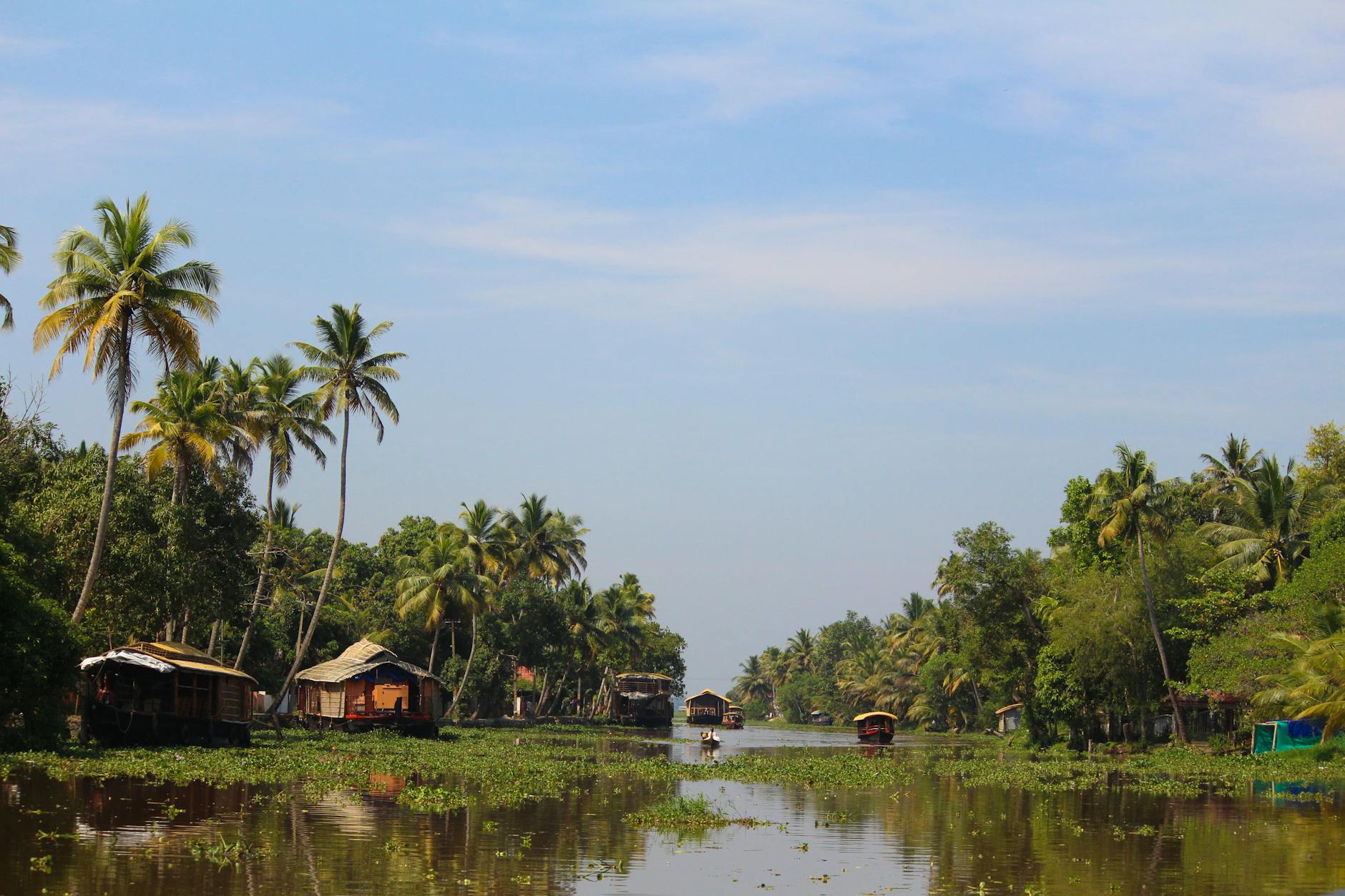
- Backwaters: The backwaters are actually more beautiful in monsoon, the water level is higher, the vegetation is intensely green, the mist sits on the water in the morning.
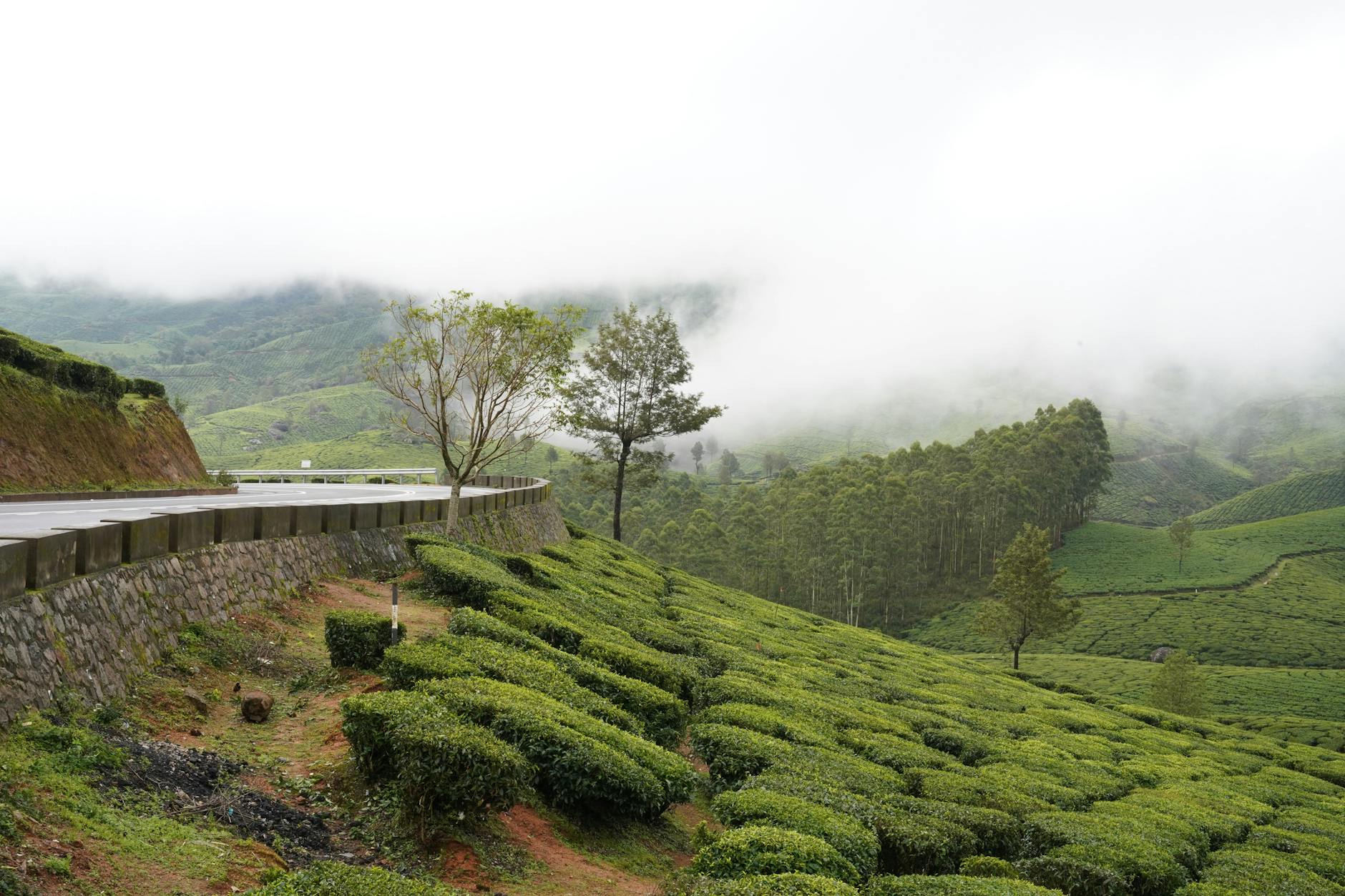
- Hill stations: Munnar, Wayanad and Thekkady are spectacular in monsoon. The tea estates are the lushest green you will ever see. The waterfalls are at peak. The mist is permanent and atmospheric.
- Ayurveda: This is the traditional time for Panchakarma and deep Ayurvedic treatments, the cooler, more humid climate is considered optimal for the body to absorb treatment. Most reputable centres recommend coming during monsoon specifically.
- Prices: 30–40% lower for hotels, houseboats and Ayurvedic packages compared to peak season.
The 7-Day Kerala Monsoon Itinerary
Days 1–2: Kochi
Kochi is the right entry point. Fort Kochi, the oldest part of the city, is a layered, walkable neighbourhood of Dutch, Portuguese and British colonial buildings, Chinese fishing nets, synagogues, churches, galleries and a genuinely excellent cafe culture. The monsoon makes it more atmospheric, not less, the rain on the old buildings, the fishing nets silhouetted against a dramatic sky, the smell of the sea.
What to do in Kochi in monsoon:
- Fort Kochi walking tour: The entire old town is walkable and almost everything is free to see. The Chinese fishing nets are most dramatic at dusk, when the fishermen are working and the light is low.
- Mattancherry Palace (Dutch Palace): ₹10 entry, remarkable Kerala murals from the 16th century. Largely undiscovered by tourists even in peak season.
- Kerala Kathakali Centre: Evening Kathakali performance ₹350–500. The make-up alone takes 2 hours; arrive early for the preparation. One of the most visually extraordinary performance traditions in India.
- Kochi’s cafe culture: Fort Kochi has the best independent cafes in Kerala. Sit somewhere with a window and watch the rain on the street.
Where to stay: Fort Kochi heritage guesthouses : Prices in monsoon start from ₹800–1,500 for a clean, characterful room that would cost ₹2,500 in December. Book Airbnb or homestay for the most authentic neighbourhood experience.
Days 3–4: Munnar
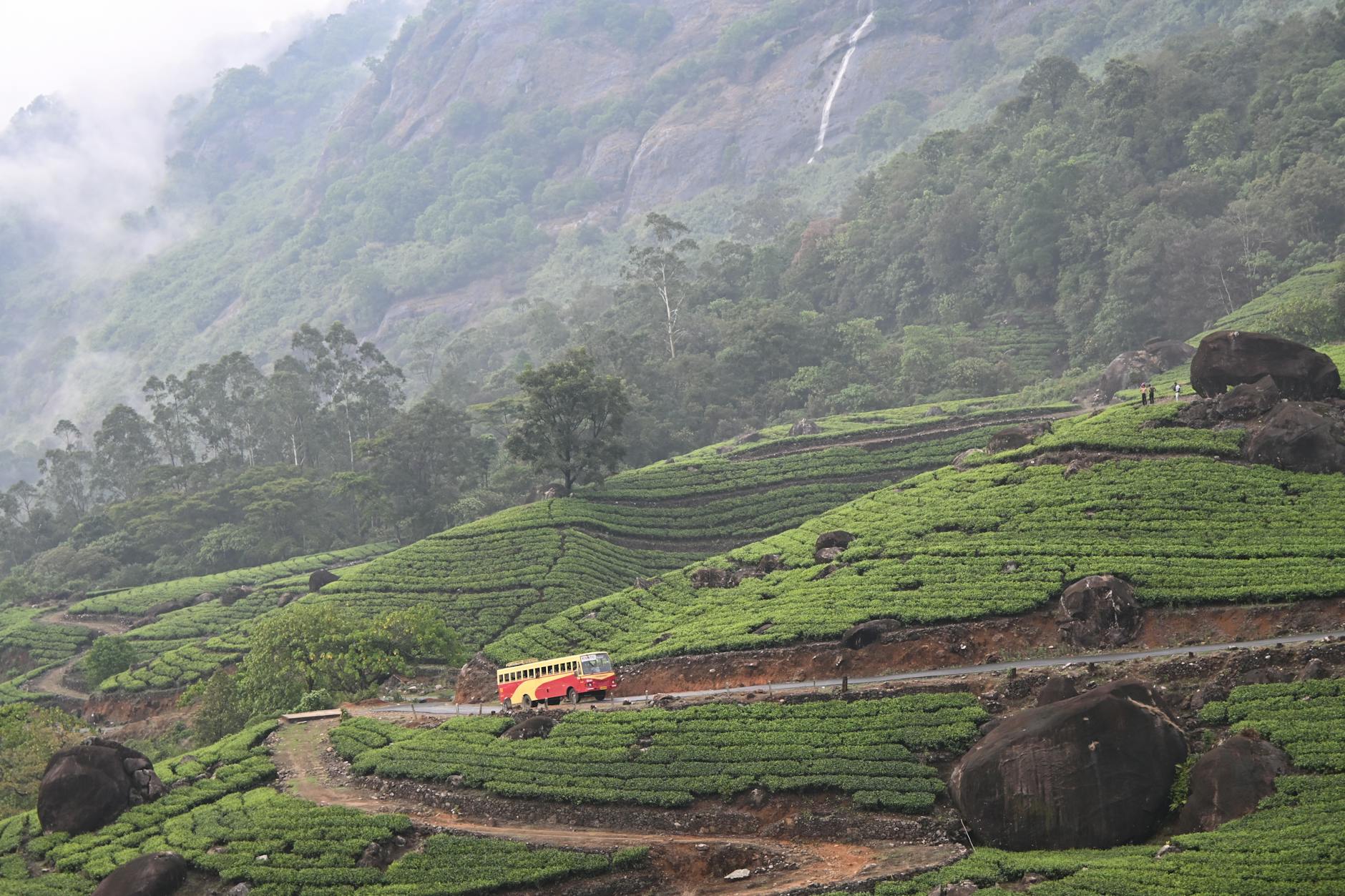
Drive or take a bus from Kochi to Munnar – 4 hours, ₹200–400 by KSRTC bus (one of the best state bus services in India), ₹1,800–2,500 by private cab. The drive through the Western Ghats as the altitude rises and the tea estates appear is one of the most beautiful drives in south India, and in monsoon it is almost unreal, cloud-level fog, waterfalls everywhere, the green so intense it looks edited.
Munnar in monsoon:
- Attukal Waterfalls: At full, thundering force during monsoon. Twenty minutes outside Munnar town. Free to visit.
- Eravikulam National Park: May be partially closed during heavy rain but worth checking. The shola forests here are a UNESCO Biosphere Reserve.
- Tea estate walks: Most estates welcome visitors. Walk the rows in light rain with a mug of fresh tea. This is the season the estate workers are busiest and the tea is being harvested.
- Mattupetty Dam: The view of the reservoir surrounded by hills in the mist is extraordinary. Take the boat ride if conditions allow.
A word on Munnar accommodation in monsoon: prices drop significantly and availability is excellent. A decent homestay costs ₹800–1,500 including breakfast. Some heritage bungalows that are fully booked in peak season have walk-in availability in July.
Days 5–7: Alleppey (Alappuzha) Backwaters
The backwaters are the reason most people come to Kerala. An overnight houseboat through the network of canals, lakes and rivers that runs parallel to the coast, coconut palms, paddy fields, villages where people live entirely by the water, kingfishers, fishing nets, and the sound of the water against the hull at night.
In monsoon, all of this is more beautiful. The water is higher, the vegetation is at its most green, the light on overcast days has a quality that clear blue-sky days do not. And the houseboat prices are 35–40% lower than peak season.
Houseboat pricing in monsoon: a basic houseboat for two with all meals, one night, ₹4,500–7,000. A mid-range houseboat (air conditioning, better meals, more attentive crew) ₹8,000–14,000. The same boats cost ₹7,000–10,000 and ₹14,000–22,000 in December.
What to know about houseboat booking in monsoon:
- Book directly with operators at Alleppey boat jetty rather than through online portals, you will pay 20–30% less and can inspect the boat before committing.
- The cook on a good houseboat is the hero of the experience. The Kerala seafood thali served fresh on the water is the best meal Kerala offers. Ask about the day’s catch when you board.
- Canoe rides through the narrow, shallow side channels that the big houseboats cannot enter, these are arranged by your houseboat operator or at the jetty for ₹500–800 for a 2-hour ride.
- Village walks from the houseboat stop points are better in monsoon when the paddies are full and the farmers are working, ask your crew to arrange one.
Monsoon Kerala Quick Reference
| Detail | What to Know |
|---|---|
| Best for | Backwaters, Munnar & Wayanad hills, Ayurveda, waterfalls, budget travel |
| Not ideal for | Beach swimming (Kovalam/Varkala closed), sea activities |
| Weather | Heavy rain in bursts, mornings often clear, afternoons wet |
| Price savings | 30–40% lower on hotels, houseboats, Ayurveda packages |
| Crowds | Very low far fewer tourists than Oct–March |
| What to pack | Light waterproof jacket, quick-dry clothes, covered footwear |
| Best months | June–August (July is the peak of monsoon and the most dramatic) |
Ayurveda in Kerala Monsoon: Why This Season Is Actually Recommended
Kerala is the home of Ayurveda and the monsoon is traditionally considered the best season for treatment. The cooler, humid air opens the pores, the body is considered more receptive, and the oils penetrate more deeply. Most reputable Ayurvedic centres across Kerala are busier in monsoon than in other seasons, not empty, as the tourism narrative suggests.
If Panchakarma or Ayurvedic retreat is on your list, July to September is the time to come. Budget Ayurvedic massage starts at ₹700–1,200 per session at reputable centres. Multi-day treatment packages at decent centres start from ₹5,000–8,000 per day including accommodation and all treatments, significantly less than the same packages in December.
FAQs: Kerala Monsoon Travel
Is Kerala worth visiting during monsoon?
Yes, for the backwaters, the hill stations and Ayurveda, it is arguably the best season. The only things to avoid are beach swimming and sea-dependent activities.
Which parts of Kerala are best in monsoon?
Alleppey backwaters, Munnar, Wayanad and Thekkady are spectacular. Fort Kochi is atmospheric and beautiful. The beaches at Kovalam and Varkala are dramatic to look at but not safe for swimming.
How much cheaper is Kerala in monsoon?
Hotels and houseboats are 30–40% cheaper than peak season (October–March). Ayurvedic packages are similarly discounted. Flights to Kochi are typically cheaper in monsoon as well.
What should I pack for Kerala in monsoon?
A light waterproof jacket or poncho, heavy raincoats are too hot. Quick-dry clothing. Closed waterproof sandals or trail shoes. Insect repellent, the humidity brings mosquitoes in the evenings. A dry bag for your phone and camera.
Can I do the backwaters in monsoon?
Yes. The backwaters are inland channels and are calmer than the sea. Houseboat operators run throughout the monsoon. The backwaters in the rain are genuinely beautiful — do not let anyone talk you out of this experience.
Kerala in the monsoon is not the diminished version of Kerala that the travel industry implies when it says ‘avoid June to September.’ It is Kerala at its most itself — lush beyond description, uncrowded, affordable, and deeply alive with the rhythm of rain and harvest and the kind of beauty that does not require sunshine.
Go. Take a raincoat. Book a houseboat. Find a window seat in a Fort Kochi cafe when the rain comes and drink tea and watch the street go quiet. That is a travel memory that will last.
“The monsoon does not ruin Kerala. The monsoon reveals it.” — Shivi Goyal
💌 Have you been to Kerala in the monsoon — or does the rain put you off? Tell me in the comments. And if you have been in peak season and want to know if the monsoon version is worth it — the answer is yes. Also Kerela is more than monsoons – if you wish to travel for digital detox and wellness then read this blog – Kerala Wellness Retreats and Digital Detox: Where to Go, What to Expect and Why I Keep Coming Back
Subscribe to Spirited Blogger for honest travel guides that go against the usual advice when the usual advice is wrong.
Useful Resources:
Also read on Spirited Blogger: