

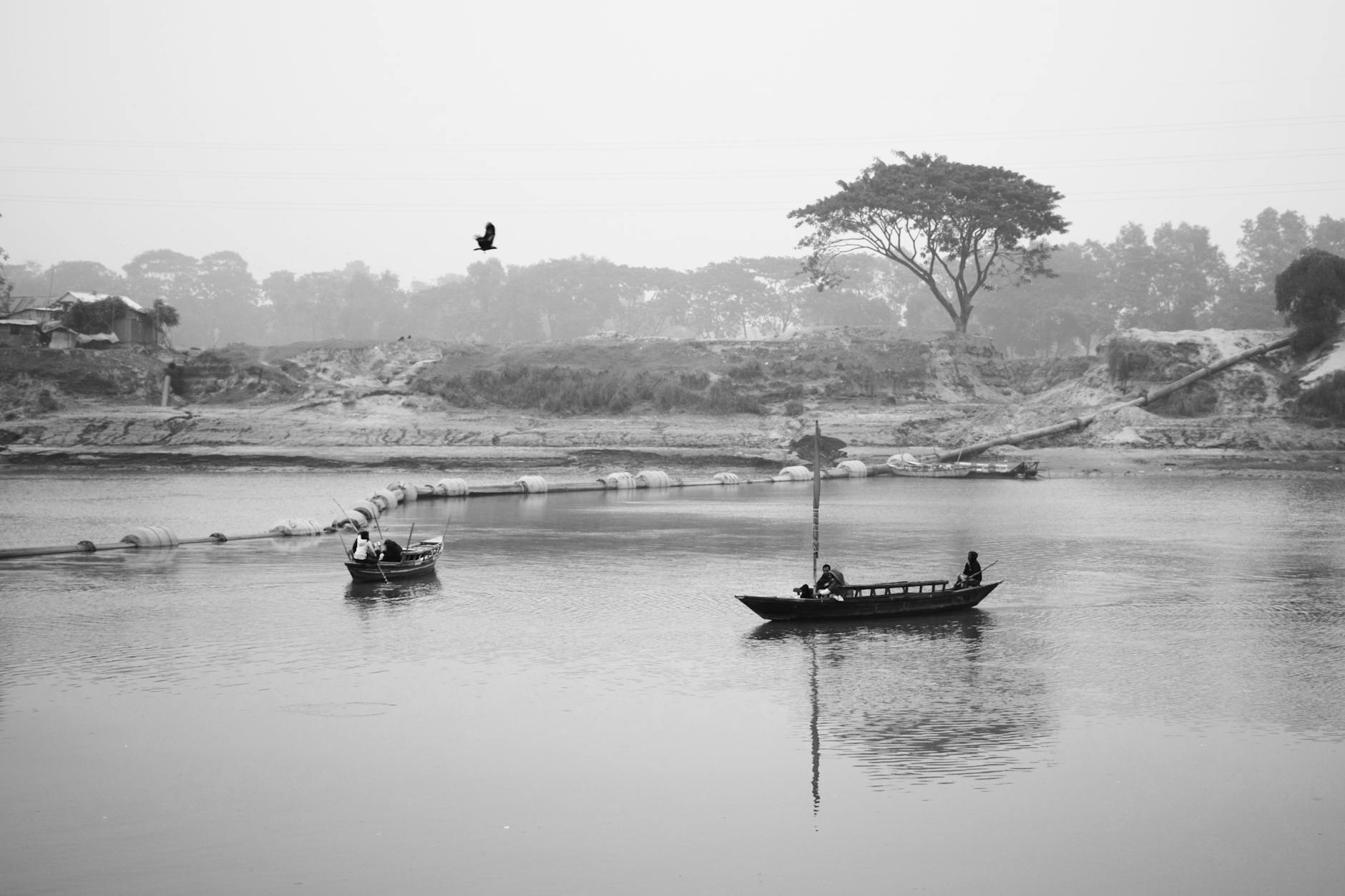
The ferry from Nimati Ghat to Majuli takes about an hour, depending on the river. On the morning I first crossed, the Brahmaputra was wide and grey and completely still, and there was a mist sitting just above the water that made it difficult to see where the river ended and the sky began. I stood at the front of the ferry and watched the island appear through the mist — first as a dark line, then as shapes, then as trees and houses and a fishing boat already at work at 6am — and I had the distinct feeling of approaching somewhere that was not quite connected to the rest of the world in the way that most places are. This guide covers everything you need to know about Majuli Island travel guide.
Your Complete Majuli Island Travel Guide Guide
I was right about that. Majuli is not quite connected to the rest of the world. And this is, depending on what you need from travel, either its greatest challenge or its greatest gift.
Majuli is the world’s largest river island — 352 square kilometres of fertile land sitting in the middle of the Brahmaputra in Assam, accessible only by ferry, with no bridge and no airport and no reason to hurry. It is home to approximately 165,000 people, a significant population of migratory birds, the Mishing and Deori tribal communities, and the Vaishnava satras — monastery-like institutions that have been the centre of Assamese cultural and spiritual life for six hundred years.
I went to Majuli as part of my Northeast India journey. I stayed for three days when I had planned to stay for one. This is what the island does to you, if you let it.
“Majuli does not announce itself. It simply is — wide and green and unhurried and completely itself. You either slow down to meet it or you miss it entirely.” — Shivi Goyal
What Majuli Actually Is: Beyond the ‘Largest River Island’ Headline
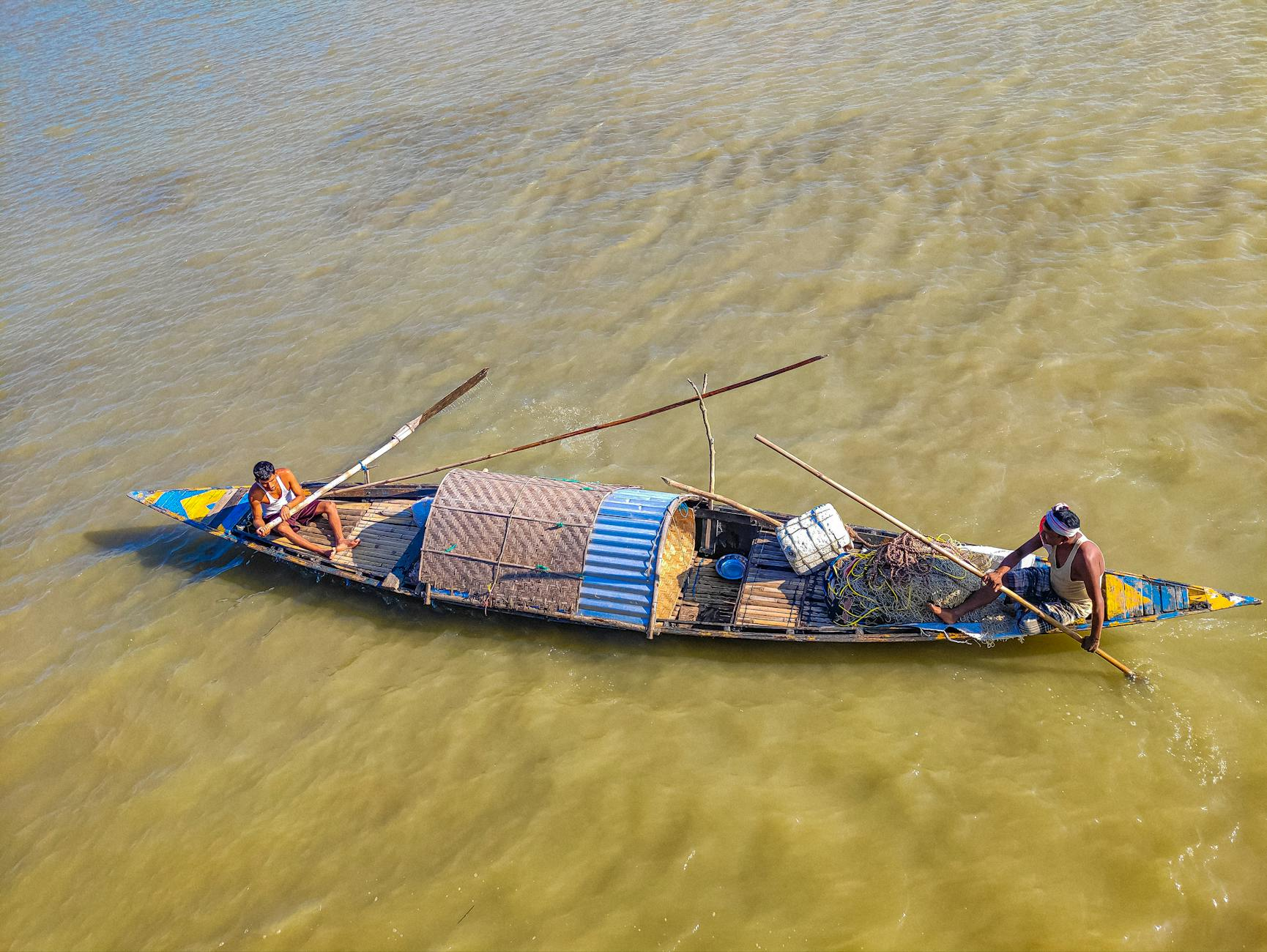
Every article about Majuli leads with the world’s largest river island fact. It is true and it is interesting, but it tells you almost nothing about why the island is worth visiting. Let me tell you the more important things.
The Satras
The Vaishnava satras are the heart of Majuli. They were founded in the 15th and 16th centuries by the saint-philosopher Srimanta Sankardeva and his disciples, as centres of the Ekasarana Dharma — a devotional movement within Vaishnavism that rejected caste discrimination and idol worship and emphasised direct personal devotion to Vishnu through music, dance and drama. At their peak there were over 900 satras on the island. Today there are approximately 22 remaining, and they continue to function as living cultural institutions — not museums, not tourist attractions, but active communities of monks and scholars who preserve a six-hundred-year-old tradition.
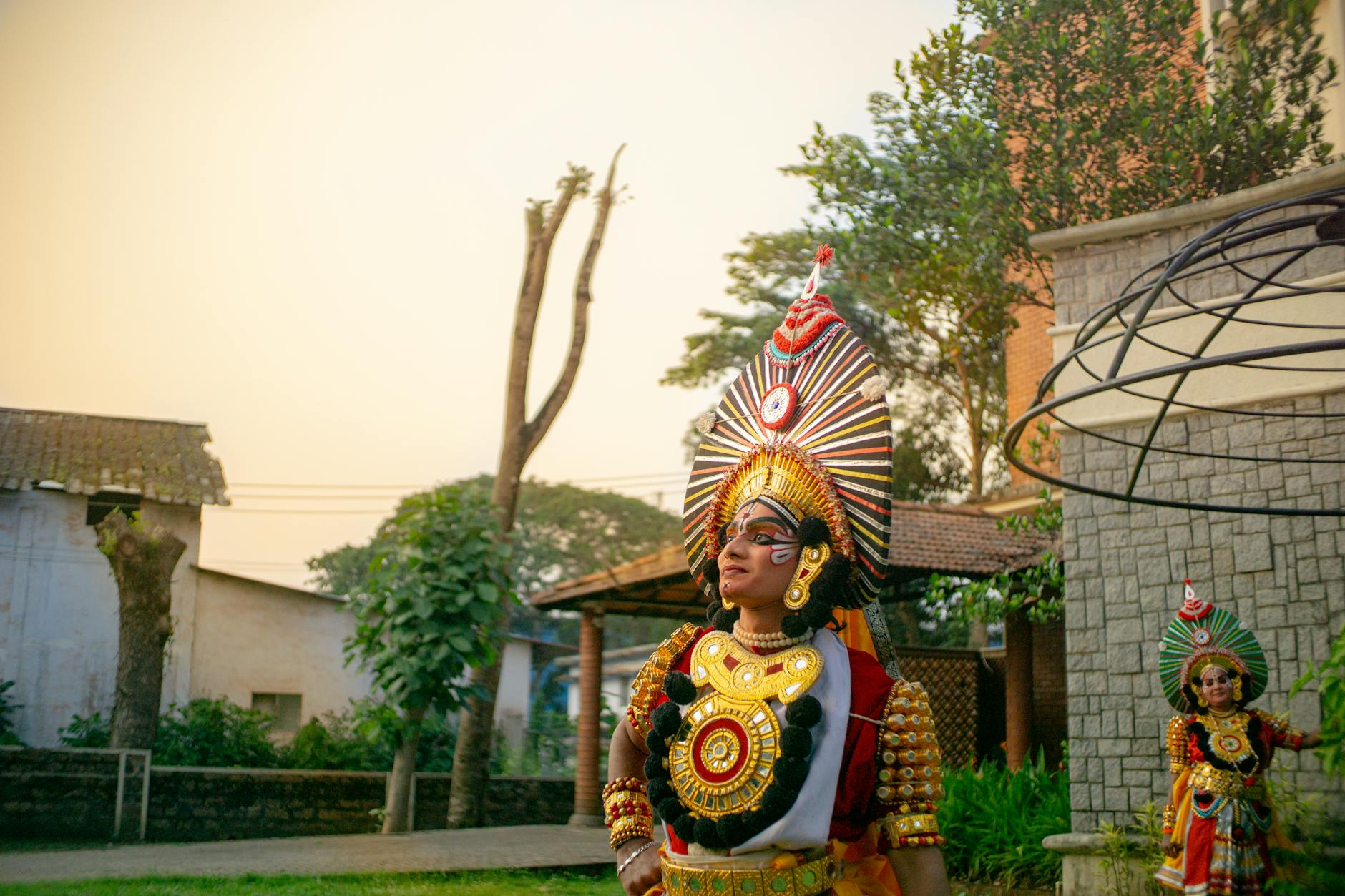
The Sattriya dance form that originated in these satras was recognised by the Sangeet Natak Akademi as one of the eight classical dance forms of India in 2000. Watching a Sattriya performance in a satra courtyard at dusk, with the oil lamps lit and the monks in white playing the khol drum and cymbals, is one of the most genuinely moving cultural experiences I have had in India — and I have had many.
The Ecology
Majuli is one of the most important wetland ecosystems in Northeast India. The island receives several hundred species of migratory birds between November and March, including the greater adjutant stork — a critically endangered bird found in very few places in the world. The biodiversity of the rice varieties cultivated here is extraordinary — Majuli farmers grow over one hundred traditional varieties of rice that have been developed and maintained over centuries and exist nowhere else.
The Crisis
I cannot write about Majuli without acknowledging what is happening to it. The island is shrinking. Severe erosion caused by the Brahmaputra’s flooding and changing course has reduced Majuli from over 1,000 square kilometres a century ago to its current 352 square kilometres. Several satras have already been relocated from their original sites. Entire villages have been lost. The island faces an existential challenge from a river that has sustained it for millennia and is now consuming it.
This knowledge changes how you experience Majuli. You are visiting a place that may not exist in its current form in fifty years. That is a reason to go now, and to go with full attention.
How to Get to Majuli: The Ferry & What It Tells You
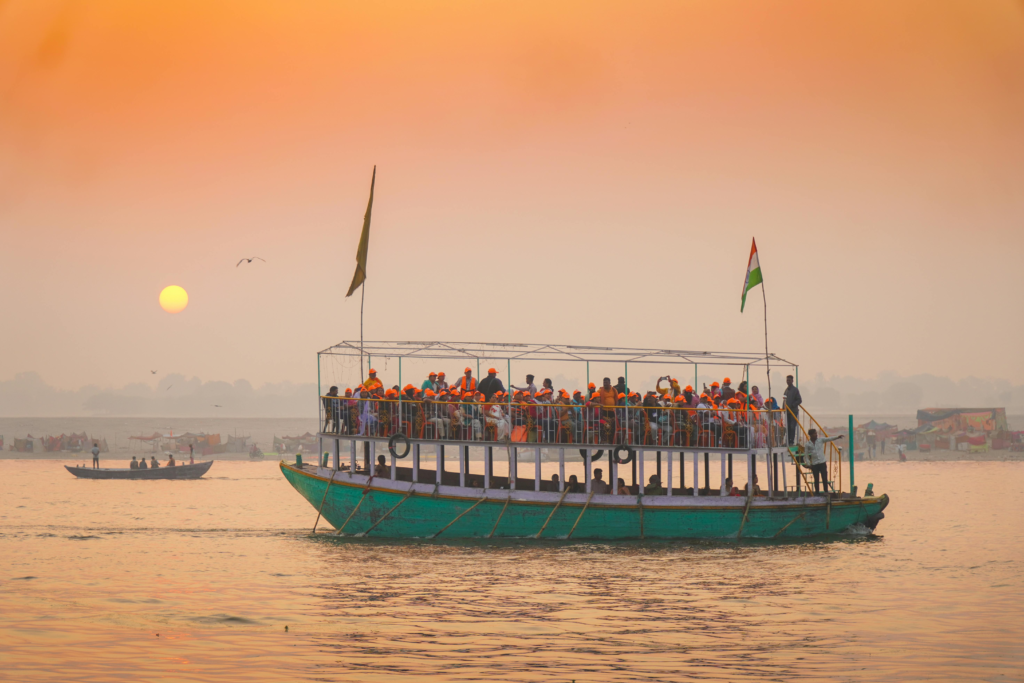
There is only one way to reach Majuli: by ferry from Nimati Ghat, approximately 20km from Jorhat in Assam.
Getting to Nimati Ghat
- From Jorhat: shared taxi or auto rickshaw, Rs 100-150, about 45 minutes — taxis gather at Jorhat station and AT Road
- From Kaziranga: hire a private cab to Jorhat (2.5 hours, Rs 1,500-2,000), then shared taxi to Nimati Ghat
- From Guwahati: train to Jorhat (5-6 hours, Rs 200-400 in sleeper class) or flight to Jorhat airport (30 minutes, expensive but convenient)
The Ferry
- Government ferries run from approximately 8am to 3pm — check current timings at the ghat as they change seasonally
- Crossing time: 1-1.5 hours depending on river conditions
- Cost: Rs 20-30 per person, Rs 200-300 for a bicycle, Rs 800-1,200 for a motorcycle
- There are multiple ghats on the Majuli side — Kamalabari Ghat is the main one and closest to the satra cluster
- In monsoon season (June-September) ferry services can be disrupted — check conditions before travelling
The ferry crossing itself is part of the experience. Take it seriously. Stand at the front. Watch the river. The Brahmaputra at this point is so wide that in some directions you cannot see either bank. It is one of the great rivers of Asia and it deserves a few minutes of your full attention.
Where to Stay on Majuli: The Homestay Is the Experience
There are no luxury hotels on Majuli. There are a small number of basic guesthouses and a growing number of homestays. The homestay is the right choice — not as a budget decision, but as a travel decision. The family you stay with is the island’s best guide, its best cook and its best introduction.
| Accommodation Type | What to Expect |
|---|---|
| Satra guesthouses | Some satras offer very basic rooms for pilgrims and visitors. Simple, clean, deeply atmospheric. Rs 300-500 per night. Ask at the satra office on arrival. |
| Village homestays | Family homes in Mishing and Deori villages — Rs 500-800 per night including home-cooked meals. The best option for cultural immersion. |
| Basic guesthouses near Kamalabari | Rs 400-700 per night, basic amenities, convenient for exploring the central satra cluster. Good if you need reliable wifi (relative term on Majuli). |
| Eco-stays | A small number of eco-conscious stays have opened in recent years — Rs 1,200-2,500 per night, better facilities, often with cycling and birdwatching programmes. |
My personal experience: I stayed in a Mishing village homestay run by a woman named Priyalata who had been hosting travellers for twelve years and who cooked the best fish curry I have eaten in Assam. The room was simple. The meals were extraordinary. The conversations over dinner, with Priyalata’s husband explaining the traditional Mishing weaving techniques while her daughter demonstrated, were worth more than any formal cultural programme I have attended.
What to Do on Majuli: A Day-by-Day Guide
Day 1: Arrival and the Satras
Arrive by the morning ferry and get yourself oriented. Hire a bicycle from near Kamalabari Ghat — Rs 100-150 per day — and cycle to the three most significant satras: Kamalabari, Auniati and Dakhinpat. Each has its own character and its own collection of artefacts, manuscripts and traditions.
- Kamalabari Satra — the most accessible and visitor-friendly, with a small museum of traditional masks and musical instruments
- Auniati Satra — founded in the 17th century, famous for its collection of jewellery, utensils and manuscripts, and for its preservation of traditional Assamese crafts
- Dakhinpat Satra — the oldest on the island, known for its Sattriya dance tradition and its evening prayer ceremonies
If you arrive early enough, attend the evening prayer (naam-kirtan) at one of the satras. It begins around 5-6pm and lasts 45-60 minutes. The khol drum and cymbals, the chanting, the oil lamps and the complete seriousness with which the monks approach what they are doing — it is one of those experiences that stays.
Day 2: The Villages and the River
Today, go away from the satras and into the villages. Cycle north towards the Mishing community settlements. The Mishing are the largest indigenous community on Majuli and their culture — particularly their textiles, their rice beer (apong) and their relationship with the river — is extraordinary.
- Visit a Mishing weaving house — the handloom textiles produced here are among the most beautiful in Northeast India. Buy directly from the weaver.
- Ask your homestay host to arrange a visit to a traditional Mishing house — the bamboo structures built on stilts above the flood level are architectural marvels of adaptation
- Take a country boat ride on the small channels between the paddy fields in the late afternoon — the light at this hour on the water is extraordinary
- Watch for the greater adjutant stork in the wetland areas — November to March is the best season
Day 3: Dawn on the River and Mask Making
Wake up before dawn. This is not optional. The Brahmaputra at sunrise from Majuli — the mist lifting off the water, the fishing boats already moving, the birds beginning — is one of the most beautiful things I have seen in India. I know I have said similar things about other places in this series of posts. This one is also true.
After breakfast, visit the mask-making tradition of Majuli. The large painted masks used in satra performance — some up to a metre tall, made from bamboo, clay and cloth — are one of the distinctive art forms of the island. A few families maintain the tradition and most welcome visitors who come with genuine curiosity rather than as spectators at an exhibit.
- The Hemchandra Goswami family in Samaguri Satra area are among the most respected mask makers on the island — ask your guesthouse host for an introduction
- The masks take weeks to make and are not cheap — if you buy one, you are supporting a tradition that is genuinely at risk
- Bring a sketchbook or journal — the process of watching skilled craft being made by hand is one of those travel experiences that rewards slow attention
The Island That Is Disappearing: What I Think About When I Am on Majuli
I want to spend a paragraph on this because I think it matters for how you travel to Majuli.
The island is shrinking at a rate of approximately 8 square kilometres per year. The satras have been moved. Entire villages have been relocated. The population has declined as families have left for the mainland. The traditional livelihoods — fishing, rice farming, weaving — are under pressure from the same forces that are reshaping rural India everywhere.
I do not say this to make your visit feel heavy or guilty. I say it because I think the awareness of impermanence changes how you pay attention. When I walk through a satra on Majuli knowing that its predecessor was lost to the river. I look more carefully. When I eat a meal cooked with rice varieties that have been grown on this island for centuries and exist nowhere else, I taste it more carefully. When I watch a Sattriya performance knowing that the number of people who can perform it is declining, I watch more carefully. Careful attention is the most valuable thing a traveller can bring to a fragile place. Majuli deserves it.
Practical Information: Everything You Need to Know
| Category | Details |
|---|---|
| Best time to visit | October to April — post-monsoon Majuli is lush and the migratory birds are present Nov-March |
| Avoid | June to September monsoon — ferries disrupted, flooding risk, island at its most difficult |
| How long to stay | Minimum 2 nights, ideally 3 — day trips from Jorhat miss the point of Majuli entirely |
| Cash | Carry sufficient cash — ATM facilities on the island are limited and unreliable |
| Connectivity | Mobile coverage is patchy on much of the island. BSNL has best coverage. Embrace the disconnection. |
| Getting around | Bicycle is the best and most appropriate way to explore — hire from near the main ghat, Rs 100-150/day |
| Budget per day | Rs 800-1,500 all-inclusive (homestay + food + bicycle + boat trips). Majuli is genuinely affordable. |
Why I Will Keep Going Back to Majuli?
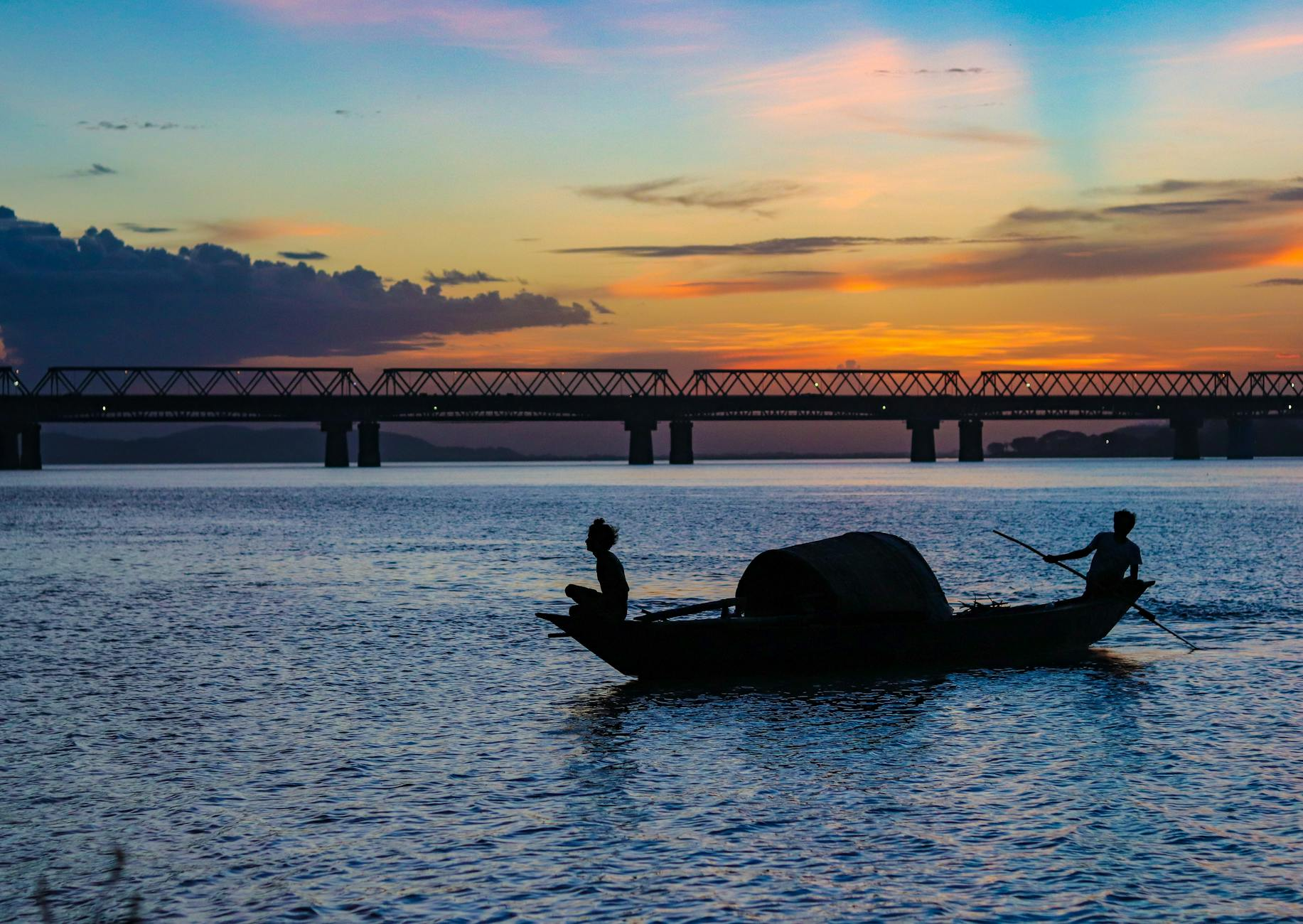
I have been to Majuli twice. Both times I have arrived planning to stay for one day and left three days later. Both times I have missed the ferry I intended to take because something — a conversation, a performance, a sunrise, a meal — held me there a little longer than I planned.
There is something about Majuli that resists efficiency. The island operates on its own time — the time of the river, the time of the satras, the time of a culture that has been practicing the same devotional traditions for six hundred years and sees no particular reason to hurry. When you arrive from the mainland — from the pace of Guwahati or Jorhat or, further back, from whatever city you flew in from — the deceleration is physical. You feel it in your body. The shoulders drop. The mind quiets. You begin to notice things.
My Observation
I noticed, on my second visit, that the monk who plays the khol drum at the evening prayer in Kamalabari Satra. He has been playing it for forty-three years. What I saw next was the way the Brahmaputra changes colour through the day. Silver at dawn, brown-green at noon, gold at sunset. I noticed that the rice paddies on Majuli smell different from anywhere else I have been — richer, more alive, as if the soil knows it is special.
“Majuli is a place that rewards patience in the specific way that all genuinely rare things do — by revealing itself slowly, to the person who stayed long enough to see it.” — Shivi Goyal
💌 Have you been to Majuli — or is it on your list? Tell me in the comments. And if you have been, tell me which satra moved you most. I read every comment and I am always looking for reasons to go back. Subscribe to Spirited Blogger for weekly travel guides from someone who keeps missing her ferry for all the right reasons.
Useful Resources:
Also read on Spirited Blogger: