

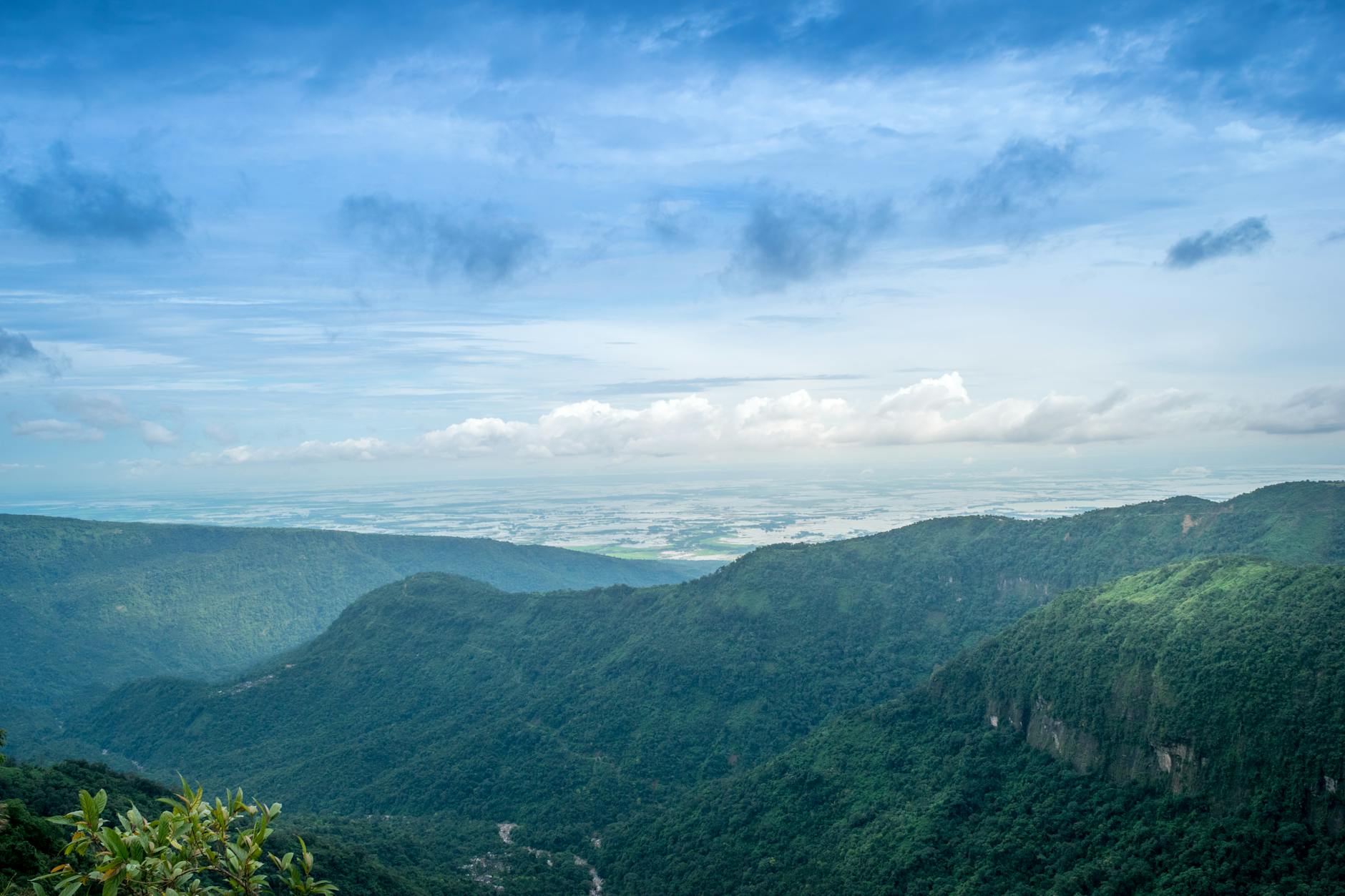
There is a part of India that most Indians have never visited. A region of eight states — seven of which I will take you through in this guide — that contains some of the most extraordinary landscapes, cultures and experiences this country has to offer. A place where the air is clean, the people are among the warmest you will ever meet, and the tourism infrastructure is still underdeveloped enough that you can have genuinely rare experiences without fighting crowds. This is the complete northeast India travel guide you need to plan your trip.
Your Complete Northeast India Travel Guide Guide
I am talking about Northeast India. And if you have not been, this guide is going to change that.
I have travelled all seven of these states. I have hiked the living root bridges of Meghalaya, watched one-horned rhinos at dawn in Kaziranga, stayed with tribal families in Nagaland and woken up to views of Kangchenjunga from the hills of Sikkim. I have eaten food I could not name and loved every bite. And I have come back from every single trip to the Northeast wondering why it took me so long to go the first time.
This is the guide I wish I had. Everything you need to plan a 14-day journey through 7 states — what to see, where to stay, when to go, and what will surprise you when you get there.
“Northeast India is not a hidden gem. It is a hidden world. One that will quietly become one of the most important places you have ever been.” — Shivi Goyal
Why Northeast India Should Be at the Top of Every Indian’s Travel List
Most travellers who visit Northeast India say the same thing when they return: I had no idea. They had no idea how beautiful it was, how different it felt from the rest of the country, how kind the people were, how good the food was.
Here is what makes Northeast India unlike anywhere else:
- Eight states, each with its own distinct culture, cuisine and language
- Some of the wettest places on earth and some of the most biodiverse forests in Asia
- Over 200 distinct tribal communities with traditions that predate recorded history
- Food unlike anything else in India — clean, subtle, deeply flavourful
- A pace of life that will slow you down in the best possible way
- Crowds that are a fraction of what you will find anywhere on the Golden Triangle
When to Go: The Best Time to Visit Northeast India
| Season | Months | Best For |
|---|---|---|
| Best Season ✅ | October — March | Clear skies, all states accessible, festivals |
| Festival Season 🎉 | November — February | Hornbill (Nagaland), Ziro Festival (Arunachal) |
| Avoid ❌ | June — September | Heavy monsoon, some roads closed |
The Permit Question: What You Actually Need
This stops a lot of travellers before they start. It should not. Here is the simple version:
- Indian nationals: No permit required for Assam, Meghalaya, Tripura and Sikkim (most areas)
- Arunachal Pradesh: Protected Area Permit (PAP) required for ALL visitors including Indian nationals. Apply online at arunachalpermits.nic.in — takes 2-3 days. Plan ahead.
- Nagaland: No permit required for Indian nationals for most tourist areas
- Foreign nationals: Inner Line Permit required for Arunachal, Nagaland, Mizoram and Manipur
My advice: apply for your Arunachal permit two weeks before travel. Everything else you can sort as you go.
The 14-Day Northeast India Itinerary: State by State
Days 1-2: Meghalaya — The Abode of Clouds
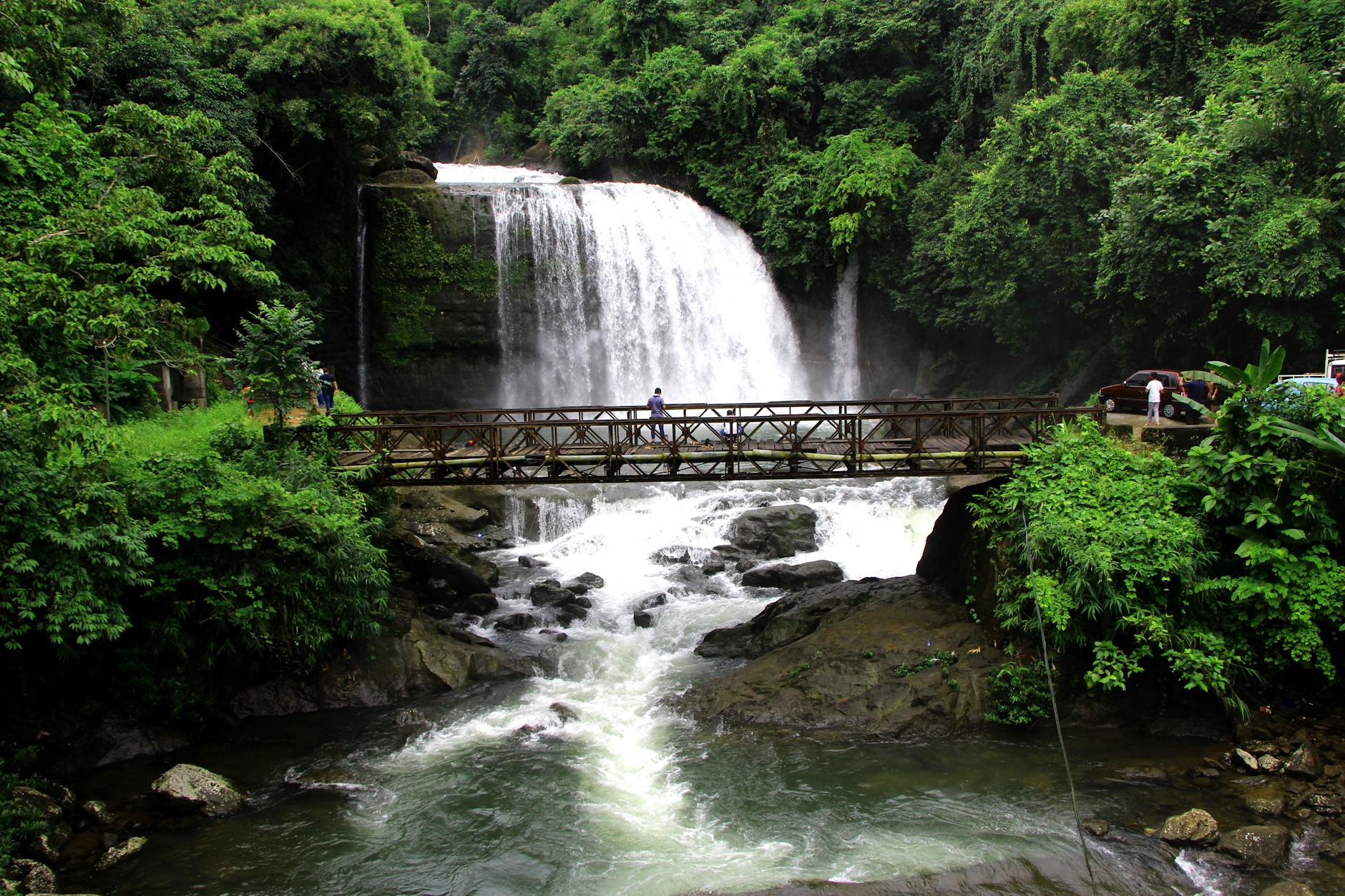
Fly into Guwahati and drive or take a shared taxi to Shillong (3-4 hours). Meghalaya is where most first-time Northeast travellers begin, and it earns its reputation immediately.
Day 1 — Shillong and surroundings
- Ward’s Lake — peaceful, central, a good first morning
- Don Bosco Museum — the single best introduction to Northeast India’s tribal cultures. Budget 3 hours minimum.
- Police Bazar for dinner — try jadoh (rice cooked in pork broth). If vegetarian, the local vegetable preparations are extraordinary.
Day 2 — Cherrapunji and the Living Root Bridges
This is the day that will stay with you. Drive to Cherrapunji and trek to the double-decker living root bridge at Nongriat. The trek is 3,500 steps down and 3,500 steps back up. It takes 4-5 hours round trip. It is worth every single one of them.
The bridges are grown, not built. The Khasi people have guided the roots of rubber fig trees across rivers for centuries, creating living structures that grow stronger with age. There is nothing like them anywhere else in the world.
🌿 Mindful travel note: The Nongriat trek is moderately difficult. Wear proper shoes. Carry water. Do not rush. Let yourself arrive slowly.
Days 3-4: Assam — Rhinos, Tea and the Brahmaputra
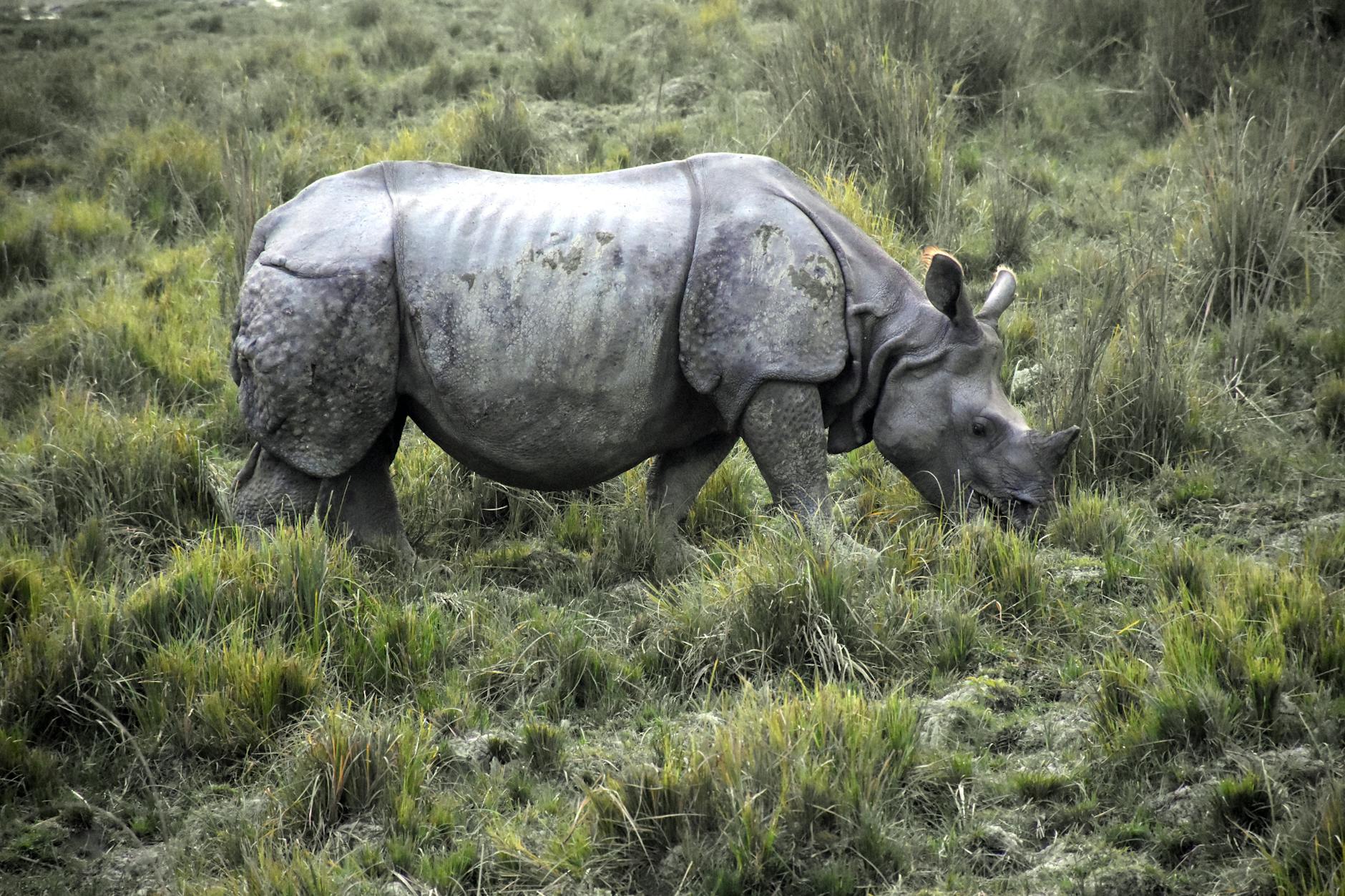
Drive to Guwahati (4 hours from Cherrapunji) and continue to Kaziranga National Park (another 4 hours). Yes, it is a long travel day. Yes, it is completely worth it.
Day 3 — Kaziranga: The Rhino Capital of the World
Kaziranga is home to the world’s largest population of the Indian one-horned rhinoceros — over 2,600 animals in a park that is only 430 square kilometres. A morning jeep safari almost guarantees rhino sightings. Elephants, wild buffalo, swamp deer and if you are very lucky, tigers are all present.
- Book your jeep safari in advance, especially October-February
- The central range gives the best rhino sightings
- Morning safaris (6am) are far better than afternoon — go early
Day 4 — Majuli Island
Drive to Nimati Ghat and take the ferry to Majuli — the world’s largest river island, sitting in the middle of the Brahmaputra. The island is home to the Vaishnava Satras — monastery-like institutions preserving 600 years of music, dance and drama.
Stay overnight on the island. Majuli at dawn, with the river mist and the sound of prayer from the satras, is one of those travel experiences that defies description.
Days 5-6: Nagaland — The Land of Festivals
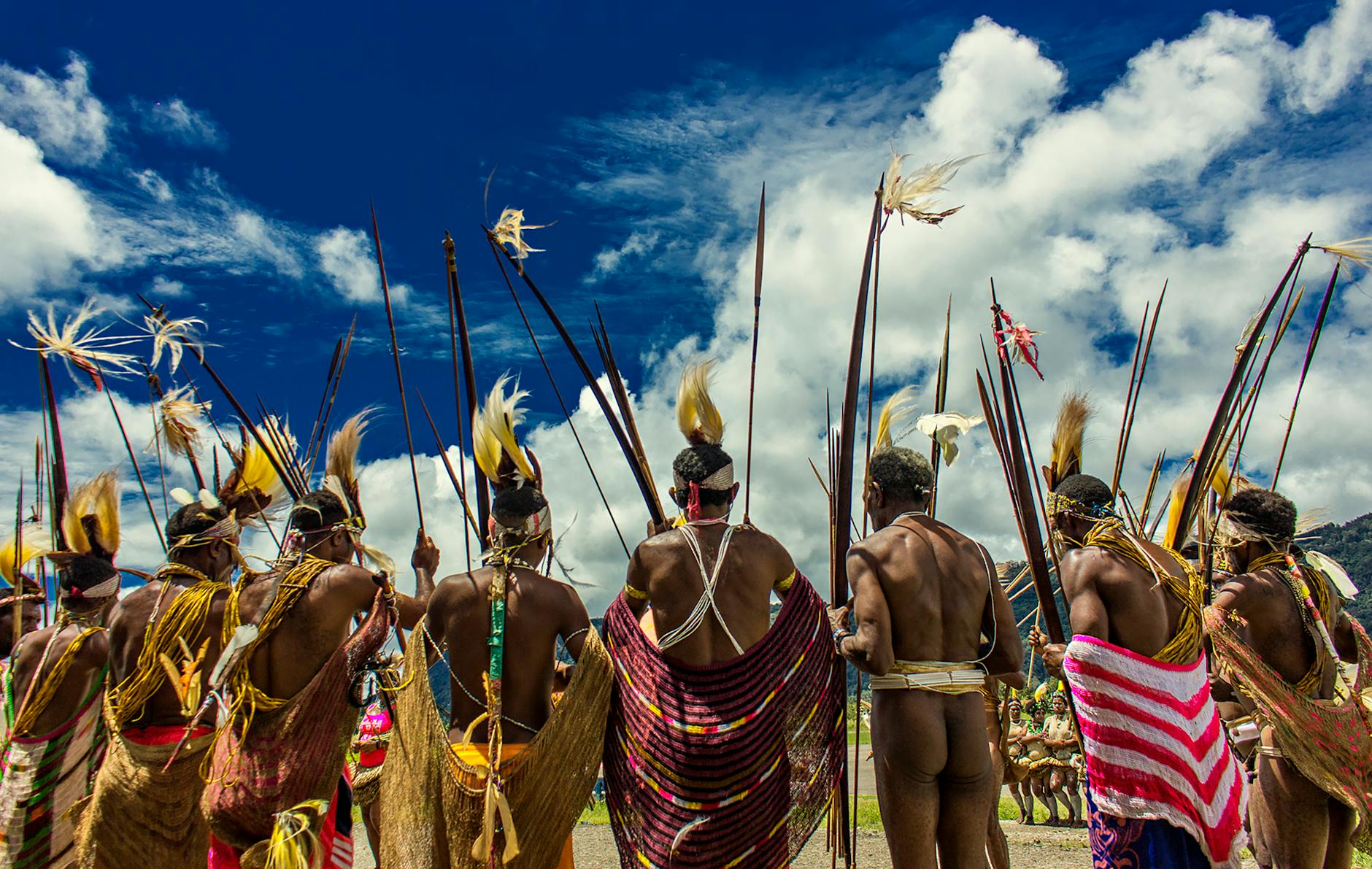
Fly from Jorhat to Dimapur and drive to Kohima (3 hours). Nagaland is unlike anywhere else in India — the culture, the food, the people, the landscape.
Day 5 — Kohima
- Kohima War Cemetery — one of the most moving war memorials in Asia. The Battle of Kohima 1944 was a turning point of WW2 in Asia.
- Naga Heritage Village (Kisama) — 12km from Kohima, this village hosts the Hornbill Festival every December. Visit even outside festival season.
- Kohima market — try smoked pork with bamboo shoot. This is non-negotiable.
Day 6 — Village homestay experience
Arrange a homestay in one of the villages around Kohima through a local operator. Naga hospitality is legendary. The food cooked over a wood fire in a village home is in a completely different category from anything in a restaurant.
If the Hornbill Festival (first week of December) coincides with your trip, rearrange your entire itinerary to be here. It is one of the greatest cultural festivals in Asia.
Days 7-8: Arunachal Pradesh — Where India Meets the Himalayas
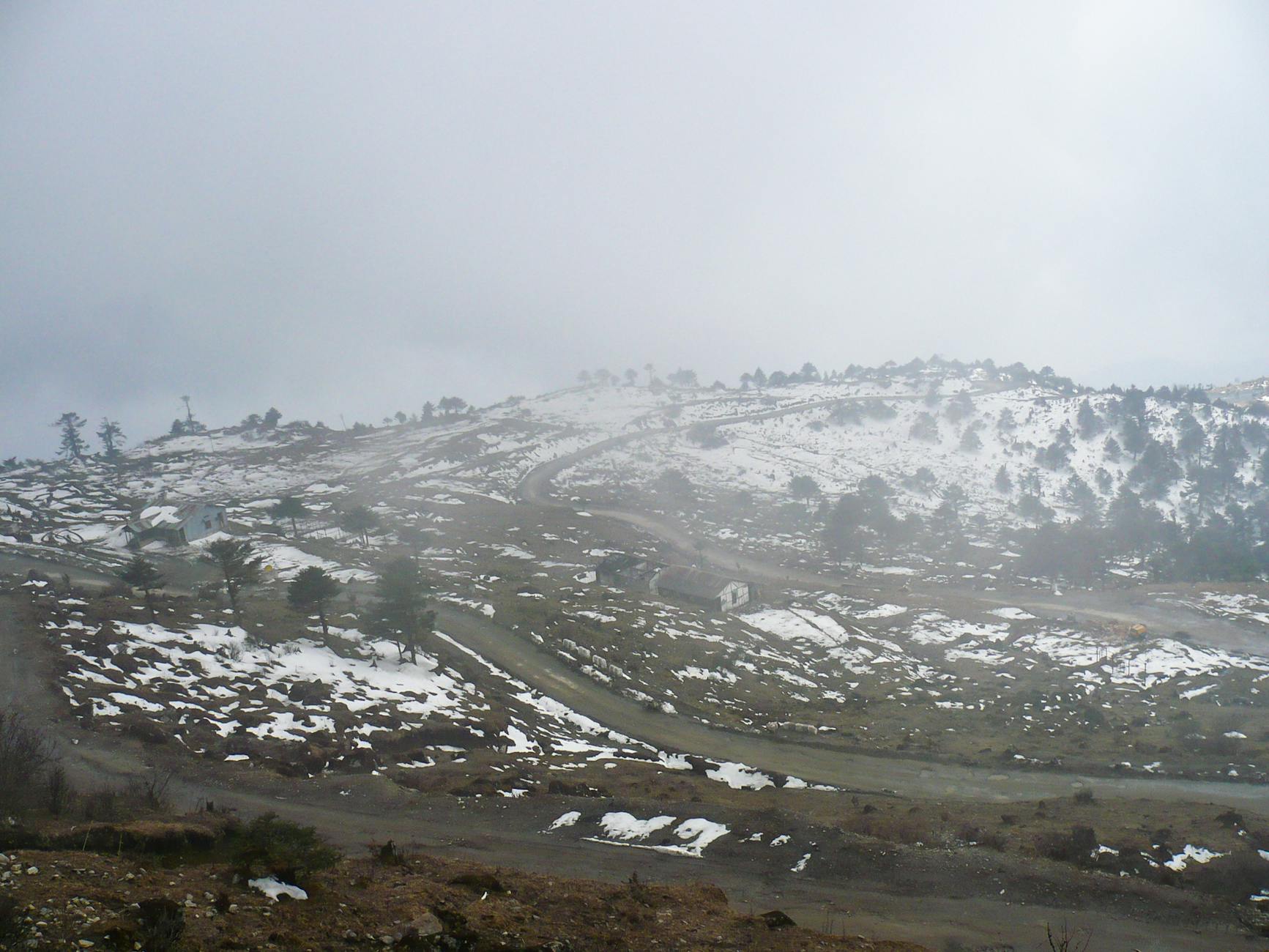
Fly from Dimapur to Tezpur (Assam) and drive to Tawang via the Sela Pass (5-6 hours). Remember your Inner Line Permit. The drive over Sela Pass at 13,700 feet is one of the great mountain drives in India.
- Tawang Monastery — the largest monastery in India and second largest in the world. Founded in 1681, it sits at 10,000 feet with views that make you understand why monks chose this location.
- Madhuri Lake (Shonga-tser Lake) — a glacial lake surrounded by mountains at high altitude. Still worth visiting despite the crowds.
- Bum La Pass — the India-China border, accessible with your Inner Line Permit. Standing at the border is a quietly dramatic travel experience.
Days 9-10: Manipur — The Jewel of India
Fly to Imphal. Manipur is the state most likely to surprise you and least likely to be on your original itinerary. It should be on everyone’s.
Loktak Lake
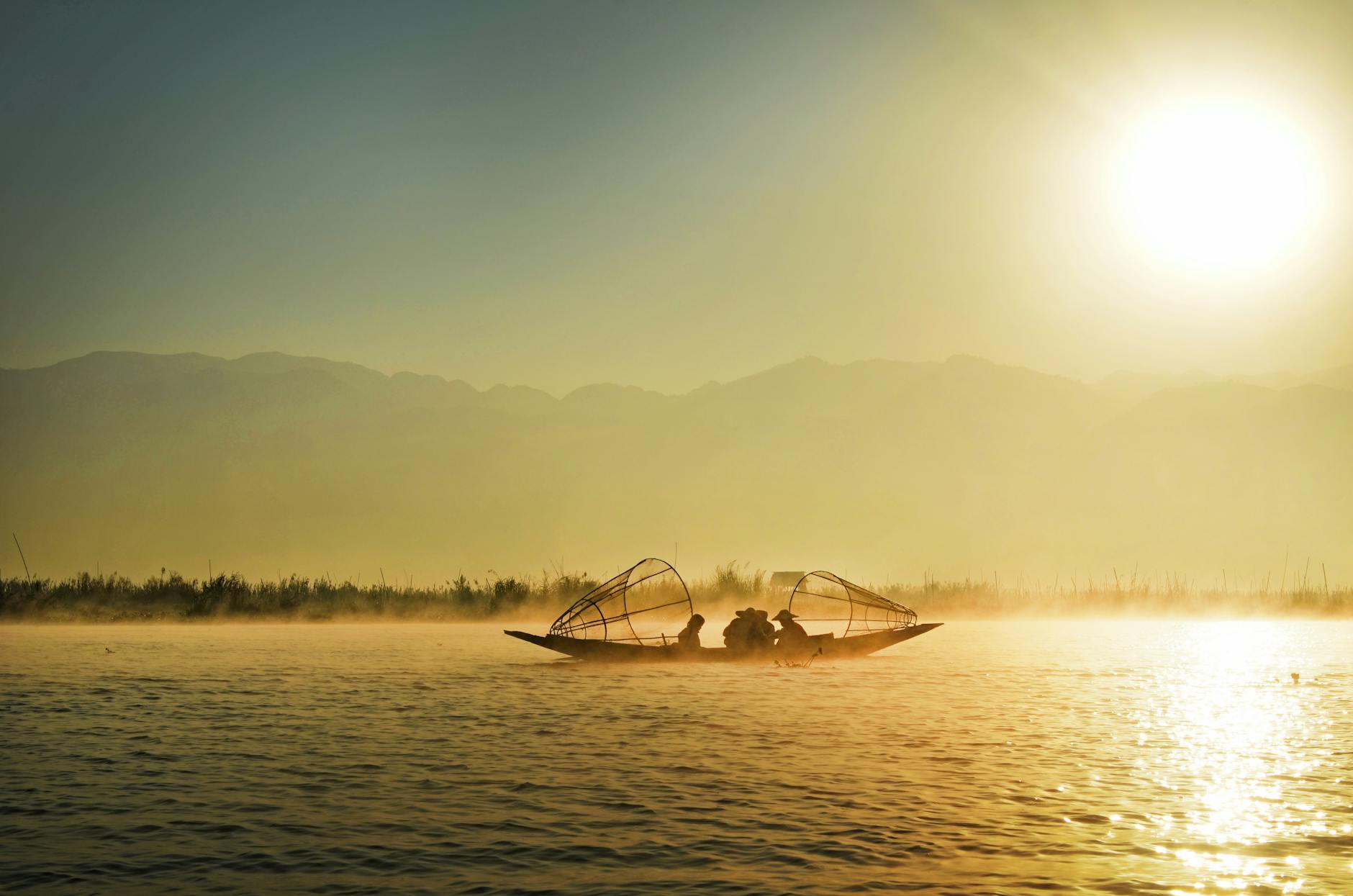
Loktak is the largest freshwater lake in Northeast India and home to phumdis — floating islands of vegetation unique to this lake in the entire world. A boat ride at dawn, with the phumdis emerging from the mist and the fishermen setting their nets, is one of the most beautiful things I have seen in 40+ countries.
- Keibul Lamjao National Park — the only floating national park in the world, home to the endangered Sangai deer (the dancing deer)
- Ima Keithal (Mothers’ Market) in Imphal — a market run entirely by women for centuries. One of the most remarkable markets in Asia.
- Kangla Fort — the ancient seat of the Meitei kingdom, now a beautifully maintained historical park
Days 11-12: Mizoram — The Land of the Blue Mountain
Fly to Aizawl. Mizoram is the most overlooked state in this itinerary and one of the most rewarding. The Mizo people are among the most literate and welcoming in India.
- Aizawl — built on steep hills, architecturally unlike anything else in India. The Mizoram State Museum is excellent.
- Phawngpui (Blue Mountain) — the highest peak in Mizoram. The rhododendron forests in spring are spectacular.
- Reiek Heritage Village — a traditional Mizo village with sweeping views over the hills
Days 13-14: Sikkim — Mountains, Monasteries and the Best Views in India
Fly to Bagdogra and drive to Gangtok (4 hours). Sikkim is the smallest state in Northeast India and the most visited — but even popular areas feel uncrowded by Indian standards.
Day 13 — Gangtok and surroundings
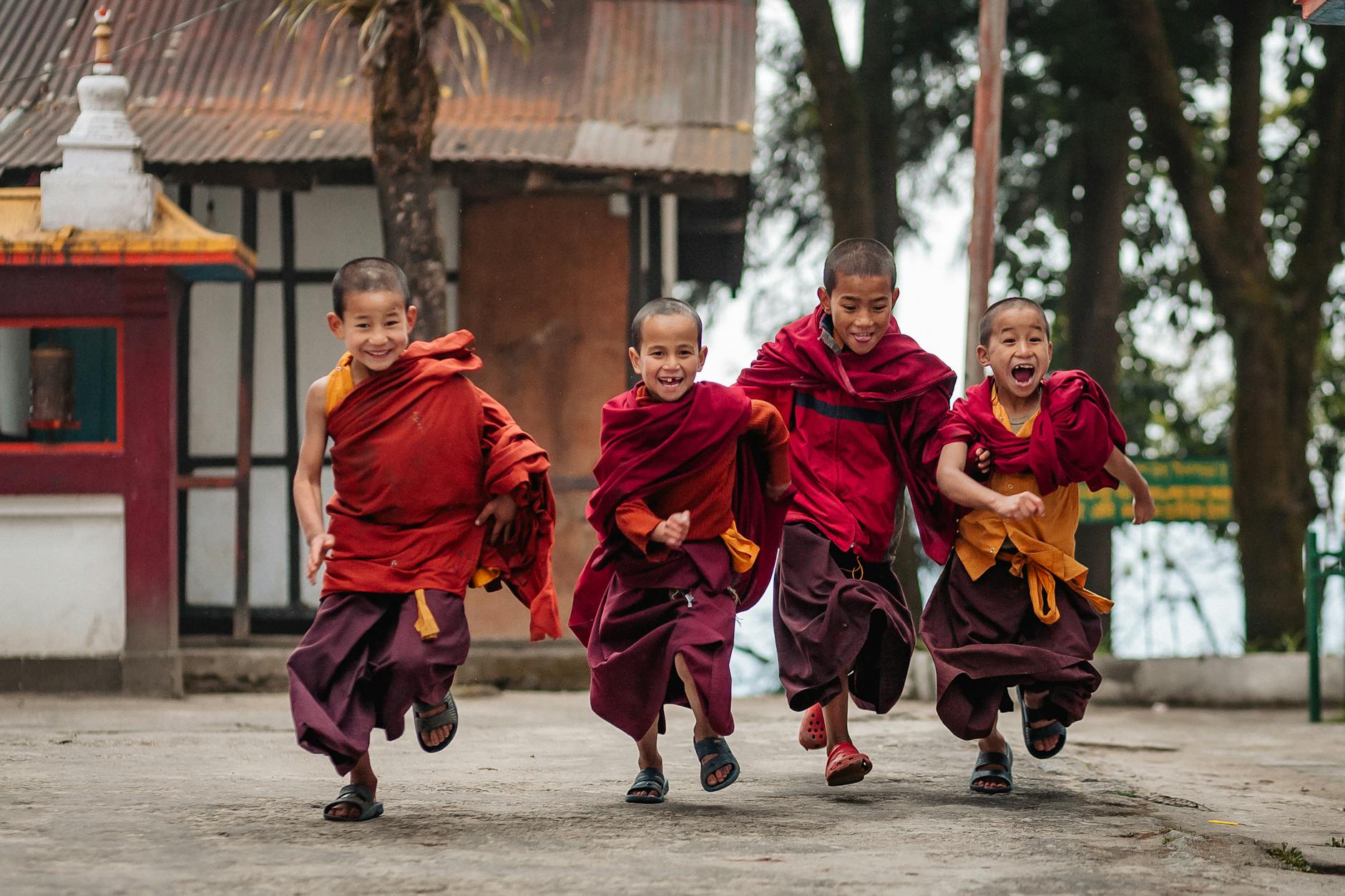
- Rumtek Monastery — one of the most important monasteries in Tibetan Buddhism, 24km from Gangtok
- MG Marg — Gangtok’s pedestrian street. Walk it in the evening when it comes alive.
- Tsomgo Lake — glacial lake at 12,400 feet, 40km from Gangtok. Beautiful in any season.
Day 14 — North Sikkim
North Sikkim requires a separate permit and is worth every rupee. Gurudongmar Lake at 17,100 feet is one of the highest lakes in the world. End your 14 days with dinner in Gangtok with views of Kangchenjunga turning pink in the evening light. You will plan your return trip on the flight home.
Practical Information: Everything You Need to Know
| Category | Details |
|---|---|
| Main Entry Airports | Guwahati (main hub), Imphal, Dimapur, Bagdogra (for Sikkim) |
| Getting Around | Shared taxis between capitals, private cab for Arunachal, internal flights save time |
| Where to Stay | Homestays are the best option — cheap, comfortable, home-cooked food |
| Budget (per day) | Budget: Rs 1,500-2,500 | Mid-range: Rs 3,000-5,000 |
| Must-Try Food | Jadoh (Meghalaya), smoked pork bamboo shoot (Nagaland), Loktak fish (Manipur) |
| Book in Advance | Kaziranga jeep safaris, Tawang accommodation, Hornbill Festival period |
What Nobody Tells You Before You Go to Northeast India
In every guide I have read about Northeast India, these things are missing. They are the things I most needed to know:
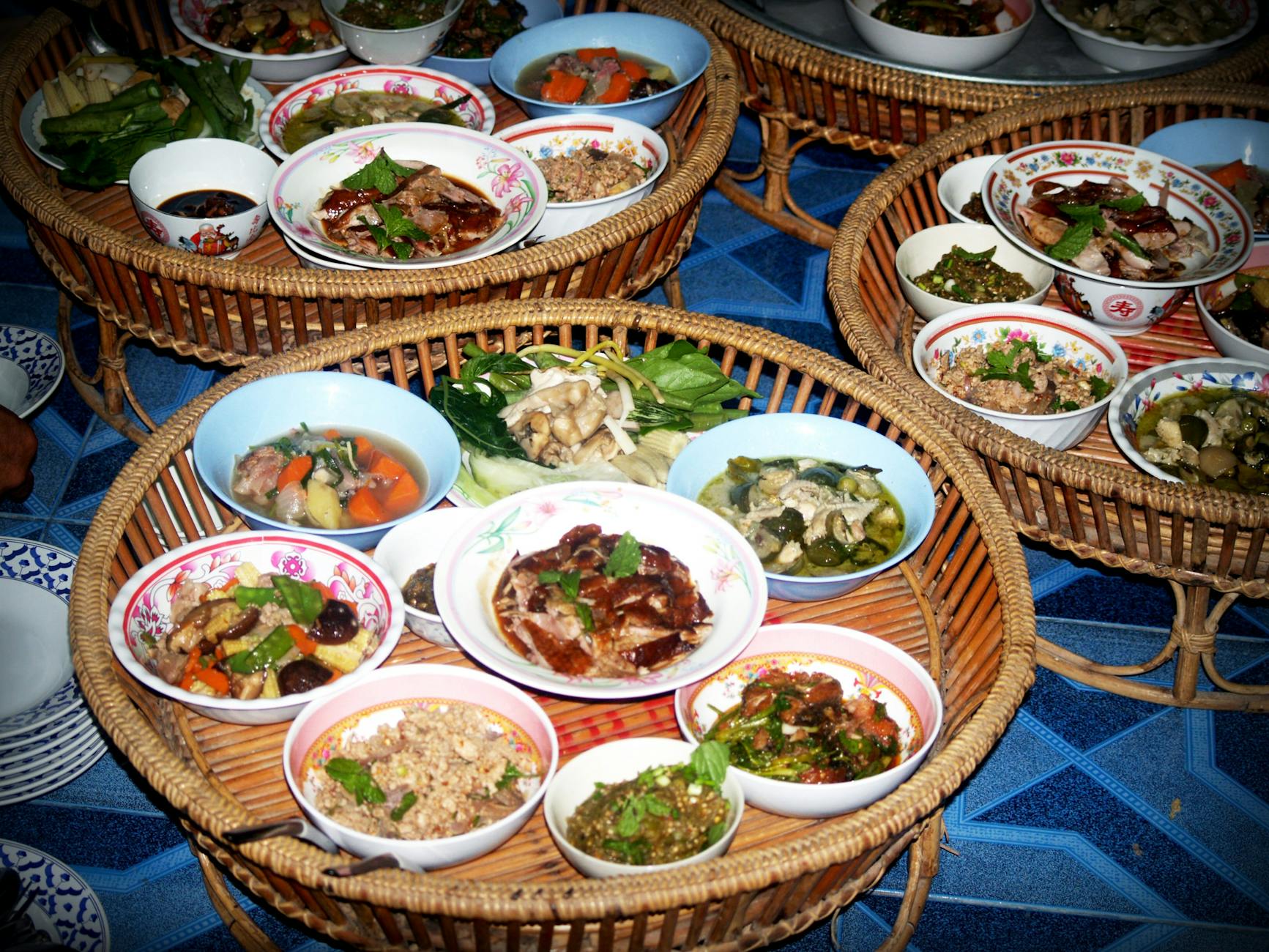
- The food will surprise you completely. The smoked meats in Nagaland, the fish preparations in Manipur, the simple rice and pork in Meghalaya — this is some of the best food in India and almost nobody talks about it.
- People will want to talk to you, especially in Nagaland and Manipur. Do not walk past. Sit down. Accept the tea. The conversations are worth more than any sight.
- The distances are deceptive. 100km in Northeast India can take 4 hours. Build slack into your itinerary.
- English is widely spoken across the region — in many states it is the official language. Hindi less so. Learn ‘thank you’ in each local language. It will mean everything.
- The region is extraordinarily safe for solo travellers, including solo women. Crime rates are low and the culture of hospitality is genuine and deep.
- You will want to come back before you have even left. Start planning your return trip now.
Northeast India Is Not a Destination. It Is a Way of Seeing.
I have been to to places and have broken a world record. I have written books about travel and the things it does to the person brave enough to keep going.
And I will tell you honestly: Northeast India is in the top five places I have ever been. Not because of any single sight or experience, but because of the cumulative effect of being somewhere that feels genuinely different, genuinely itself, genuinely unhurried.
Go now, while it is still like this. Go slowly. Stay longer than you planned. Eat everything. Talk to everyone. Let it surprise you.
It will.
“The Northeast is not a hidden gem. It is a hidden world. And like all worlds worth discovering, it will quietly become one of the most important places you have ever been.” — Shivi Goyal
💌 Have you been to Northeast India? Which state was your favourite — or which are you most excited to visit first? Tell me in the comments below. And subscribe to Spirited Blogger for weekly travel guides from someone who travels with intention, not just a passport.
Useful Resources:
Also read on Spirited Blogger: