

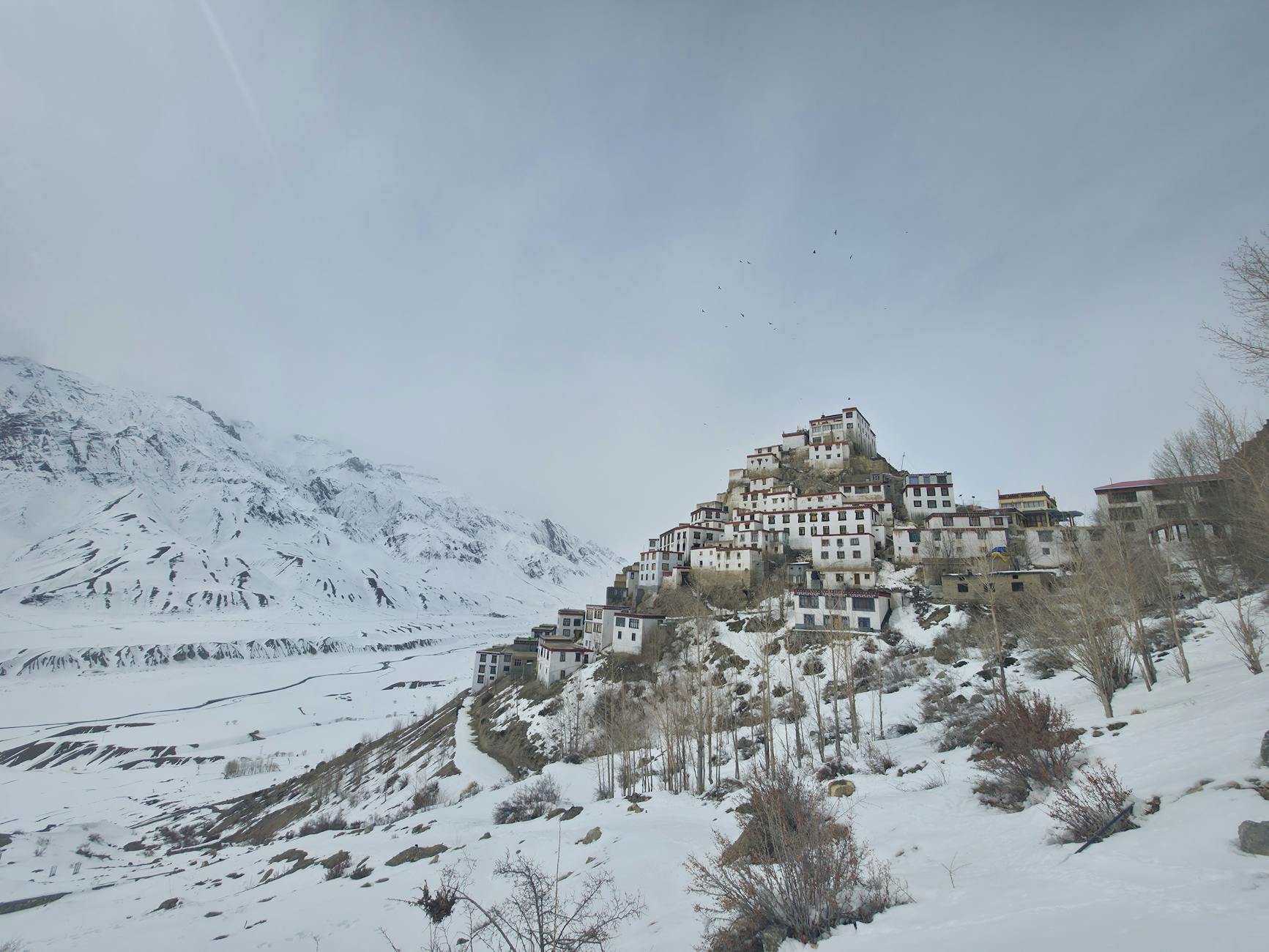
Everyone who goes to Spiti Valley goes in summer. June to September, when the roads are open, the sky is cobalt blue and the landscape — grey rock, brown earth, impossibly green river — is as dramatic as anything I have seen in two decades of my solo travel. I have been to Spiti in summer and it is extraordinary. This guide covers everything you need to know about Spiti Valley winter travel.
Your Complete Spiti Valley Winter Travel Guide
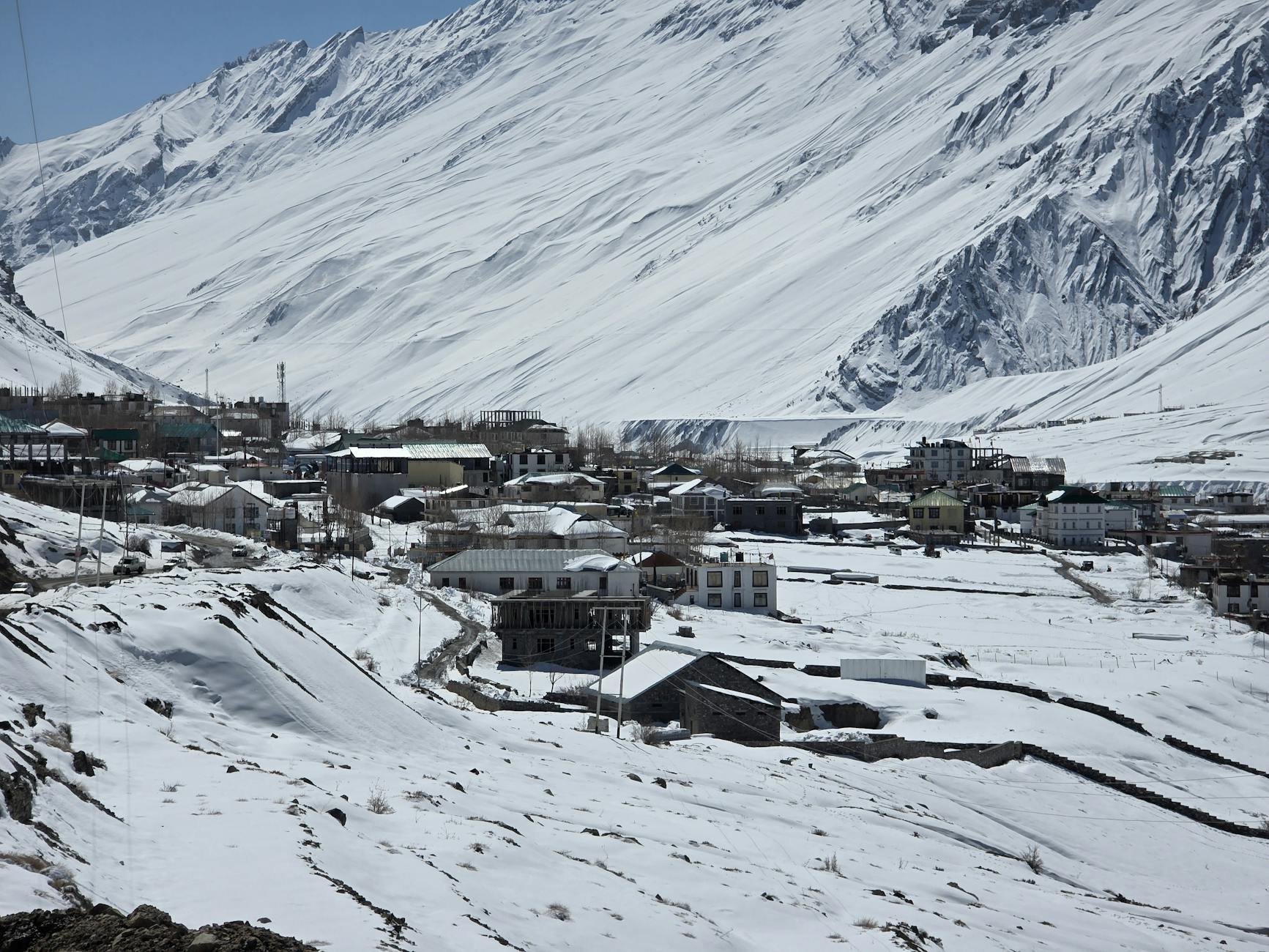
Arriving in Kaza in January at minus 15 degrees, the entire valley white and the sky so full of stars, I stood outside my guesthouse for twenty minutes before going in. Not because I was comfortable. Because I could not make myself stop looking.
Winter Spiti is not for everyone. It requires preparation, physical resilience, a tolerance for genuine cold and a willingness to be in a place operating at its most essential self. The tourist infrastructure disappears, many guesthouses close, some roads become impassable. The valley turns inward the way all living things turn inward in winter, and what you find inside it is something the summer visitor never quite gets to see.
This is what I found. And this is how to find it yourself, safely and with your eyes open.
Summer Spiti is extraordinary. Winter Spiti is something else entirely — it is the place stripped to its bones, showing you exactly what it is made of. I love it more – Shivi Goyal
Why Winter? Honest Answer: Less Crowded
Let me give you a legit argument, because it is not obvious and it deserves to be made properly.
The silence is different
In summer, Spiti has become genuinely popular. The cafés in Kaza are full of travellers comparing treks. The road from Manali sees convoys of motorcycles. Key Monastery has tour groups. None of this is bad. I understand the appeal completely and I have been part of those summer crowds. But it means that what makes Spiti extraordinary the silence, the remoteness, the feeling of being genuinely far from ordinary life is diluted.
In winter, that silence returns completely. The valley is yours in a way that no summer visitor ever fully experiences. The monks at Key Monastery have time for conversations that would be impossible in July. The family in whose home you are staying becomes, genuinely, your family for those days because you are all there is for each other.
The sky is different
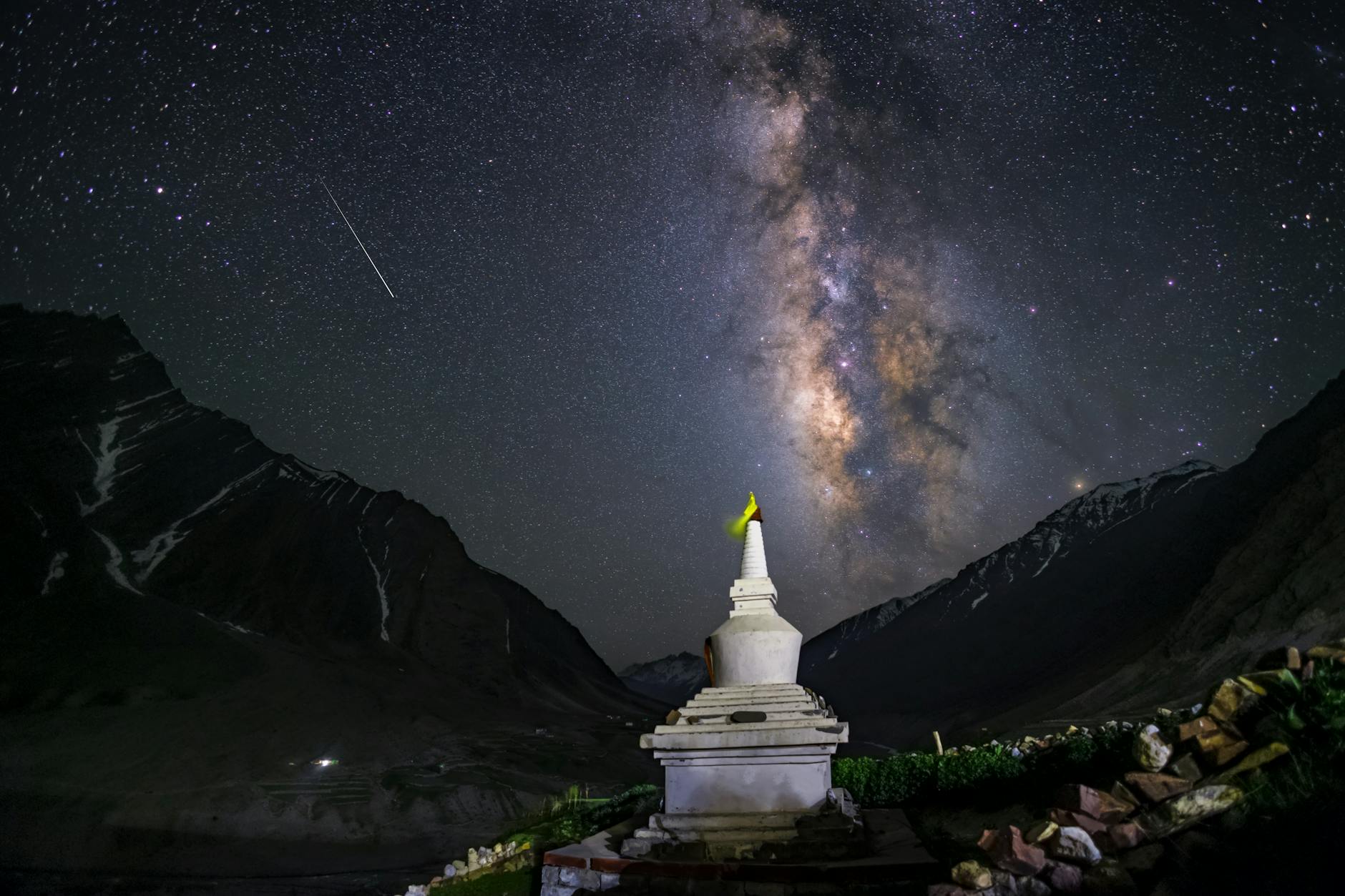
In winter Spiti has the clearest sky I have ever seen anywhere in the world. No monsoon haze, no summer dust. The air at altitude in January is so clean and so cold that every star is crisp. I have seen the Milky Way from Spiti in winter with my naked eye in a way that I have only otherwise managed in the Atacama Desert in Chile. If you care about stars and you should, because almost no one in Indian cities ever truly sees them anymore, Spiti in winter is one of the great stargazing destinations on earth.
The snow leopard
This is the reason many serious wildlife enthusiasts make the winter journey. The snow leopard comes down from higher altitudes in winter, following its prey bharal (blue sheep) — to the lower valley slopes. Spiti in winter is one of the best places in the world to see a snow leopard in the wild. I have not seen one yet. I will go back until I do.
The Reality of Winter Spiti: What Nobody Tells You
I believe in real travel writing. So here’s my version of what winter Spiti is actually like: It is genuinely cold Temperatures in Kaza in January range from minus 15 to minus 25 degrees Celsius at night. During the day, with sunshine, it can reach minus 5 to 0. This is not bracing mountain cold. This is the kind of cold that makes your water bottle freeze solid overnight, that makes starting a motorcycle engine a twenty-minute project, that requires layering with a seriousness that most Indian travellers have never had to apply.
Some things are closed. Many home stays in smaller villages close in winter. Several restaurants in Kaza close. The ATM in Kaza is the only one for a very long distance and it is not always reliable. Carry cash. Carry more cash than you think you need.
Some roads are unpredictable: Rohtang Pass road from Manali is closed in winter, which means the only year-round access to Spiti is via Shimla through the Kinnaur Valley, a longer but genuinely beautiful route. Within the valley, roads between villages can become impassable after heavy snowfall. Build flexibility into your itinerary.
The people are extraordinary: People who remain in Spiti through winter are a particular kind of person. Self-sufficient, calm, warm in the way that people who depend on each other for survival tend to be warm. Your guesthouse host in Kaza in January is not in the hospitality business in the way that a hotel manager in Shimla is. They are sharing their home with you. Treat it accordingly.
Getting to Spiti in Winter: Your Only Route
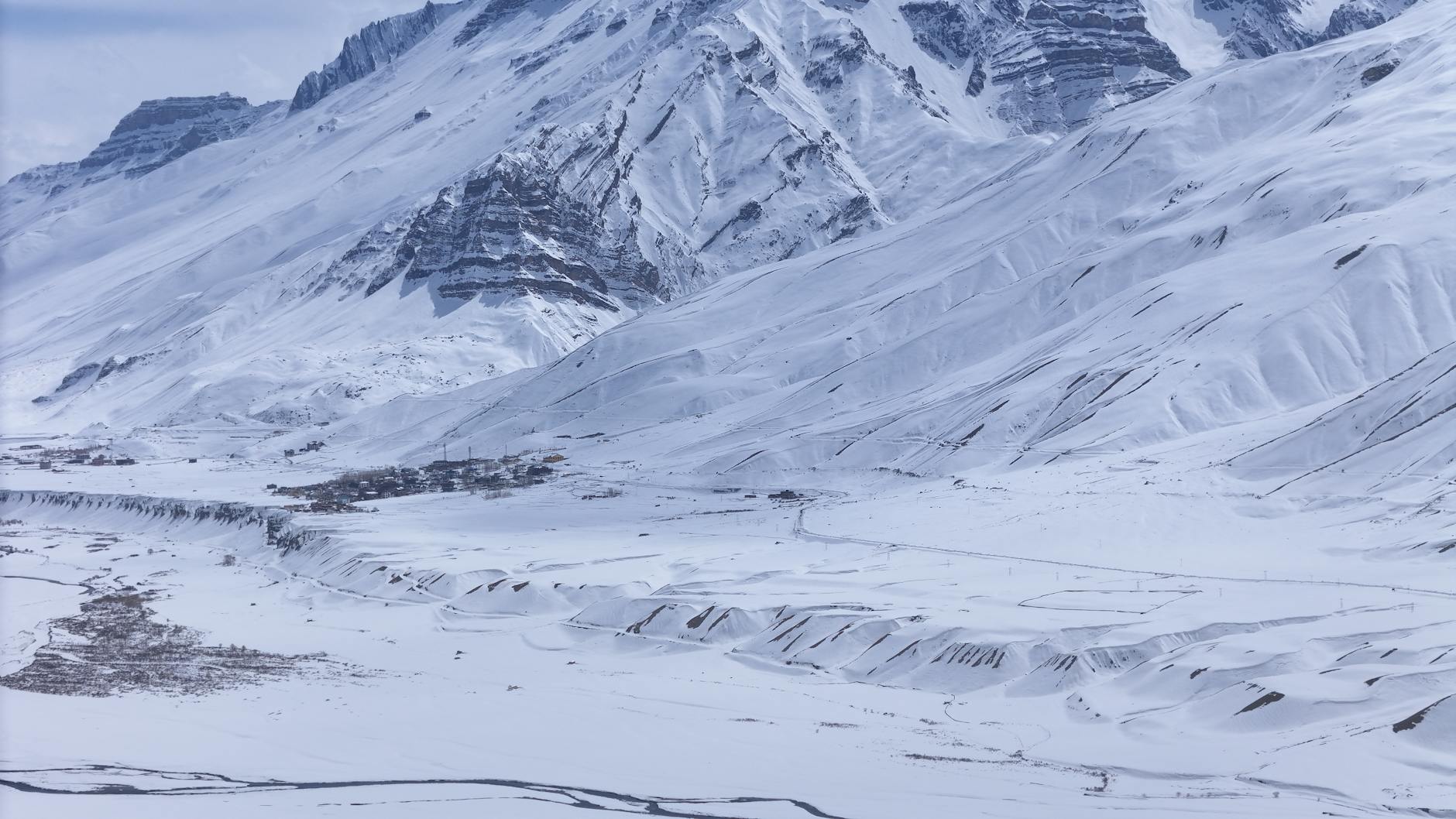
In winter, there is only one way in and one way out: the route via Shimla and the Kinnaur Valley. The Rohtang Pass (Manali route) is closed from approximately November to May. Do not attempt it in winter without specific local knowledge and appropriate equipment — people die on mountain passes in winter in India every year.
The Shimla — Spiti Route (the winter route)
- Shimla to Rampur: 3-4 hours by bus or shared taxi — beautiful river valley, the last major town before the mountains close in
- Rampur to Reckong Peo (Kinnaur district headquarters): 2-3 hours — the valley narrows dramatically here and the drive becomes genuinely spectacular
- Reckong Peo to Nako: 3 hours — Nako is a small village with a beautiful frozen lake in winter, worth an overnight stop
- Nako to Tabo: 2-3 hours — Tabo Monastery is one of the oldest continuously active monasteries in the Himalayas (996 AD), do not pass through without stopping
- Tabo to Kaza: 2 hours — Kaza is the district headquarters of Spiti, your base for the valley
Total journey from Shimla: approximately 12-14 hours spread over 2 days. I recommend the 2-day version — Nako overnight, Tabo morning, Kaza afternoon. You arrive having already experienced the valley rather than just passed through it.
Getting to Shimla
- Train from Delhi: the Kalka-Shimla toy train from Kalka is one of the great railway journeys in India — a UNESCO World Heritage railway, 96km, 5-6 hours, book well in advance
- Bus from Delhi: HRTC Volvo overnight buses to Shimla, Rs 600-900, depart from ISBT Kashmiri Gate
- Flight to Chandigarh and taxi to Shimla: 3 hours, good option if time is limited.
Where to Stay in Spiti in Winter: The Guesthouses That Remain Open
Most guesthouses in Spiti advertise on booking platforms for summer but do not update their winter availability. The most reliable approach is to call ahead — every guesthouse owner in Spiti has a mobile number and they are genuinely happy to hear from you.
| Location | What to Know in Winter |
|---|---|
| Kaza (district HQ) | Most reliable base — several guesthouses open year-round, small market, ATM (check it works), petrol pump |
| Kibber village | 15km from Kaza, best base for snow leopard tracking, very few guesthouses open — book well ahead |
| Langza village | 20km from Kaza, famous for fossils and Buddha statue, 1-2 homestays open in winter — magical |
| Hikkim village | 22km from Kaza, has the world’s highest post office (open year-round), basic homestay available |
| Tabo | On the route in, excellent monastery guesthouse — warm, simple, run by the monastery itself |
My personal recommendation: base yourself in Kaza for 3-4 nights and do day trips to the villages. In winter, trying to stay in multiple places adds logistical complexity that is not worth the trouble. Kaza is small, warm (relatively), has reliable food options and is the best base for snow leopard tracking excursions.
What to Do in Spiti in Winter: My Itinerary
Day 1-2: Arrive and Acclimatise
Do not attempt anything strenuous on your first full day in Kaza. You are at 12,500 feet. The air is thin. The cold is real. Walk slowly. Drink water constantly. Eat the simple, warming food your guesthouse prepares — tsampa porridge, thukpa soup, butter tea. Your body needs 24-36 hours to adjust before you ask anything more of it.
- Walk around Kaza town — it takes about 30 minutes and gives you a sense of the scale and character of the place in winter
- Visit the small local monastery in Kaza — quiet, intimate, the monks are often willing to talk
- Watch the sunset from anywhere — Spiti sunsets in winter, with the snow turning pink and orange, are extraordinary
Day 3: Key Monastery
Key Monastery is 14km from Kaza and sits at 13,668 feet on a cliff above the valley. In winter, with snow on every surface and the valley white below, it is one of the most beautiful things I have ever seen. The drive there on a clear winter morning, with fresh snow on the road and the mountains blazing white, took my breath away — partly from altitude, partly from beauty.
- Hire a local driver from Kaza rather than driving yourself in winter, as they know the road conditions far better.
- Arrive in the morning when the monks are more active, since morning prayers start around 6am
- Ask your guesthouse host to arrange an introduction to the head monk if you want a deeper experience. This hospitality is almost always offered.
- Bring something warm for your feet specifically, because standing on stone monastery floors in minus temperatures requires insulated boots.
Day 4: Snow Leopard Tracking
This is, without doubt, the reason most serious visitors come to Spiti in winter. The snow leopard, locally called the shan, is one of the most elusive animals on earth. Yet Spiti Valley, and particularly the slopes around Kibber and Chicham, is one of the most reliable places in the world to see one.
Fresh snow leopard tracks were the closest I got — no sighting, but evidence enough that they were near. Meanwhile, the bharal they hunt were easier to spot, moving in herds across the slopes above Kibber. Even so, what proved far more rewarding was spending two full days with Dorje a local tracker who has spent fifteen years reading this landscape the way most of us know our own neighborhood. In those two days, I learned more about patience, attention and the natural world than almost any other experience I can recall.
- Hire a local tracker — the Snow Leopard Conservancy has trained guides in the valley, ask at your guesthouse in Kaza
- Go out by 6am — snow leopards are most active at dawn and dusk
- Bring serious binoculars — the tracking involves scanning slopes at distance, naked eye sightings are rare
- Be prepared to spend 6-8 hours outdoors in deep cold — dress for it, carry hot tea in a thermos
- Manage expectations honestly — sightings are not guaranteed. The tracking itself, with a skilled guide in this landscape, is the experience regardless of outcome.
Day 5: The Villages — Langza, Hikkim, Komic
These three villages sit above Kaza at altitudes between 13,500 and 15,000 feet and are connected by a road that is theoretically passable in winter with the right vehicle. In practice, you need a 4WD and a driver who knows it well. The reward is extraordinary.
- Langza — the fossil village, where Jurassic-era sea creatures (ammonites) emerge from the earth as the glaciers recede. There is a large Buddha statue at the edge of the village that looks out over the valley like a quiet guardian.
- Hikkim — home to the world’s highest post office (4,440m), which remains open year-round. Post a letter home. It will be the best postcard you ever sent.
- Komic — one of the highest permanently inhabited villages in the world (4,587m). The monastery here is small and rarely visited even in summer. In winter you may well have it to yourself.
Day 6: Tabo Monastery — Before You Leave
If you entered Spiti via the Kinnaur Valley route, you passed through Tabo. If you did not stop long enough, go back before you leave. Tabo Monastery was founded in 996 AD and is one of the oldest continuously functioning monasteries in the Himalayan region. The main temple contains original 10th-century murals — not restored, not replicated, original — that are extraordinary in their detail and their age.
I sat in the main temple at Tabo for an hour in near darkness, the butter lamps casting a low yellow light on a thousand-year-old painted wall, and I thought about time in a way I rarely manage in daily life. That hour is one of my most treasured travel memories. Not from Spiti in summer. From Spiti in winter, when it was quiet and cold and the monastery felt like the place it actually is: a living repository of something ancient and irreplaceable.
What to Pack for Spiti in Winter: The Non-Negotiable List
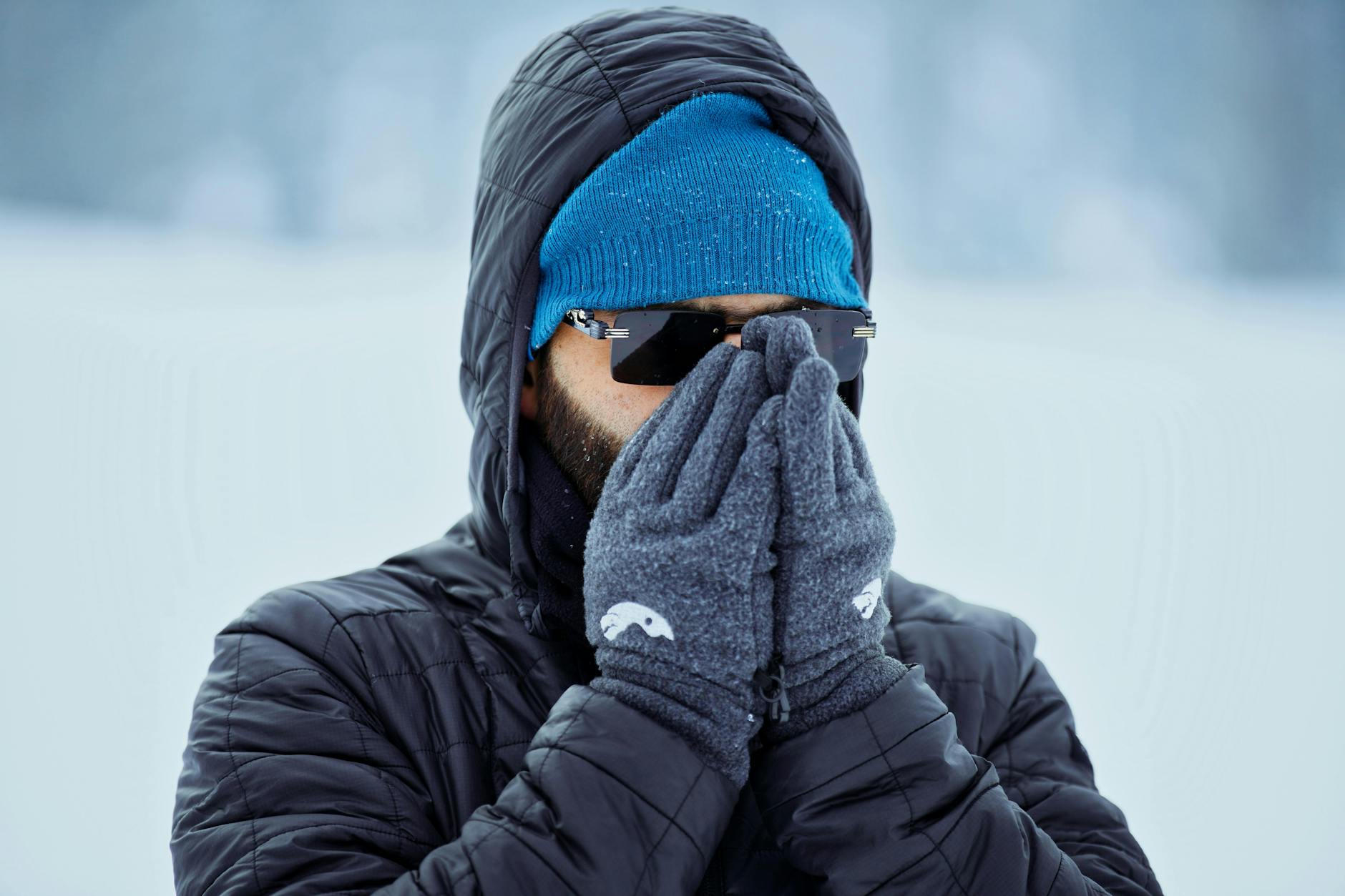
I have made every packing mistake possible in cold mountain destinations. Here is what I have learned the hard way:
Clothing — non-negotiable
- Thermal base layers (top and bottom), merino wool is significantly better than synthetic at this temperature range, worth the investment
- Mid-layer fleece, a proper fleece, not a thin one
- Down jacket, rated to at least minus 20 degrees. This is not optional.
- Windproof outer shell, down is useless in wind without a shell over it
- Insulated waterproof boots, your feet will be in snow. Regular sports shoes are not adequate.
- Thermal socks, two pairs minimum, wool preferred
- Balaclava or thermal hat that covers ears,frostbite on exposed ears happens quickly at these temperatures
- Insulated gloves, inner liner gloves plus outer mittens is the most flexible system
- Neck gaiter or scarf, exposed neck loses heat rapidly
Health and safety — non-negotiable
- Diamox (Acetazolamide) for altitude sickness, consult your doctor before travel, available at pharmacies in Shimla and Reckong Peo
- Lip balm and heavy moisturiser — the air at altitude in winter is brutally drying
- High SPF sunscreen — snow reflects UV at altitude, sunburn in winter at 13,000 feet is genuinely possible
- Prescription medications in sufficient supply — the nearest pharmacy with reliable stock is in Reckong Peo
- Portable charger and extra batteries, cold drains phone batteries extremely rapidly (a full charge can last 2-3 hours at minus 15)
- Cash — Rs 10,000 minimum beyond what you think you need. The ATM in Kaza is not always reliable.
Practical Information: Everything Else You Need to Know
| Category | Details |
|---|---|
| Best months for winter visit | December to February for snow leopards and deep winter; November and March are shoulder months |
| Temperature range | Day: -5 to 0°C | Night: -15 to -25°C | Dress for the night temperature at all times |
| Connectivity | Airtel has limited coverage in Kaza. BSNL is more reliable in the valley. Don’t depend on internet. |
| Altitude sickness | Kaza is at 12,500 feet. Acclimatise for 1-2 days before trekking or strenuous activity |
| Fuel | Fill your vehicle in Kaza — the next reliable petrol pump is very far. Don’t let the tank drop below half. |
| Budget per day | Rs 1,500-2,500 including guesthouse, food and local transport — winter is cheaper than summer |
| Permits | No special permits required for Indian nationals. Foreign nationals need Inner Line Permit for certain areas — check current rules before travel. |
Why I Will Keep Going Back to Spiti in Winter
I have been to Spiti Valley three times. Once in summer, twice in winter. The summer trip was beautiful. The winter trips were transformative. I wrote an entire post about what I mean by transformation through travel. I mean it in a specific sense: I came back different. Not dramatically. Not overnight. Certain experiences deposit something in you that you carry forward.
There is something about being in a place that is genuinely extreme. It is genuinely cold, genuinely remote, genuinely demanding — that clarifies things. The valley in winter does not perform for you. It does not rearrange itself to be picturesque. It simply is what it is: ancient, severe, beautiful, completely indifferent to your comfort. In that stark and honest landscape, I have found a kind of peace that I find almost nowhere else.
The funny moment
I also find it very funny that I, a person who grew up in the warmth of Maharashtra, have become someone who seeks out minus 15 degree nights in the Himalayas voluntarily and repeatedly. Travel does that. It shows you versions of yourself you did not know existed. The version of me that loves Spiti in winter is one of my favourites.
Frequently Asked Questions: Spiti Valley in Winter
These are the questions I am asked most often about visiting Spiti Valley in winter. If you have a question not covered here, ask in the comments below.
Can you visit Spiti Valley in winter?
Yes, you can visit Spiti Valley in winter, but it requires serious preparation. The Rohtang Pass (Manali route) is closed from November to May, so the only access is via Shimla and the Kinnaur Valley. Temperatures drop to minus 15 to minus 25 degrees Celsius at night. Several homestays and restaurants close, but Kaza remains accessible year-round with accommodation, food and a petrol pump. Winter visitors who prepare properly are rewarded with silence, clear skies, snow leopard sightings and an experience completely unlike the summer crowd.
What is the best time to visit Spiti Valley in winter?
December to February is peak winter in Spiti, the deepest cold, the most snow, and the best chance of a snow leopard sighting. November and March are shoulder months with milder conditions and some summer infrastructure still open. January is the coldest month but also the most rewarding for wildlife trackers and those seeking the valley at its most extreme. If this is your first winter trip to Spiti, late November or early March reduces the difficulty while still giving you the essential winter experience.
How do you get to Spiti Valley in winter?
In winter, the only route is via Shimla and the Kinnaur Valley. The journey from Shimla to Kaza takes approximately 12-14 hours spread over two days. The recommended route: Shimla → Rampur → Reckong Peo → Nako (overnight) → Tabo → Kaza. Do not attempt the Manali-Rohtang Pass route in winter — it is closed and dangerous. To reach Shimla, take the Kalka-Shimla toy train (UNESCO World Heritage railway), an overnight HRTC Volvo bus from Delhi, or fly to Chandigarh and take a taxi.
Is Spiti Valley safe in winter?
Spiti in winter is safe if you prepare properly and travel with realistic expectations. The key risks are altitude sickness (Kaza is at 12,500 feet), extreme cold, and unpredictable road conditions after heavy snowfall. Carry Diamox (consult your doctor), dress for minus 20 degrees, carry more cash than you think you need (the ATM in Kaza is not always reliable), and build flexibility into your itinerary. Hire local drivers who know winter road conditions rather than driving yourself. The local community is exceptionally warm and helpful — you are not alone.
Can you see snow leopards in Spiti Valley in winter?
Spiti Valley in winter is one of the best places in the world to see a snow leopard. The snow leopard descends from higher altitudes in winter, following the bharal (blue sheep) to the lower valley slopes around Kibber and Chicham. Hire a trained local tracker, the Snow Leopard Conservancy has guides in the valley. Go out by 6am, carry serious binoculars, and be prepared for 6-8 hours outdoors. Sightings are not guaranteed, the snow leopard is one of the most elusive animals on earth, but the tracking experience itself, with a skilled guide in this extraordinary landscape, is worthwhile regardless.
What should I pack for Spiti Valley in winter?
The non-negotiables: merino wool thermal base layers (top and bottom), a mid-layer fleece, a down jacket rated to at least minus 20 degrees, a windproof outer shell, insulated waterproof boots, thermal socks (two pairs), a balaclava or thermal hat, insulated gloves with liner, and a neck gaiter. For health: Diamox for altitude sickness (consult your doctor), high SPF sunscreen (snow reflects UV at altitude), lip balm, heavy moisturiser, all prescription medications in sufficient supply, and a portable charger (cold drains phone batteries in hours). Carry cash around Rs 10,000 minimum above what you think you need.
How much does it cost to travel to Spiti Valley in winter?
Spiti in winter is cheaper than summer. Budget Rs 1,500-2,500 per day covering homestays, food and local transport. A basic room in Kaza costs Rs 400-800 per night in winter. Local meals (thukpa, tsampa, dal chawal) cost Rs 100-200. Hiring a local driver for village day trips costs Rs 800-1,500 depending on distance. Snow leopard tracking with a guide costs Rs 1,500-2,500 per day. Total trip cost for 6-7 days including transport from Shimla is approximately Rs 15,000-25,000 per person, excluding flights or train to Shimla.
Which monasteries are open in Spiti Valley in winter?
Key Monastery (14km from Kaza, 13,668 feet) is open year-round and is one of the most beautiful winter experiences in India. Tabo Monastery (founded 996 AD) is open year-round and its original 10th-century murals are extraordinary, do not miss it on the Kinnaur Valley route in. The small Kaza monastery is open daily. Komic Monastery in Komic village is rarely visited even in summer and can be entirely yours in winter. Note that smaller village monasteries may have limited visiting hours in winter — ask your guesthouse host to arrange introductions.
Go in winter. Dress properly. Go slowly. Let it be exactly what it is.
The valley in winter does not perform for you. It is ancient, severe, beautiful and completely indifferent to your comfort. In that indifference, I have found a kind of peace I find almost nowhere else.— Shivi Goyal
💌 Have you been to Spiti Valley — summer or winter? I want to know what it did to you. Tell me in the comments below. And subscribe to Spirited Blogger for weekly travel guides from someone who keeps going back to the cold places because they keep giving her something she cannot find anywhere warmer.
Useful Resources:
Also read on Spirited Blogger: