

Originally published August 2021. Updated May 2026 with complete guide, how to reach, topography details and FAQs.
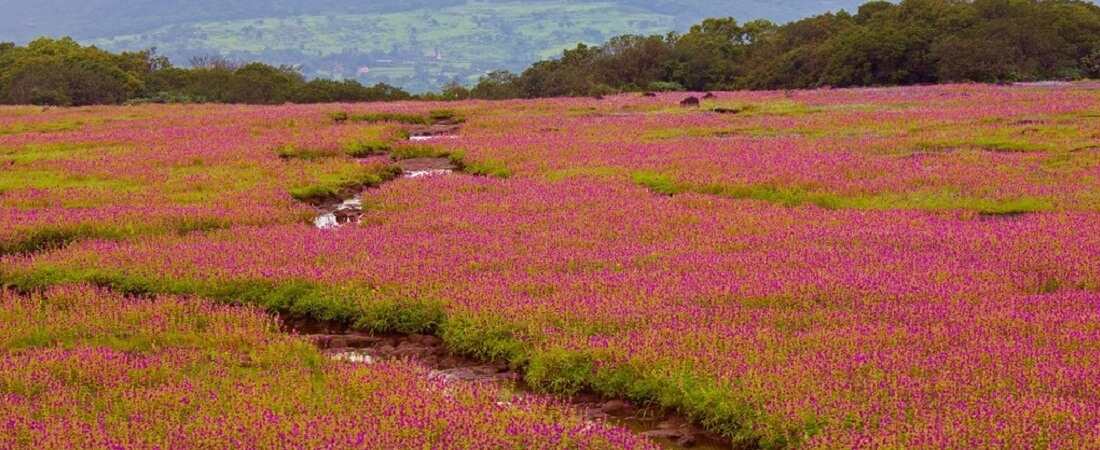
Planning to visit Kaas Pathar? The best time to visit is September — and here is everything you need to know before you go. There are places that look like they were made for a camera. And then there are places that make you put the camera down because you realise you are staring at something genuinely alive — something that the photograph will not capture and you know it. Kaas Plateau is the second kind.
I want to give you the complete picture before I tell you what it felt like to stand there. So here are the facts first.
| At a Glance | Details |
|---|---|
| Location | 25 km west of Satara city, Satara district, Maharashtra |
| Altitude | 1,200 metres above sea level |
| Area | Approximately 1,000 hectares (10 sq km) |
| UNESCO Status | World Natural Heritage Site since 2012 (Sahyadri Sub-cluster, Western Ghats) |
| Flowering Species | Over 850 species — 624 listed in the IUCN Red List, 39 found nowhere else on earth |
| Best Time to Visit | Mid-August to early October. Peak bloom: September. |
| Daily Visitor Limit | 3,000 per day — online booking mandatory, especially weekends |
| Entry Fee (2025) | Rs 100 per person (Indian). Rs 500 for foreign tourists. Free for children under 12. |
| Timings | 8:00 AM to 6:00 PM. Three time slots: morning, afternoon, evening. |
| Time Needed | 2-3 hours on the plateau. Budget a full day including travel. |
| Nearest Airport | Pune International Airport (~140 km, approx 3 hours) |
| Nearest Railway | Satara Railway Station (25-30 km from plateau) |
What Kaas Pathar Actually Is.
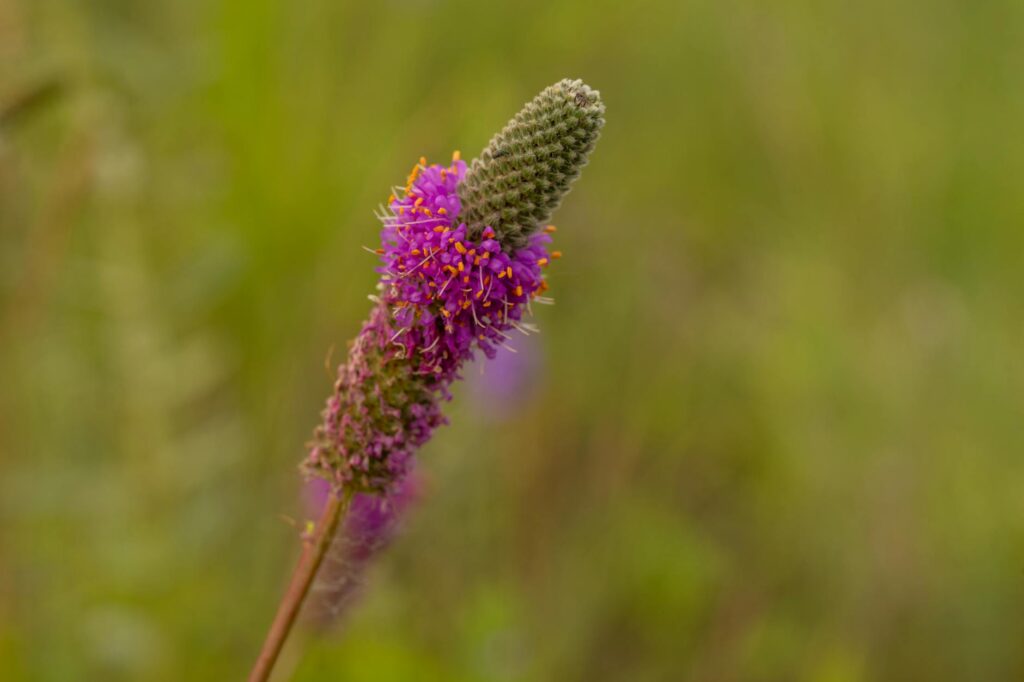
Kaas Pathar — locally called Kaas Plateau or, in Marathi, simply Kas — is not a garden. That is the most important thing to understand before you go. Nothing here has been planted or arranged. Every flower you see has grown because the specific combination of volcanic basalt rock, thin acidic soil, monsoon rainfall and altitude of this plateau creates conditions that exist almost nowhere else on earth.
This is why UNESCO recognised it in 2012 as part of the Western Ghats World Natural Heritage Site. Indeed, of the 850-plus flowering species recorded here, 624 are on the IUCN Red List of threatened or endangered species. Moreover, thirty-nine species are endemic — meaning they grow only here, on this plateau, and nowhere else in the world. Among these, the Waytura flower (Aponogeton satarensis) is now listed as critically endangered.
And Why It Matters
Every two to three weeks, the plateau changes colour as different species come into bloom and fade. As a result, the landscape looks different throughout the flowering season, and from early August to mid-October, the ground is rarely the same shade twice. In particular, the Karvi shrub (Strobilanthes callosa) creates one of the region’s most spectacular displays, with its mass purple bloom appearing once every eight years. Once that cycle arrives, entire hillsides turn violet. Meanwhile, other flowering species continue to emerge across the plateau. Consequently, the landscape shifts through shades of yellow, white, pink, and blue, before these colours eventually give way to the quiet brown tones of the exposed rock below. Besides the flowers, Kaas Pathar is also home to more than 200 species of birds.
In addition, it supports many endemic butterfly species. As a result, it is more than just a flower destination. Instead, it is a true biodiversity hotspot. Yet many visitors overlook birdwatching here, especially during the early morning hours of the peak season. I have been to the Valley of Flowers in Uttarakhand. I have walked through meadows in the Swiss Alps. I have seen spring arrive in Japan. And I will tell you: Kaas Plateau surprises you in a way that none of those places does, because you do not expect Maharashtra — loud, busy, industrial Maharashtra — to be hiding something this quiet and this wild.
| The flowers at Kaas are not performing for you. They are simply doing what they have done for thousands of years, in a cycle that has nothing to do with tourism or Instagram or any human preference. Standing in the middle of it makes you feel correctly small. — Shivi Goyal, Guinness World Record Holder and Author |
|---|
Best Time to Visit Kaas Pathar: Month-by-Month Guide
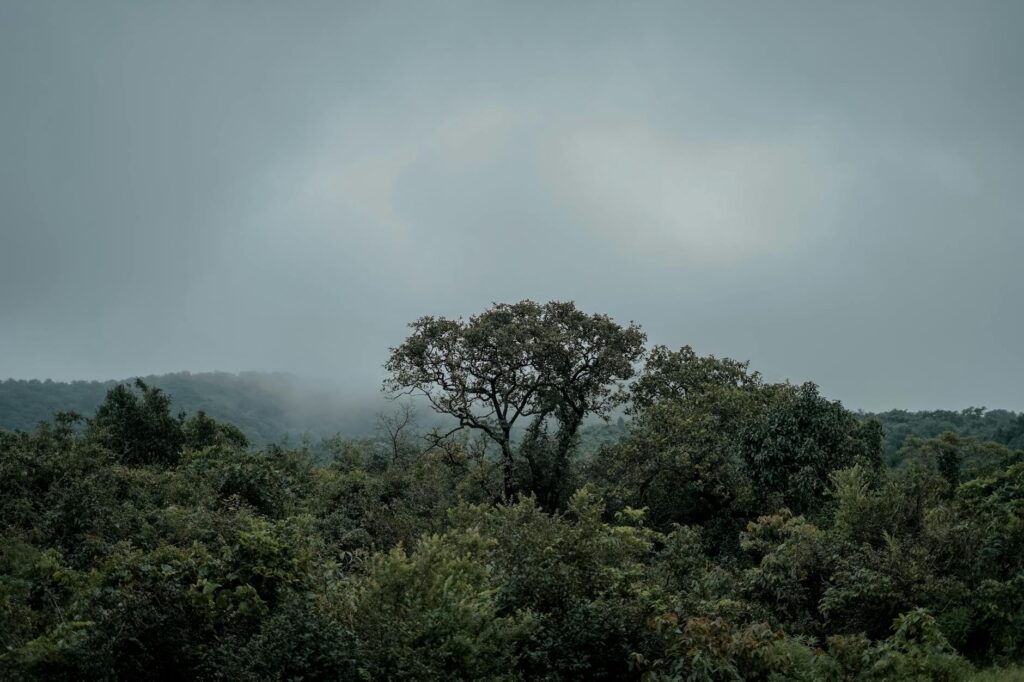
Every guide will tell you August to October. That is correct but incomplete. Here is the more useful breakdown.
| Month | What You Will Actually See |
|---|---|
| June-July | Plateau is closed or restricted. Monsoon is active, very little blooming. Heavy rain, slippery paths. Do not plan your visit for this period. |
| Early August | First blooms appear — mainly white and yellow species. Plateau opens officially around August 24. Weekends book up immediately. Come on a weekday if possible. |
| Mid-Aug to early Sep | Good bloom, fewer crowds than September peak. Carpets of Eriocaulon (white puffball flowers) begin covering the plateau. Kandilpushpa (Ceropegia) and Sonki also appear. Beautiful and less chaotic. |
| September (peak) | The single best month. Multiple species in simultaneous bloom — purples, pinks, yellows, whites. Topli Karvi, Pogostemon, Smithia and Eriocaulon all visible together. This is the month the plateau earns its reputation. Book 3-4 weeks in advance for weekends. |
| Early October | Late-season bloom. Some species fading but Smithia still visible. Crowds thin out and the weather is drier. The drive from Satara is especially scenic as the mist clears. Underrated timing. |
| Mid-Oct onwards | Season ends. Most flowers gone. Plateau officially closes for the year. |
My recommendation: if you can only go once and you want the full experience, aim for the third week of September. The plateau is at its most diverse, the monsoon is easing slightly, and you have the best chance of a partly clear morning. Book your tickets the moment the official portal opens — typically late August — and choose a morning slot on a Tuesday, Wednesday or Thursday if your schedule allows. Weekends in September are genuinely overcrowded.
Kaas Pathar Ticket Booking
| BOOKING IS MANDATORY — Do Not Show Up Without a Ticket Online booking through the official Kas Plateau Committee website (kas.ind.in) is compulsory on weekends and public holidays. On weekdays, counter tickets are available but the 3,000 daily visitor cap means they run out. Book online regardless of your visit day. Tickets are non-transferable and checked against your ID at the gate. No printed ticket needed — bring the booking confirmation on your phone. |
|---|
The booking system exists because of what happened without it. Before the online system, weekends in September saw 10,000-20,000 people attempting to access a plateau with a 3,000-person daily limit. People stood on flowers, paths became dangerous, and the ecology was visibly damaged. The system works — it is just unforgiving if you do not plan ahead.
| Booking Details | 2025 Information |
|---|---|
| Official Booking Site | kas.ind.in (the Forest Management Committee site — not third-party aggregators) |
| Entry Fee — Indian Adults | Rs 100 per person |
| Entry Fee — Foreign Tourists | Rs 500 per person |
| Entry Fee — Children Under 12 | Free |
| Local Guide | Rs 100 per hour for a group of up to 10. Worth every rupee — guides identify rare species most visitors walk past. |
| Time Slots | 7:00-11:00 AM | 11:00 AM-3:00 PM | 3:00-6:00 PM. Morning slot is best for light, temperature and fewer crowds. |
| Season Dates (Typical) | Late August to mid-October, depending on monsoon. Check kas.ind.in for 2025 season announcement. |
| ID Proof Required | Yes — Aadhar, PAN, passport or driving licence. Must match the name on the booking. |
| Payment Modes | UPI, credit card, debit card, net banking — all accepted on the portal. |
| Changing Rooms / Restrooms | Available at the base parking area. None on the plateau itself — plan accordingly. |
How to Book Kaas Plateau Tickets Online: Step by Step
- Visit kas.ind.in — the official Kaas Plateau Committee booking portal.
- Click on ‘Book Tickets’ or ‘Visitor Entry’.
- Select your preferred date and time slot (morning slot 7-11 AM strongly recommended).
- Enter personal details and number of tickets.
- Pay via UPI, debit/credit card or net banking.
- You will receive an e-ticket via SMS or email. Save it on your phone.
- Carry a valid photo ID matching your booking name — checked at the gate.
How to Reach Kaas Pathar: From Mumbai, Pune and Satara
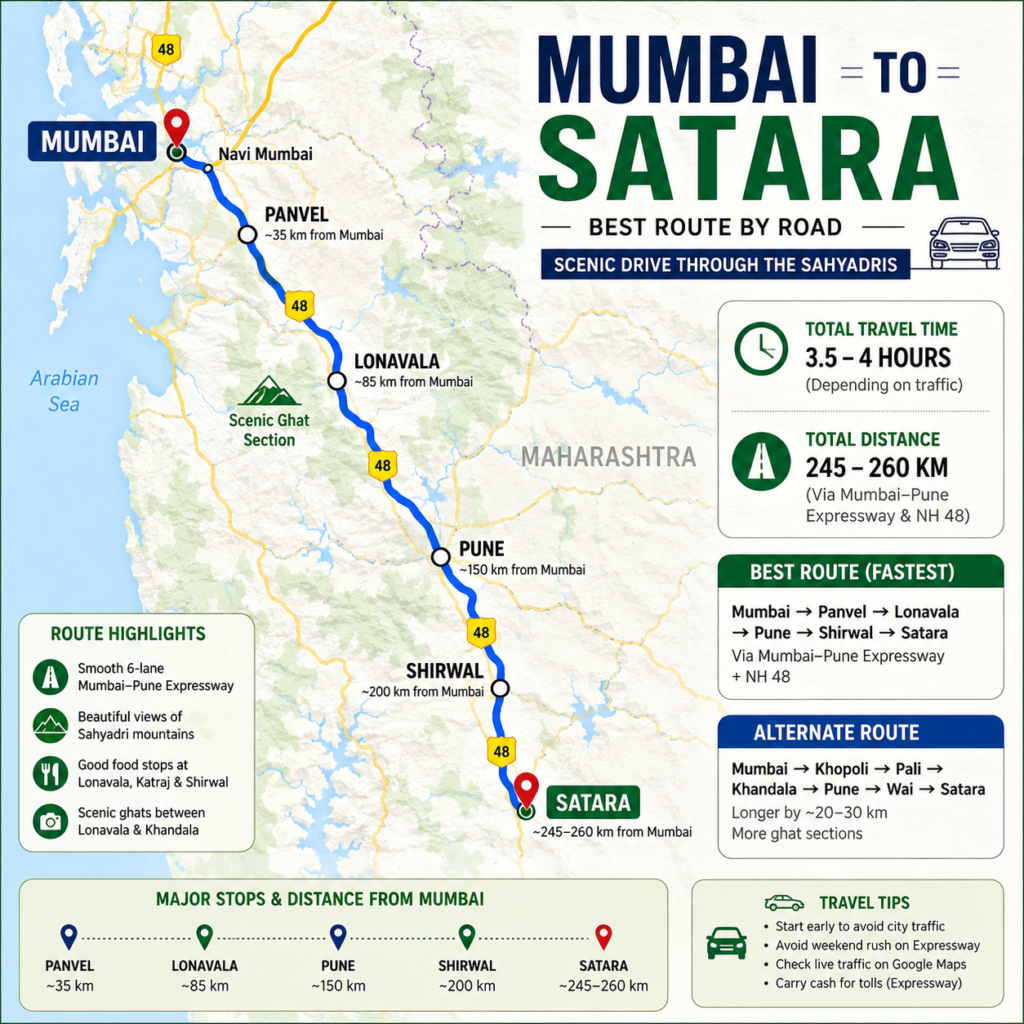
From Mumbai — By Road (Recommended)
Take NH-48 (Mumbai-Bengaluru Highway) to Satara — approximately 280 km, 5.5 to 6 hours depending on traffic. From Satara, Kaas is 25 km west on a scenic uphill road. The road is narrow in sections and gets slippery in monsoon — drive carefully and add 45 minutes to your estimate. Total parking is at the base; a free bus ferries visitors the final stretch to the plateau entrance.
From Mumbai — By Train + Cab
Take the Koyna Express or another Satara-bound train from CST. Journey time approximately 4 hours. From Satara railway station, hire a cab or auto to Kaas Pathar — approximately 25-30 km, 45 minutes. This is the more relaxed option and avoids the driving fatigue of a 6-hour road trip.
From Pune — By Road
Pune to Kaas Plateau is approximately 125-140 km via NH-48, taking 3 to 3.5 hours. This is the shortest journey of the major departure cities and makes Kaas very manageable as a day trip from Pune — leave by 6 AM, arrive for the morning slot, return by evening. Kaas Pathar is one of the most popular weekend trips from Pune in monsoon season.
From Pune — By Bus
Maharashtra State Transport (MSRTC) buses run regularly from Pune to Satara. From Satara bus stand, take a bus towards Bamnoli village — it stops at Kaas Pathar. The journey from Satara bus stand takes approximately 45-60 minutes. Ask the conductor specifically for the Kaas Pathar stop.
By Air — Nearest Airport
Pune International Airport is the nearest airport, approximately 140 km from Kaas Plateau (roughly 3 hours by road). From Pune airport, hire a cab directly to Satara and onwards to the plateau. There is no airport in Satara city.
From Satara City
Satara is the base for most visitors. The plateau is 25 km from Satara city centre. Cab or auto from Satara railway or bus station costs Rs 400-700 return. Shared jeeps run during peak season from Satara bus stand — cheaper but less convenient for timing. There is also an alternate route from Tapola via the link road connecting Mahabaleshwar and Panchgani to Kas Pathar.
What to Expect on the Plateau:
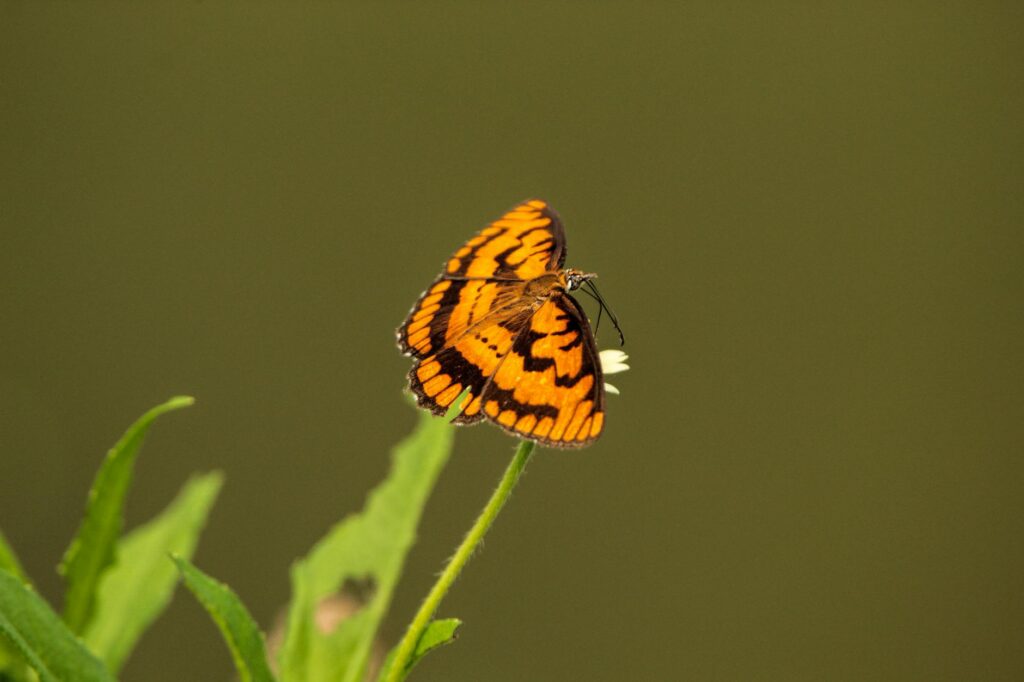
The plateau is managed — meaning there are marked paths, zones, and guards whose job is to prevent people from stepping on the flowers. This is not wilderness wandering. You follow a route, you stay on the path, you do not pick flowers, you do not sit on the ground cover. The rules exist because the soil layer on this plateau is less than 25mm deep in most places. One misstep from 3,000 daily visitors, replicated across a season, is enough to damage something that took thousands of years to evolve.
A Traveller’s View
Inside those constraints, it is extraordinary. The path takes you through a landscape that changes visibly every hundred metres — from an open grassland dotted with white puffball Eriocaulon flowers, to a patch of deep purple Pogostemon, to a section of yellow and pink so concentrated the ground looks painted. The Kumudini Lake (Kaas Lake) is right there — a shallow, flower-fringed water body that supports its own set of aquatic species. The Vajrai Waterfall viewpoint is within reach.
A local guide will be helpful
Hire a guide. I cannot emphasise this enough. The entry fee is Rs 100 per hour for a group of ten — that is Rs 10 per person. What the guide gives you for that Rs 10 is a completely different experience. Without a guide, most visitors walk past extraordinary things without recognising them. With a guide, you learn that the carnivorous plant you nearly stepped on is Drosera Indica — a sundew that traps insects in the sticky glands on its leaves. You learn that the small white flowers with a specific geometric pattern are Smithia hirsuta. You leave knowing what you saw.
Budget 2-3 hours minimum on the plateau. The morning slot (opening at 7-8 AM) gives you the best light for photography, the coolest temperatures, and the fewest people. By mid-morning on a September weekend the path becomes genuinely crowded. Come early.
What Flowers to Look For at Kaas Plateau
| Flower / Plant | When / What to Know |
|---|---|
| Eriocaulon spp. (Pipeworts) | August-September. The iconic white puffball flowers that carpet entire sections of the plateau. Among the most photographed at Kaas. |
| Smithia hirsuta | September-October. Tiny yellow-pink flowers that blanket large areas. Peak late season. |
| Pogostemon deccanensis | August-September. Purple-violet flowering shrub, intensely coloured. Also called Jambhli Manjiri in Marathi. |
| Sonki (Senecio grahami) | August-September. Bright yellow daisy-like flowers, one of the most visible species on the plateau. |
| Kandilpushpa (Ceropegia vincifolia) | August-September. Distinctive lantern-shaped flowers. A unique endemic species. |
| Topli Karvi | September. Smaller cousin of Karvi, basket-shaped purple flowers. Much easier to spot than the main Karvi. |
| Impatiens oppositifolia | August-September. Pale pink to white. Found near water-logged sections. |
| Utricularia spp. (Bladderworts) | August-September. Purple carnivorous plant. Found in wet, puddle areas. Easy to miss if you do not know to look. |
| Drosera Indica (Sundew) | August-October. Carnivorous plant — sticky red glands trap insects. Looks like a tiny red star in the grass. |
| Karvy (Strobilanthes callosa) | Blooms once every 8 years in a mass purple flowering. If your visit coincides with a Karvi year, the whole ridge goes violet. |
| Aponogeton satarensis (Waytura Flower) | Found only at Kaas — nowhere else on earth. Critically endangered. A guide will show you where to look. |
| Rare Orchids | Several orchid species bloom here during monsoon. Guides can identify these — most visitors walk past them entirely. |
Beyond the Plateau: Nearby Places to Include
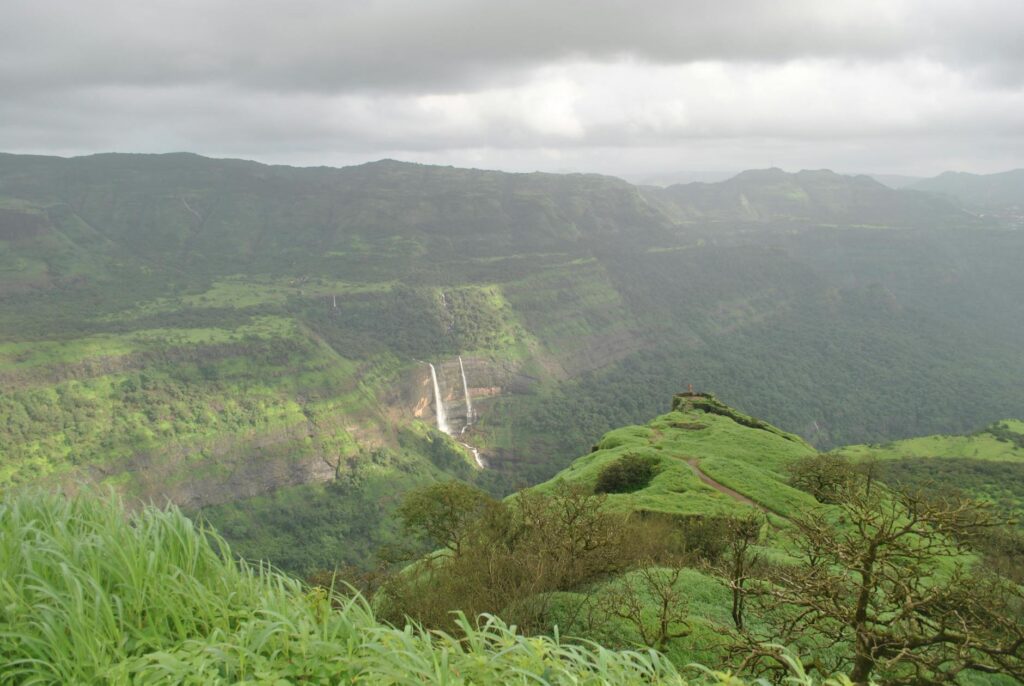
Most people drive six hours to reach Kaas and spend two hours on the plateau. That is not enough use of the journey. The Satara district is beautiful and there are several things within easy reach of the plateau.
Vajrai Waterfall (Bhambavli Vajrai)
The tallest waterfall in India at 853 feet — three-tiered, monsoon-fed, and about 4 km from the plateau. It is not crowded the way the plateau is. The road is rough but manageable in a regular car. Combine with the plateau in the same day — visit Kaas first (morning slot), then drive to Vajrai in the afternoon when the light hits it differently.
Thoseghar Waterfalls
About 20 km from Satara, Thoseghar is a series of falls with one cascade dropping 200 metres. More accessible and family-friendly than Vajrai. Worth including if you have a second day in the area.
Kumudini Lake (Kaas Lake)
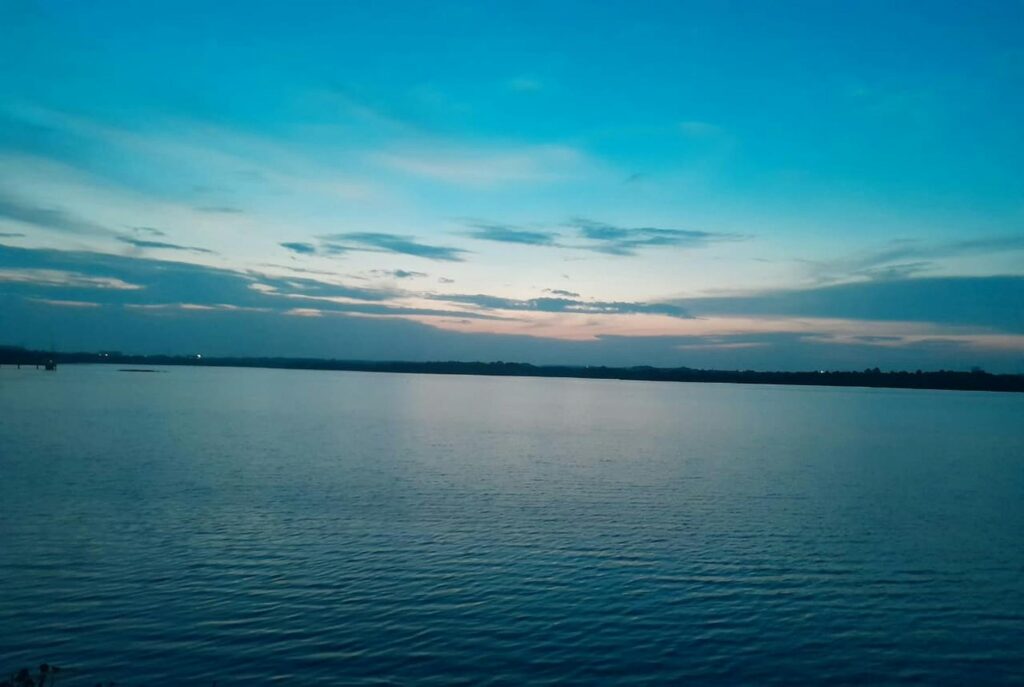
Right next to the plateau entrance. A shallow lake naturally fringed with lotus flowers and aquatic wildflowers in season. Sunrise and sunset views are exceptional — this is the spot photographers head to before the plateau gates open. Bamnoli Lake, further south on the Shivsagar (Koyna reservoir) backwaters, is also worth the detour if you are staying overnight.
Chalkewadi Windmill Farm
About 30 minutes from Kaas, Chalkewadi has one of the largest windmill farms in India. The sight of giant turbines against a monsoon green hillside and low cloud is genuinely striking. Worth the detour if you have time.
Sajjangad Fort
The samadhi (final resting place) of Sant Ramdas, spiritual guru of Chhatrapati Shivaji Maharaj. About 30 km from Satara. Historically and spiritually significant. A calm place to end a trip that has been full of nature and crowds.
Tapola — Mini Kashmir of Maharashtra
About 1.5 hours from Kaas, Tapola sits on the banks of the Shivsagar Lake (Koyna reservoir backwaters) and is known for boat rides and the Vasota Fort trek. If you are staying overnight in the Satara region, adding Tapola as a second-day trip is worth it. The alternate route to Kaas Pathar passes through here.
Bhambavli Flower Plateau
A smaller, less crowded alternative to Kaas, located about 3 km away. If Kaas is sold out on your preferred date, Bhambavli is worth checking — it has similar wildflower diversity but without the visitor management system and crowds.
Practical Information:
| Category | Details |
|---|---|
| Stay | No hotels on the plateau. Nearest accommodation: Satara city (25 km) — range of options from budget guesthouses to decent hotels. Homestays available in villages 5-10 km from plateau during peak season. |
| Food | No food stalls on the plateau. Carry your own snacks and water. Small dhabas near the parking area at the base sell chai, vada pav and simple meals. Satara city has good Kolhapuri food. |
| What to Carry | Water (no refill points on plateau), comfortable waterproof walking shoes with grip, rain poncho or jacket, hat and sunscreen for dry days, insect repellent, camera/phone fully charged. |
| Photography Tips | Mobile phones and cameras allowed. No tripods on the marked paths. The early morning light (7-9 AM) is best for close-up flower photography. Macro lens attachment for phone cameras makes a significant difference. Carry extra batteries or power bank. |
| Birdwatching | 200+ bird species recorded at Kaas. Carry binoculars. Morning slot is best. A guide can point out species you would otherwise miss alongside the flora. |
| Mobile Signal | Patchy to absent on the plateau. Download the route map and offline maps before leaving Satara. Tell someone where you are going. |
| Restrooms / Changing | Restrooms and changing rooms available at the base parking area. None on the plateau itself — plan before entering. |
| Eco Rules | No plastic bags, no plucking flowers, no stepping off marked paths, no food on the plateau. These are enforced by guards. The rules are necessary and they are followed seriously. |
| Wheelchair / Accessibility | Limited. The paths are uneven and the terrain is rough. Not accessible for wheelchairs or for people with significant mobility restrictions. |
The Plateau in Perspective:
I have a habit — probably a bad one — of photographing places before I have actually looked at them. The camera goes up, the settings get adjusted, the angle gets considered. It is a way of processing through a lens before processing through the eyes and the body and whatever the right word is for the part of you that simply receives something.
Kaas broke the habit. Not because I decided to be present and mindful — I resist that kind of travel writing. But because the plateau is genuinely too much for a single frame. You point the camera at a patch of purple Pogostemon and in the viewfinder it looks like a field. Then you lower the camera and realise there are three other species in the same square metre, and a butterfly you had not noticed, and a guide twenty feet away crouching to show a child a carnivorous plant the size of a ten-rupee coin.
What Kaas Taught Me About Paying Attention
Maharashtra has 850 species of flowering plant growing in one place that is roughly the size of a large town market. A UNESCO committee flew in scientists, assessed the evidence and concluded that this plateau represents outstanding universal value to humanity. The monsoon does not know or care about any of that. It just arrives every year, fills the thin volcanic soil, and the flowers come up as they have for thousands of years.
Go in September. Book your ticket now. Hire a guide. Arrive early. And at some point, put the phone in your pocket and just look.

| Kaas Plateau does not need your attention to be extraordinary. But it rewards your attention more than almost any other place I have been. The plateau is 10 square kilometres of quiet proof that the natural world is doing fine without us — and considerably more interesting. — Shivi Goyal, Author |
|---|
Frequently Asked Questions: Kaas Pathar
What is the best time to visit Kaas Pathar?
The best time to visit Kaas Pathar is September — specifically the second and third week of September, when the maximum number of species are in simultaneous bloom. The season runs from approximately late August to mid-October, depending on the monsoon. Early August has fewer flowers but fewer crowds; early October has late-season species and the thinnest crowds. If you can only visit once, September is the answer.
Is online booking mandatory for Kaas Plateau?
Yes — online booking is mandatory on weekends and public holidays, and strongly recommended on weekdays. The daily visitor limit is 3,000 people. Book through the official Kas Plateau Committee website at kas.ind.in. Tickets are non-transferable, checked against photo ID at the gate, and the 2025 entry fee is Rs 100 per Indian adult. Do not buy from third-party resellers.
How far is Kaas Pathar from Mumbai and Pune?
Kaas Pathar is approximately 280 km from Mumbai — about 5.5 to 6 hours by road via NH-48. From Pune it is approximately 125-140 km, taking 3 to 3.5 hours. The nearest city is Satara, which is 25 km from the plateau — about 45 minutes by road. The nearest airport is Pune International Airport, approximately 140 km from the plateau.
Is Kaas Plateau a UNESCO World Heritage Site?
Yes. Kaas Plateau became a part of the UNESCO World Natural Heritage Site in 2012, as part of the Sahyadri Sub-cluster of the Western Ghats. The Western Ghats as a whole were recognised for their extraordinary biodiversity — Kaas was included specifically for its unique flowering ecosystem, endemic species and its representation of the threatened rocky plateau habitat type.
What flowers bloom at Kaas Plateau?
Over 850 species bloom at Kaas across the season, including Eriocaulon (white puffball pipeworts), Pogostemon deccanensis (purple), Smithia hirsuta (yellow-pink), Sonki (yellow daisy-like), Kandilpushpa (lantern-shaped endemic), Topli Karvi (basket-shaped purple), Impatiens oppositifolia, carnivorous Utricularia and Drosera, and the critically endangered Aponogeton satarensis (Waytura Flower) found nowhere else on earth. The Karvi shrub produces a mass purple bloom once every eight years.
Is Kaas Pathar worth visiting?
Absolutely. Kaas Plateau is one of the most unique natural destinations in India — a UNESCO World Heritage Site with over 850 flowering species, 39 of which exist nowhere else on earth. The experience of walking through a carpet of wildflowers in the Sahyadri mountains is unlike anything else in Maharashtra or, in many ways, anywhere in India. The key is timing (September), advance booking and hiring a guide.
What are the best places to visit near Kaas Plateau?
The most worthwhile nearby destinations are Vajrai Waterfall (Bhambavli Vajrai — tallest waterfall in India at 853 feet, about 4 km away), Thoseghar Waterfalls (20 km from Satara), Kumudini Lake/Kaas Lake (right next to the plateau entrance), Chalkewadi Windmill Farm (30 minutes away), Sajjangad Fort (historically significant, about 30 km from Satara), Bhambavli Flower Plateau (3 km away, less crowded alternative) and Tapola — known as the Mini Kashmir of Maharashtra.
Can I visit Kaas Pathar on a day trip from Pune?
Yes — Kaas Pathar is one of the best day trips from Pune during monsoon season. The distance is approximately 125-140 km (3 to 3.5 hours by road). Leave Pune by 6 AM, catch the morning slot at Kaas, and return by evening. If you have time, combine with a stop at Vajrai Waterfall on the way back.
Useful Resources:
Also read on Spirited Blogger: